


 0086-15925850312



High-Precision Machining for Agricultural Machinery
2025-05-22
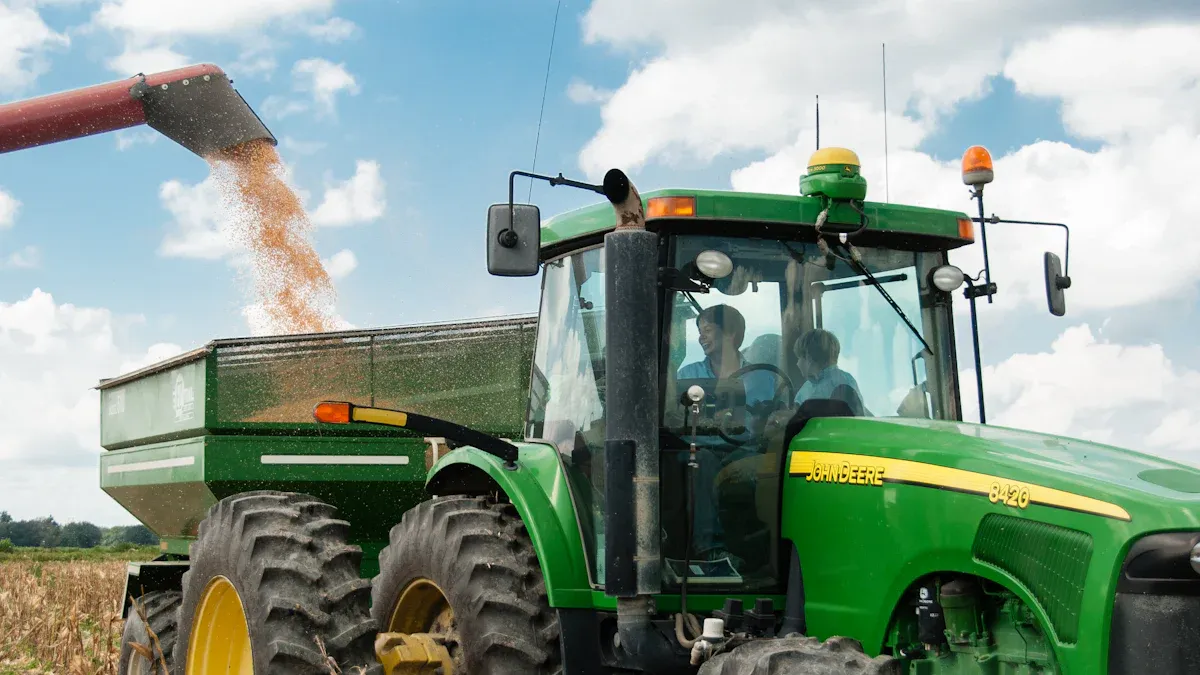
Modern agriculture demands equipment that performs flawlessly under tough conditions. High-precision machining ensures agricultural machinery operates efficiently and reliably. You benefit from components that fit perfectly, work smoothly, and last longer. This technology addresses challenges like wear and tear, helping you meet the growing need for sustainable and productive farming.
Key Takeaways
- Precise machining makes farm machine parts last longer by reducing damage.
- Using well-made parts improves how machines work and saves fuel.
- Picking strong materials and special coatings lowers repairs and stops, saving money over time.
Benefits of High-Precision Machining
Enhanced Durability and Longevity of Components
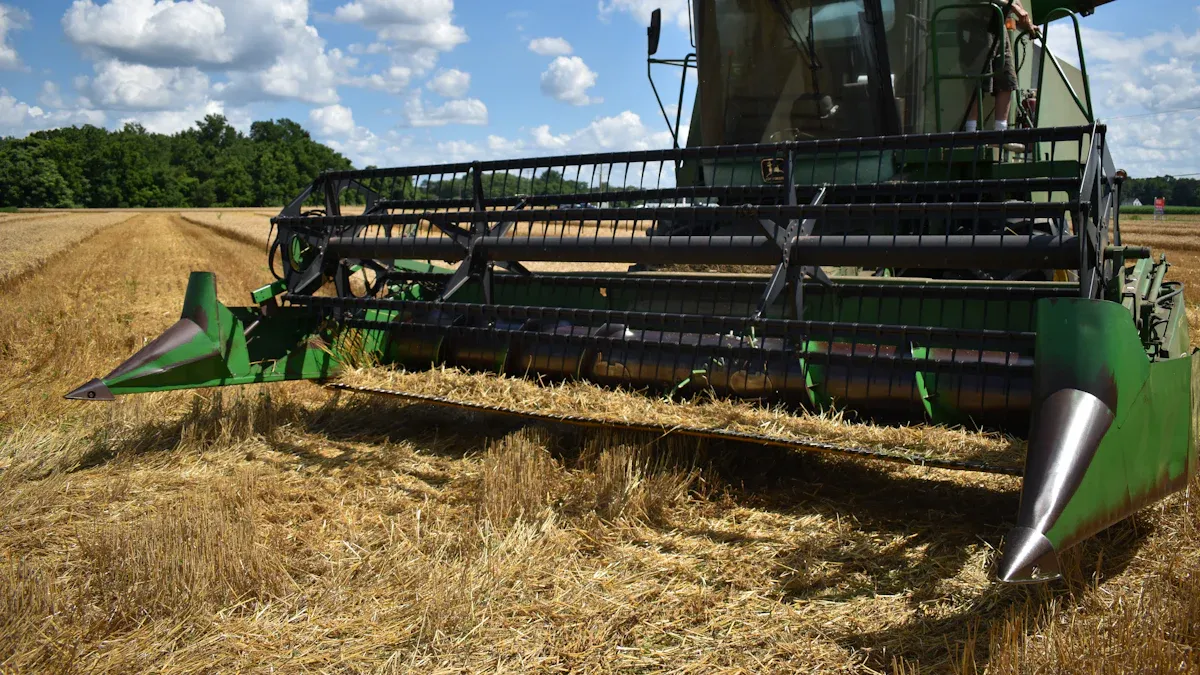
When you invest in agricultural machinery, you expect it to last. High-Precision Machining ensures that every component is manufactured with exact measurements. This precision reduces the risk of wear and tear, even under heavy use. For example, gears and bearings made with this technology fit perfectly, minimizing friction and extending their lifespan.
Durable components mean fewer replacements. You can rely on your equipment to perform consistently, even in challenging conditions like extreme weather or rough terrain. This durability not only saves you money but also ensures your machinery remains operational when you need it most.
Improved Efficiency and Performance of Machinery
Efficiency is key in modern agriculture. High-Precision Machining plays a vital role in optimizing the performance of your equipment. Precisely machined parts ensure smooth operation, reducing energy loss and improving overall productivity. For instance, a well-machined engine part can enhance fuel efficiency, allowing you to get more work done with less fuel.
You’ll notice the difference in how your machinery operates. Equipment runs more smoothly, with fewer interruptions or breakdowns. This improved performance translates to better results in the field, whether you’re planting, harvesting, or performing other tasks.
Cost Savings Through Reduced Maintenance and Downtime
Frequent repairs and downtime can disrupt your farming schedule and increase costs. High-Precision Machining helps you avoid these issues. Components manufactured with precision are less likely to fail, reducing the need for constant maintenance.
Imagine a tractor that rarely breaks down because its parts are perfectly aligned and built to last. You save money on repairs and avoid the frustration of unexpected delays. Over time, these savings add up, making high-precision components a smart investment for any farmer.
Tip: Regular maintenance is still essential, even for precision-machined equipment. Following the manufacturer’s guidelines will help you maximize the benefits of these advanced components.
Technologies and Materials in High-Precision Machining
CNC Machining Techniques for Agricultural Components
CNC (Computer Numerical Control) machining has revolutionized how agricultural machinery components are manufactured. This technology uses computer-controlled tools to create parts with extreme accuracy. You can rely on CNC machining to produce gears, shafts, and other critical components that fit perfectly into your equipment.
One of the key advantages of CNC machining is its ability to handle complex designs. Whether you need intricate patterns or precise cuts, CNC machines deliver consistent results every time. This precision ensures that your machinery operates smoothly, reducing wear and tear on moving parts.
CNC machining also allows for rapid production. Once the design is programmed, the machine can produce multiple identical parts in a short time. This efficiency makes it easier for manufacturers to meet the growing demand for high-quality agricultural equipment.
Did You Know? CNC machines can work with a wide range of materials, from metals like steel and aluminum to advanced composites. This versatility makes them ideal for creating durable and reliable agricultural components.
High-Quality Materials Used in Precision Manufacturing
The choice of materials plays a crucial role in the performance and durability of agricultural machinery. High-precision machining often uses materials that can withstand harsh conditions, such as extreme temperatures, heavy loads, and constant exposure to dirt and moisture.
Steel is one of the most commonly used materials due to its strength and resistance to wear. Aluminum is another popular choice, especially for components that need to be lightweight yet strong. For parts exposed to corrosive environments, stainless steel and titanium offer excellent resistance to rust and chemical damage.
In recent years, advanced composites and alloys have gained popularity. These materials combine the best properties of metals and non-metals, providing superior strength, flexibility, and resistance to wear. By using high-quality materials, you ensure that your machinery performs reliably and lasts longer, even under tough conditions.
Surface Treatments and Coatings for Wear Resistance
Even the best materials can wear out over time, especially in demanding agricultural environments. Surface treatments and coatings add an extra layer of protection to your machinery components. These processes enhance the durability and performance of parts, ensuring they can handle heavy use without breaking down.
Common surface treatments include heat treatment, which hardens the material, and anodizing, which improves corrosion resistance. Coatings like ceramic or Teflon reduce friction, making moving parts operate more smoothly. You’ll find these treatments especially useful for components like bearings, gears, and cutting tools.
Another innovative option is plasma nitriding, a process that creates a hard, wear-resistant surface without compromising the core strength of the material. By investing in components with advanced surface treatments, you reduce maintenance needs and extend the lifespan of your equipment.
Pro Tip: When selecting machinery, ask the manufacturer about the surface treatments and coatings used on critical components. This information can help you make an informed decision and ensure long-term reliability.
Innovations Driving High-Precision Machining in Agriculture
Automation and Robotics in Precision Manufacturing
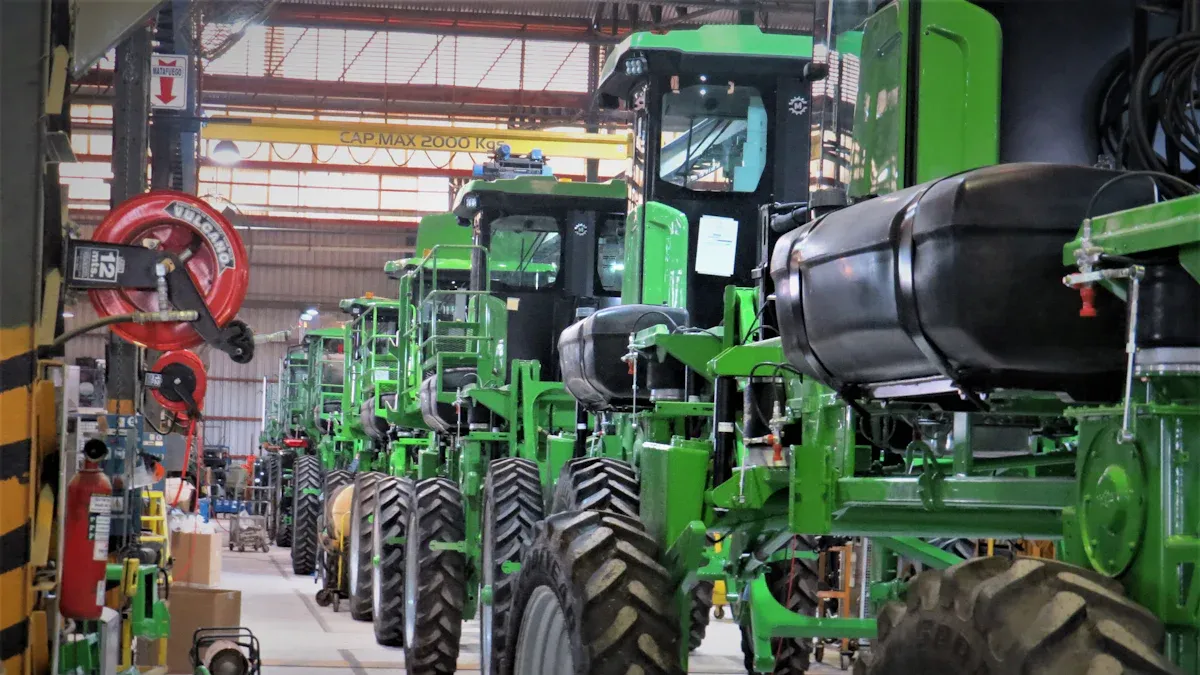
Automation and robotics have transformed how you manufacture agricultural machinery. These technologies allow machines to perform repetitive tasks with unmatched accuracy. Robots equipped with sensors and advanced software can assemble components, inspect parts, and even handle delicate materials. This level of precision ensures that every part meets exact specifications.
You benefit from faster production times and consistent quality. Automated systems reduce human error, which means fewer defective parts. For example, robotic arms in High-Precision Machining can create intricate designs that would be difficult for manual processes to achieve. This innovation not only improves efficiency but also ensures your machinery operates at peak performance.
Intelligent Design and Customization for Specific Needs
Modern farming requires equipment tailored to your unique needs. Intelligent design and customization make this possible. Manufacturers use advanced software to create 3D models of components before production begins. This approach allows you to visualize and adjust designs to fit your specific requirements.
Customized parts ensure your machinery performs optimally in your environment. For instance, if you operate in rocky soil, you can request reinforced components to handle the extra stress. High-Precision Machining makes it easier to produce these specialized parts with exact measurements, ensuring a perfect fit and reliable performance.
Sustainability and Eco-Friendly Practices in Machining
Sustainability is becoming a priority in agriculture and manufacturing. High-Precision Machining supports eco-friendly practices by reducing material waste. Advanced machines cut parts with minimal scrap, conserving valuable resources.
Energy-efficient equipment also plays a role. Many modern machining tools consume less power, lowering your carbon footprint. Additionally, manufacturers are exploring biodegradable materials and recyclable metals to create components. By choosing precision-machined parts, you contribute to a more sustainable future while maintaining the reliability of your machinery.
High-precision machining plays a vital role in ensuring your agricultural machinery performs reliably and efficiently. Innovations like automation and intelligent design improve durability and reduce downtime. When choosing a manufacturer, prioritize those with proven expertise and advanced technologies. Ask about materials, surface treatments, and customization options to ensure your equipment meets your needs.