


 0086-15925850312



Precision Casting & Forging for Auto Parts
2025-05-22
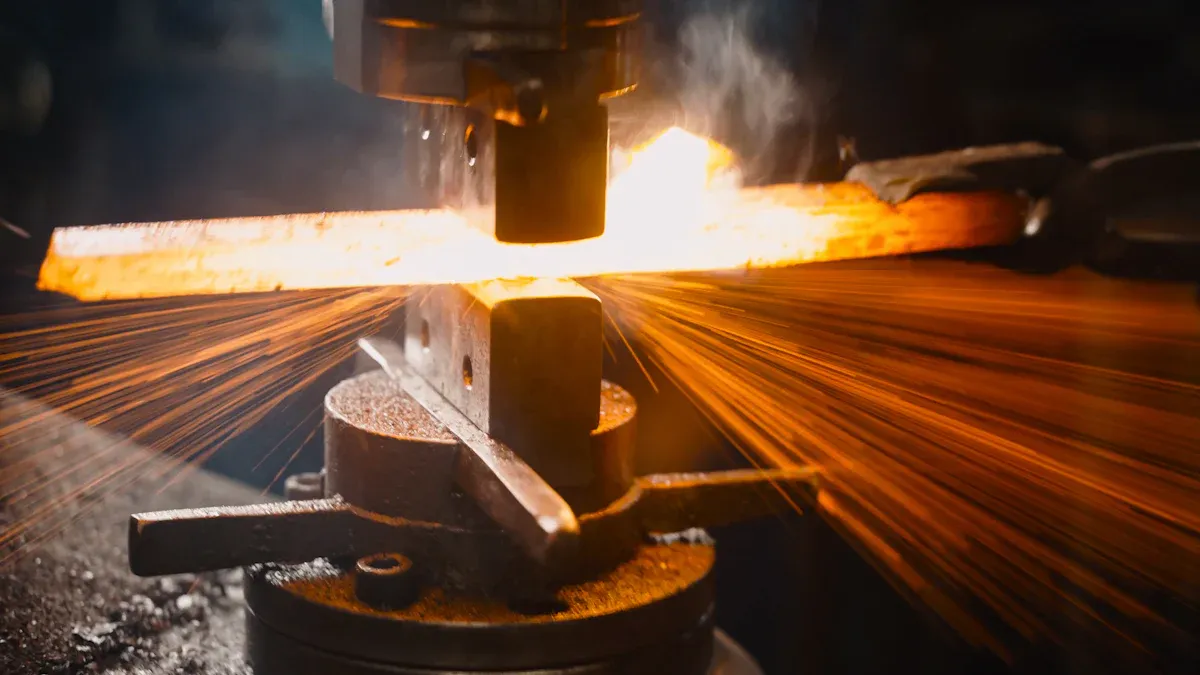
Precision casting and forging are essential techniques in modern manufacturing. Precision casting involves pouring molten metal into molds to create intricate shapes. Forging shapes metal through compression under high pressure. These processes ensure auto parts meet strict quality standards. You rely on them for durable, high-performance components in vehicles, ensuring safety and efficiency.
Key Takeaways
- Precision casting creates detailed shapes with great accuracy. It works well for tricky auto parts like turbine blades and engine pieces.
- Forging makes tough and strong parts. It is great for hard-working parts like crankshafts and axles, giving them strength and dependability.
- Picking precision casting or forging depends on what the part needs. This includes how detailed it is, how strong it must be, and its cost.
Precision Casting
Process Overview
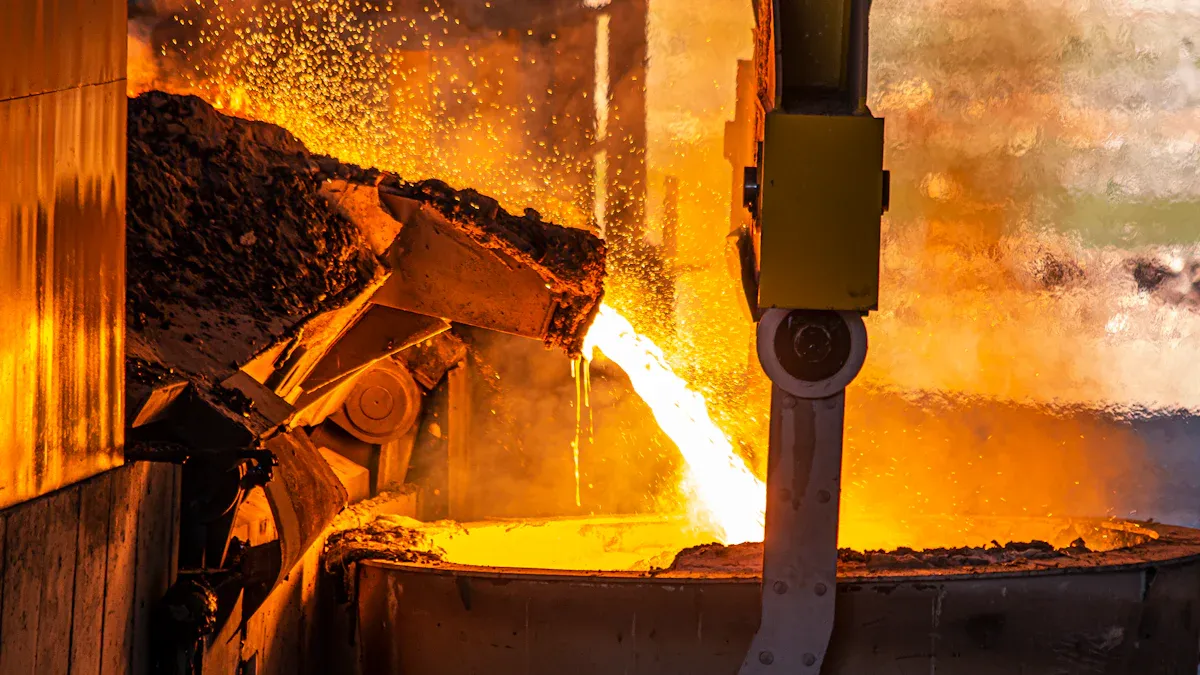
Precision casting, also known as investment casting, involves creating detailed metal parts by pouring molten metal into a mold. The process begins with a wax model of the desired part. You coat this model with ceramic material to form a mold. Once the ceramic hardens, the wax is melted and drained, leaving a hollow cavity. Molten metal is then poured into this cavity. After cooling, the ceramic shell is broken away, revealing the final product. This method allows you to achieve intricate designs with high accuracy.
Materials Used
You can use a variety of metals and alloys in precision casting. Common materials include stainless steel, aluminum, and titanium. Each material offers unique properties. For example, stainless steel provides excellent corrosion resistance, while aluminum is lightweight and durable. Titanium is ideal for parts requiring high strength and low weight. The choice of material depends on the specific requirements of the auto part being manufactured.
Benefits for Auto Parts
Precision casting offers several advantages for auto parts. It allows you to create complex shapes that would be difficult with other methods. The process ensures excellent dimensional accuracy, reducing the need for additional machining. You also benefit from a smoother surface finish, which enhances the performance and appearance of the parts. Additionally, precision casting minimizes material waste, making it a cost-effective and environmentally friendly option.
Forging
Process Overview
Forging shapes metal by applying compressive forces. You start with a heated metal piece, which becomes malleable. Using a hammer, press, or die, you apply pressure to mold the metal into the desired shape. This process can be done hot or cold, depending on the material and the part's requirements. Hot forging involves heating the metal to high temperatures, making it easier to shape. Cold forging works at room temperature, producing parts with higher strength. Forging creates parts with excellent mechanical properties and consistent quality.
Materials Used
Forging uses metals and alloys that can withstand high pressure. Common materials include steel, aluminum, and copper. Steel is popular for its strength and durability, making it ideal for structural components. Aluminum is lightweight and corrosion-resistant, perfect for parts that need to reduce vehicle weight. Copper offers excellent conductivity, making it suitable for electrical components. You choose the material based on the specific needs of the auto part, ensuring optimal performance.
Benefits for Auto Parts
Forging offers several advantages for auto parts. It produces components with superior strength and toughness, ensuring they can handle high stress and impact. The process creates parts with a uniform grain structure, enhancing their durability. You benefit from reduced material waste, as forging uses nearly all the raw material. Additionally, forged parts have fewer defects, improving reliability. These qualities make forging a preferred method for manufacturing critical auto parts like gears, axles, and crankshafts.
Comparing Precision Casting and Forging
Cost and Efficiency
When comparing cost and efficiency, you will notice distinct differences between precision casting and forging. Precision casting often involves higher initial costs due to the creation of detailed molds and the use of specialized materials. However, it reduces material waste and minimizes the need for secondary machining. This makes it cost-effective for producing complex parts in large quantities.
Forging, on the other hand, typically has lower upfront costs. The process uses simpler tools and equipment, which reduces initial expenses. It also produces parts quickly, making it highly efficient for high-volume production. However, forging may require additional machining to achieve precise dimensions, which can increase overall costs.
If you prioritize efficiency and need parts with intricate designs, precision casting might be the better choice. For simpler, high-strength components, forging offers a more economical solution.
Strength and Durability
Strength and durability are critical factors in auto parts manufacturing. Forging excels in this area. The process aligns the metal's grain structure with the shape of the part, enhancing its mechanical properties. This results in components that can withstand high stress and impact, making them ideal for critical parts like crankshafts and axles.
Precision casting, while not as strong as forging, still produces durable parts. The process allows you to use high-performance alloys, which can provide excellent strength and resistance to wear. However, cast parts may not handle extreme stress as well as forged ones.
If your application demands maximum strength and toughness, forging is the superior option. For parts requiring moderate strength and intricate designs, precision casting is a reliable choice.
Precision and Complexity
Precision casting stands out when it comes to precision and complexity. The process allows you to create intricate shapes with tight tolerances. This makes it ideal for parts with complex geometries, such as turbine blades or engine components. The smooth surface finish achieved through precision casting also reduces the need for additional finishing work.
Forging, while less precise, produces parts with consistent quality and simpler shapes. It is better suited for components where strength is more important than intricate design. Achieving high precision in forging often requires additional machining, which can add to the production time and cost.
For highly detailed and complex parts, precision casting is the clear winner. If your focus is on strength and simplicity, forging is the better choice.
Applications in Auto Parts Manufacturing
Parts Made Using Precision Casting
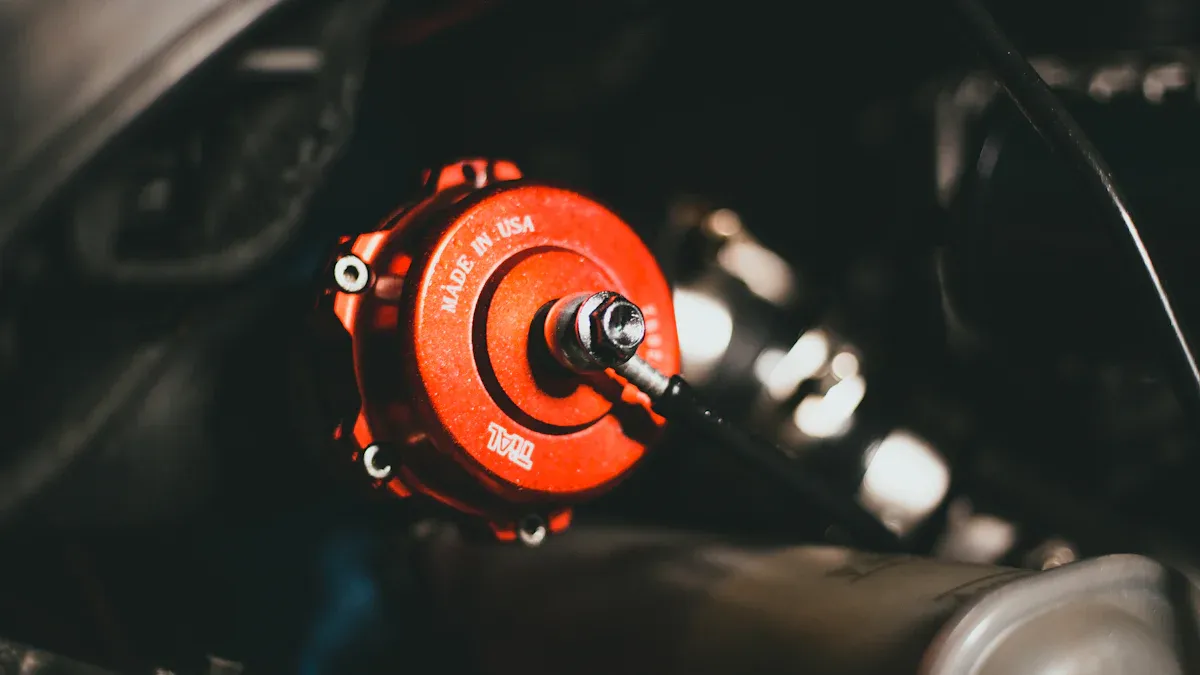
Precision casting plays a vital role in creating intricate auto parts. You can use this process to manufacture components that require high precision and complex geometries. Examples include:
- Turbine blades: These parts need detailed designs to ensure optimal engine performance.
- Engine components: Precision casting helps produce cylinder heads and intake manifolds with tight tolerances.
- Transmission parts: Gears and housings benefit from the smooth surface finish and dimensional accuracy of this method.
This process is ideal for parts where precision and complexity are critical. It allows you to achieve designs that would be challenging with other manufacturing techniques.
Parts Made Using Forging
Forging is the go-to method for producing strong and durable auto parts. You can rely on this process for components that must withstand high stress and impact. Common examples include:
- Crankshafts: These parts endure significant forces during engine operation. Forging ensures they remain strong and reliable.
- Axles: Forged axles provide the toughness needed to support heavy loads and resist wear.
- Connecting rods: These parts link the piston to the crankshaft and require exceptional strength.
Forging creates parts with a uniform grain structure, enhancing their mechanical properties. It is the preferred choice for critical components where strength matters most.
Choosing the Right Process for Specific Parts
Selecting the right manufacturing process depends on the part's requirements. If you need a component with intricate details and high precision, precision casting is the better option. For example, turbine blades and engine components benefit from this method's ability to create complex shapes.
On the other hand, if strength and durability are your priorities, forging is the ideal choice. Parts like crankshafts and axles perform better when forged due to their superior toughness.
You should also consider factors like cost, material properties, and production volume. Precision casting may involve higher initial costs but offers excellent accuracy for complex designs. Forging, while less precise, is more economical for producing simpler, high-strength parts. By understanding the specific needs of each part, you can choose the process that delivers the best results.
Precision casting and forging are vital for manufacturing durable and high-performance auto parts. Each process offers unique benefits. Casting excels in precision and complexity, while forging delivers unmatched strength.
Choosing the right method depends on your part’s design and performance needs. Understanding these processes helps you achieve optimal results for your manufacturing goals.