Top 10 Benefits of CNC Machining You Should Know?
CNC Machining is revolutionizing manufacturing. According to a report by Grand View Research, the global CNC machining market is expected to reach $100 billion by 2025. This growth highlights its significance across various industries, including aerospace, automotive, and medical devices.
The advantages of CNC machining are numerous. It offers precision, efficiency, and flexibility in producing complex parts. A survey by the National Institute of Standards and Technology indicates that companies utilizing CNC machining report an average productivity increase of 20%. This shows how crucial CNC technology is for staying competitive.
However, the journey to fully leverage CNC machining is not without challenges. Companies must invest in skilled labor and advanced technology. Understanding how to navigate these challenges can enhance CNC machining's benefits. Embracing this technology can lead to better outcomes in production quality and cost reduction.
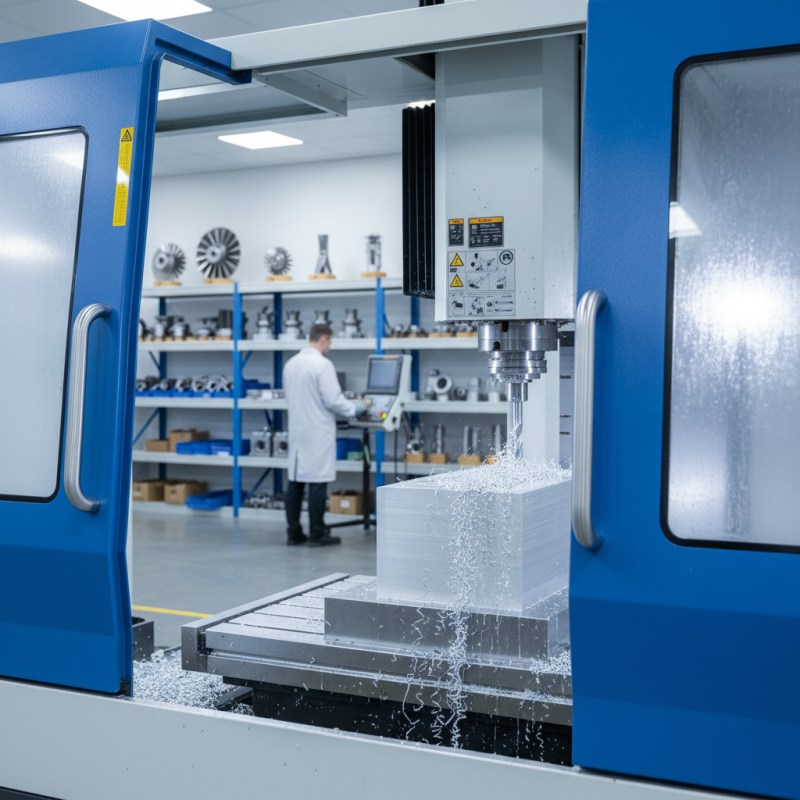
Top 10 Benefits of CNC Machining You Should Know
CNC machining offers numerous advantages that can significantly enhance manufacturing processes. One critical benefit is precision. Reports indicate that CNC machines can achieve tolerances of 0.005 inches or better. This level of accuracy is essential in industries like aerospace and medical devices, where errors can have serious consequences. The reliability of these machines ensures consistent quality across production runs.
Another notable benefit is efficiency. CNC machining reduces production time drastically. According to industry data, CNC machines can operate up to 24 hours a day with minimal downtime. This continual operation enhances productivity, allowing manufacturers to meet tight deadlines. However, initial setup and programming require skilled labor, which can be a challenge for some companies.
Tips: For those considering CNC machining, investing in training for your team can yield long-term benefits. Additionally, frequent maintenance of CNC equipment is critical. Neglecting regular checks can lead to costly breakdowns and production delays. Continuous evaluation of machining processes can also help identify areas for improvement, promoting a culture of excellence within your operation.
Top 10 Benefits of CNC Machining
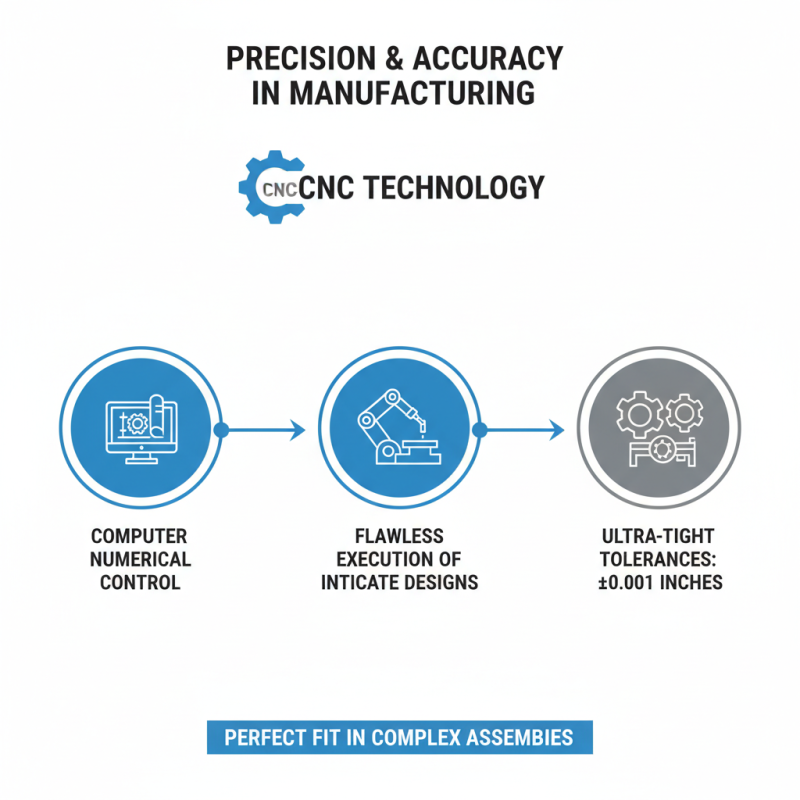
Precision and Accuracy in Manufacturing: The Role of CNC Technology
CNC technology significantly enhances precision and accuracy in manufacturing processes. With computer numerical control, machines operate at a level of detail that manual methods simply cannot match. This technology allows for intricate designs to be executed flawlessly. Parts produced can have tolerances as tight as ±0.001 inches, ensuring they fit perfectly in complex assemblies.
However, challenges remain. Not all designs are perfectly suited for CNC machining. Some intricate geometries may require adjustments to maintain structural integrity. Also, the initial setup costs can be high, especially for small production runs. Yet, for larger volumes, the benefits far outweigh these drawbacks. Efficiency improves as machines continue operating with minimal human intervention, allowing for faster turnarounds.
Moreover, CNC technology allows for rapid prototyping. Designs can be iterated quickly, leading to improved products over time. Feedback loops shorten and enhance reliability. While mistakes can arise during programming or setup, these issues serve as learning experiences. Adapting to CNC technology can revolutionize manufacturing, provided manufacturers remain aware of its limitations and continue to refine their skills.
Increased Production Speed and Efficiency in Modern Engineering
CNC machining has revolutionized modern engineering by significantly boosting production speed and efficiency. With the ability to automate complex processes, manufacturers can produce high-quality components with minimal human intervention. This precision reduces errors and ensures consistency across large production runs. When a company implements CNC machining, the setup time is drastically reduced. Parts that took hours to create are now produced in minutes.
Moreover, CNC machines operate with remarkable speed. They can run continuously, allowing for round-the-clock operations. This capability increases output without sacrificing quality. Engineers can fine-tune their designs in real time, making modifications on the fly. However, it's crucial to monitor these machines closely. Over-reliance on automation could lead to missed defects. It's essential to strike a balance between automation and human oversight.
There is also the challenge of initial investment in CNC technology. While the long-term benefits are clear, the upfront costs can be daunting for smaller firms. They must consider their resources wisely. Training staff to operate CNC machines efficiently is vital. Without proper training, achieving the desired efficiency may become a slower process, potentially wasting valuable time and resources.
Cost-Effectiveness: Reducing Waste and Operational Expenses in CNC
CNC machining is known for its cost-effectiveness, especially in reducing waste and operational expenses. Traditional manufacturing often involves excess materials and lengthy processes. CNC technology minimizes these issues significantly. It allows for precise cuts and accurate measurements, which leads to less material waste. This feature is crucial in industries where every unit counts.
In addition to reducing waste, CNC machining enhances operational efficiency. With automated systems, turnaround times decrease. Operators can focus on value-added tasks instead of repetitive work. The initial investment might seem high, but the long-term savings are substantial. This process not only saves money but also improves productivity. Companies often find it challenging to predict costs accurately. Adopting CNC machining makes budgeting simpler, as the processes are consistent and predictable.
However, there can be pitfalls. Over-reliance on automation may lead to skill degradation among operators. There’s also the chance of equipment malfunctions affecting production. While these drawbacks warrant attention, the benefits usually outweigh them. CNC machining stands out as a transformative force, guiding businesses towards greater efficiency and profitability.
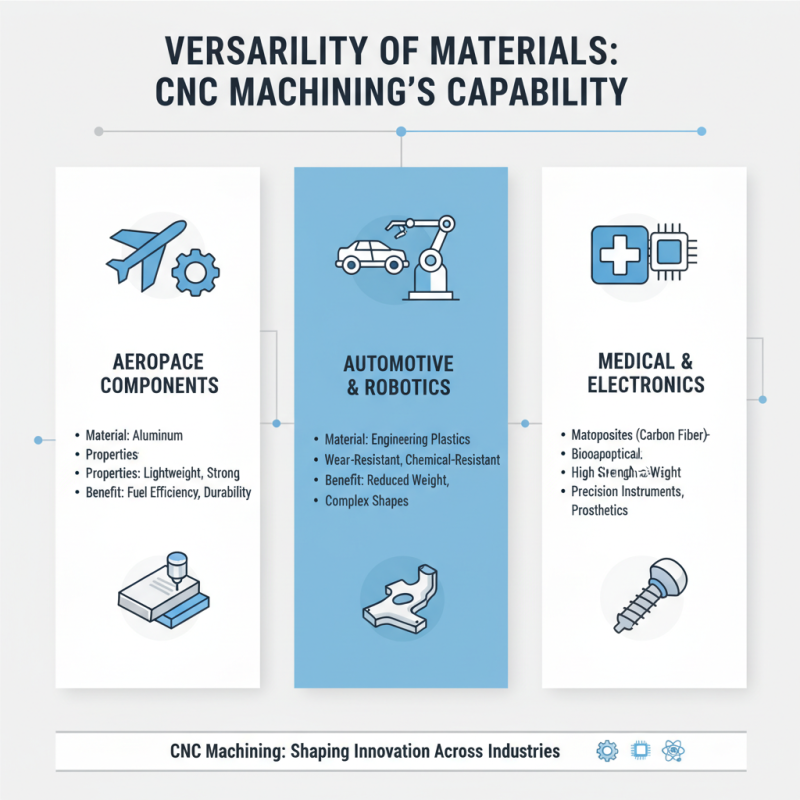
Versatility of Materials: CNC Machining's Capability Across Industries
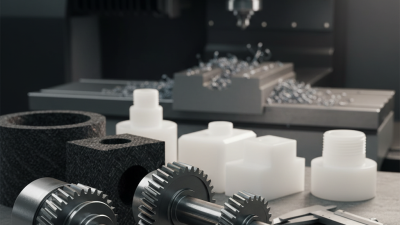
CNC machining is known for its versatility across various industries. It can process different materials, including metals, plastics, and composites. Each material offers unique properties that enhance the final product's performance. For instance, aluminum is lightweight yet strong, making it ideal for aerospace components.
The ability to switch between materials boosts manufacturing efficiency. CNC machines can handle various tasks, from automotive parts to medical devices. This flexibility reduces production time and lowers costs. However, not all materials are easy to work with. Some require specialized tools or processes, which can complicate the workflow.
Understanding the limitations of each material is crucial. For example, some plastics may deform under heat while harder metals can wear down tools quickly. These challenges highlight the need for experienced operators. Overall, the versatility of CNC machining is a valuable asset, but it demands knowledge and skill to achieve optimal results.
Conclusion
CNC machining has revolutionized the manufacturing landscape, offering a multitude of benefits that enhance precision and efficiency. One of the key advantages of CNC machining is its ability to deliver unparalleled accuracy, allowing manufacturers to produce complex parts with exact specifications. This technology significantly increases production speed and operational efficiency, enabling companies to meet rising demands without compromising quality.
Additionally, CNC machining is cost-effective, as it minimizes waste and reduces overall operational expenses. Its versatility allows for the use of a wide range of materials across various industries, making it an invaluable tool in modern engineering. Furthermore, CNC machining promotes enhanced safety standards by reducing workplace hazards associated with manual machining processes. Collectively, these benefits position CNC machining as a crucial element in contemporary manufacturing strategies.


 0086-15925850312

 CONTACT NUMBER