Leave Your Message

Top 10 Benefits of Zinc Casting for Industrial Applications

Zinc casting has gained prominence in various industrial applications due to its unique properties. This process offers a range of advantages, making it an attractive choice for manufacturers. It blends efficiency, cost-effectiveness, and versatility, appealing to a diverse audience. The durability of zinc cast parts is notable, which contributes to their long-term performance in demanding environments.

Additionally, the ease of shaping and molding zinc allows for intricate designs. This can lead to significant innovations in product development. Industries can benefit from reduced waste due to the high recyclability of zinc. However, some might question if the initial investment is worthwhile. The learning curve associated with mastering zinc casting techniques can also pose challenges for newcomers.

Zinc casting provides both established companies and start-ups with a reliable way to meet their design needs. As industries evolve, the importance of understanding these benefits becomes paramount. An informed decision can enhance product quality while also improving sustainability practices.
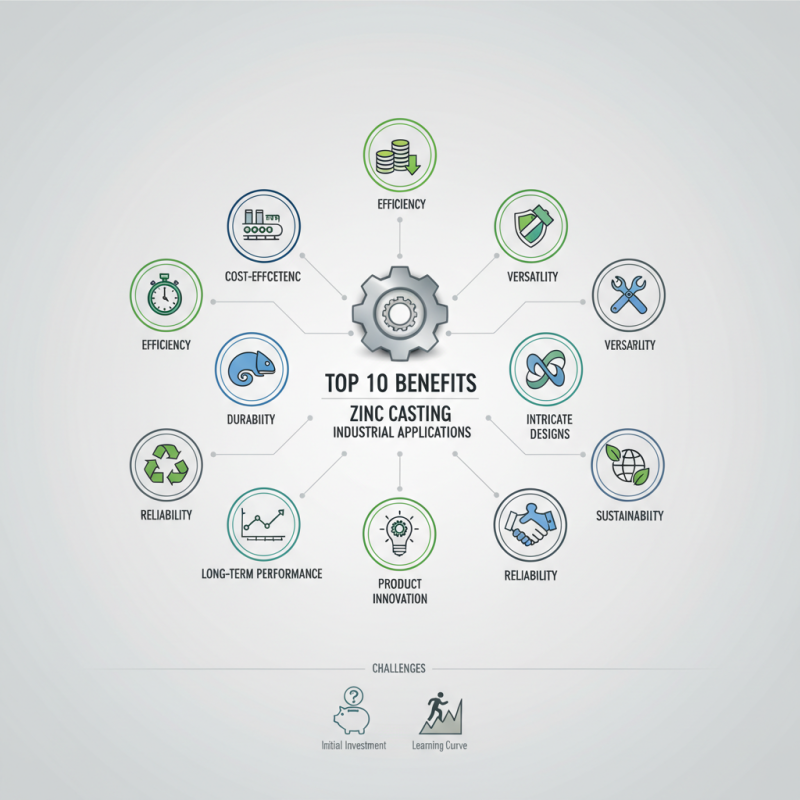
Top 10 Benefits of Zinc Casting for Industrial Applications

Benefits of Zinc Casting: Enhanced Durability and Corrosion Resistance

Zinc casting is increasingly popular in industrial applications due to its enhanced durability and corrosion resistance. Zinc alloys are known for their impressive strength, making them suitable for a variety of components. This material can withstand harsh environments, which is essential for many industries. The resistance to corrosion means that products last longer, ultimately reducing maintenance costs and replacement frequency.

Employing zinc casting can also lead to significant weight savings. Zinc components are lightweight yet strong, which is crucial for industries where reducing weight can improve efficiency. Consider using zinc casting in automotive parts where weight reduction influences fuel efficiency and performance.

Tips for implementing zinc casting effectively: ensure proper mold design to maximize efficiency and minimize waste. It’s also vital to select the right alloy for your specific application. While zinc is durable, not all grades offer the same level of corrosion resistance. Reflection on material choices can lead to better performance outcomes.

Top 10 Benefits of Zinc Casting for Industrial Applications

Benefit Description Applications
Enhanced Durability Zinc casting provides high tensile strength and resistance to wear. Automotive components, machinery parts
Corrosion Resistance Zinc-coated products are highly resistant to rust and corrosion. Outdoor structures, marine equipment
Cost-Effective Lower material costs compared to aluminum and steel castings. Consumer goods, electronics housings
Good Fluidity Allows for intricate designs and detailed casts. Small precision parts, decorative items
Rapid Production Fast casting process reduces lead times for production. Mass production environments
Sustainability Recyclable materials reduce environmental impact. Green building materials, industrial components
Electroplating Friendly Can be easily electroplated for enhanced aesthetics. Consumer products, home appliances
Non-Toxic Food safe and does not leach harmful chemicals. Food and beverage packaging, cookware
Temperature Resistance Maintains integrity under a wide range of temperatures. Automotive exhaust systems, HVAC components
Dimensional Stability Retains shape and size during and after the casting process. Precision engineering, tools, and fixtures

Cost Efficiency in Manufacturing: Zinc Casting vs. Traditional Methods

Zinc casting has emerged as a cost-effective alternative in industrial manufacturing. Traditionally, metal casting involves significant expenses due to material waste and extensive processing times. In contrast, zinc casting boasts a lower melting point, which leads to reduced energy consumption. This efficiency is crucial in managing production costs, especially for manufacturers with tight budgets.

Another advantage of zinc casting is its high precision. The process allows for tighter tolerances, resulting in less machining required post-casting. This precision can help mitigate errors that often lead to increased costs. However, it is essential to stay vigilant about tooling and initial setup costs. If not managed well, these can offset the savings achieved through zinc casting.

Understanding cost dynamics in manufacturing is important. While zinc casting shows great potential, manufacturers must reflect on their unique needs and production volumes. Balancing initial investments against long-term savings is not always straightforward. Hence, careful analysis is necessary to optimize outcomes and maintain a competitive edge.

Zinc Casting's Role in Weight Reduction for Industrial Components

Top 10 Benefits of Zinc Casting for Industrial Applications

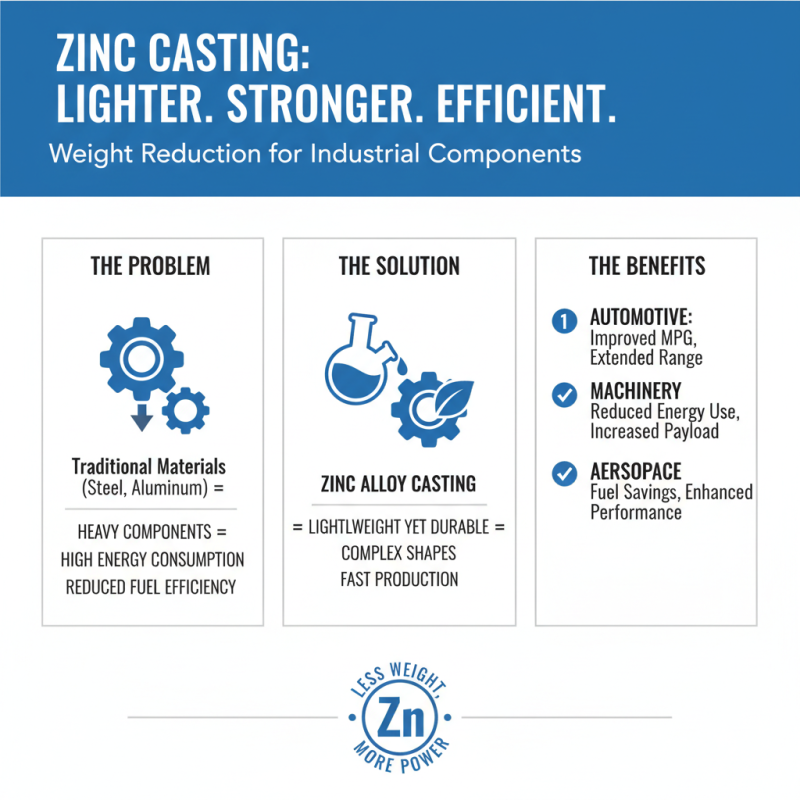
Zinc casting plays a significant role in weight reduction for industrial components. The lightweight nature of zinc alloys makes them ideal for automotive parts, machinery, and aerospace applications. By utilizing zinc, manufacturers can create components that are strong yet considerably lighter than traditional materials like steel or aluminum. This weight reduction directly contributes to improved fuel efficiency in vehicles and reduced energy consumption in machinery.

While the benefits are clear, challenges do exist. Some may question the durability of zinc in harsh environments. However, zinc offers impressive corrosion resistance, making it suitable for many industrial conditions. Additionally, the casting process itself can sometimes lead to imperfections. It requires skilled operators to ensure high-quality output. The focus on precision in zinc casting is essential, especially in critical component applications.

The ability to tailor zinc alloys enhances this material's versatility. Different alloy compositions can be tailored to achieve desired properties. It's worth noting that not every application may be suited for zinc casting. Companies must evaluate their specific needs against the material's characteristics. By doing so, they can leverage zinc casting effectively for optimal weight reduction and performance.

High Precision and Surface Finish Achieved Through Zinc Casting Techniques

Zinc casting techniques offer exceptional precision and surface finishes, making them crucial in various industrial applications. The precision achieved through zinc casting can reach tolerances as tight as ±0.05 mm. This level of accuracy is significant for industries where every millimeter counts. Reports suggest that around 90% of manufacturers prefer zinc for its adaptability in complex designs.

The surface finish of zinc cast parts also meets stringent standards. Findings indicate that zinc castings can achieve surface roughness values as low as Ra 1.6 microns. This quality reduces the need for additional machining processes, thereby decreasing production costs. However, not all zinc castings meet these ideal surface finishes. Some parts may reveal inconsistencies due to poor mold design or inadequate temperature control during casting. These issues require careful attention to process parameters to ensure high-quality outcomes.

Environmental factors can also impact zinc casting quality. Variations in temperature and humidity during the casting process can alter the metal's properties. Studies have highlighted that a controlled environment can significantly enhance the overall quality of zinc components. Such considerations reflect a need for continuous improvement and innovation in casting practices.

Sustainability Benefits: Recycling and Eco-Friendliness of Zinc Alloys

Top 10 Benefits of Zinc Casting for Industrial Applications

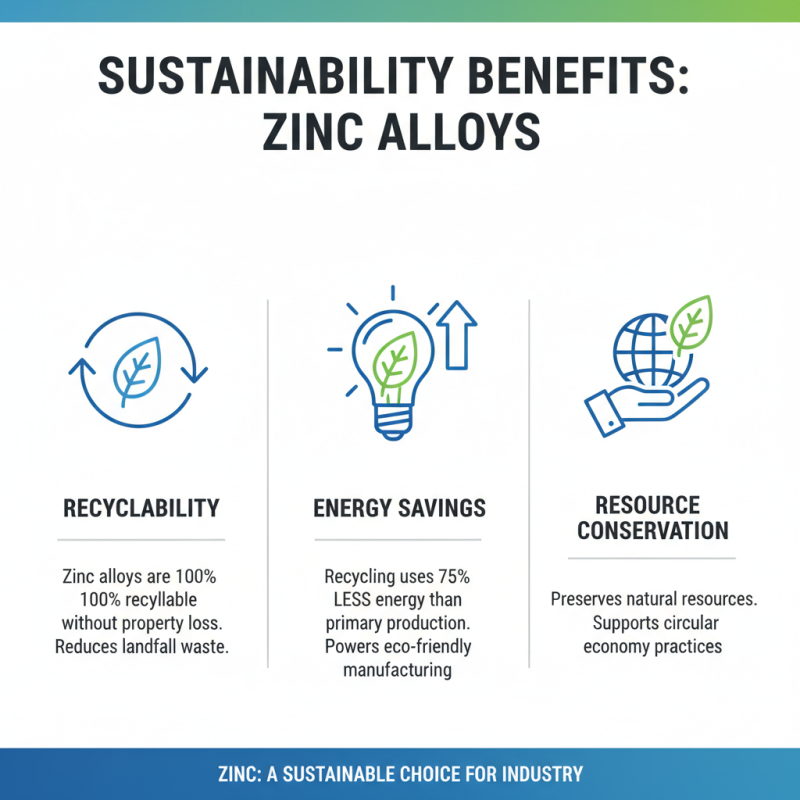
Zinc casting plays a crucial role in sustainable industrial practices. One of its most significant advantages is the recyclability of zinc alloys. Zinc can be recycled repeatedly without losing its properties. This process conserves natural resources and reduces energy consumption. Recycling zinc uses only 25% of the energy required for primary production. This low energy demand makes it an attractive option for eco-friendly manufacturing.

The eco-friendliness of zinc alloys extends beyond recycling. Zinc production generally emits fewer pollutants compared to other metals. When zinc components reach the end of their service life, they can be effectively melted down and recast. The closed-loop nature of this process minimizes waste and encourages a circular economy. Zinc casting contributes to a lower carbon footprint, though challenges remain in improving recycling rates across industries.

Another aspect worth noting is that not all zinc products are equally sustainable. Some zinc alloys can contain additives that complicate recycling. Stakeholders need to prioritize using cleaner formulations for better outcomes. Industry players must also continuously review their processes to ensure optimal sustainability. This ongoing reflection will drive improvements in eco-friendly practices throughout the zinc casting sector.