0086-15925850312

Cnc Automotive Parts play a crucial role in the manufacturing industry. These precision-engineered components are essential for the performance and reliability of vehicles. From engine parts to chassis components, Cnc machining enhances quality and efficiency. The automotive sector relies heavily on Cnc technology for producing intricate designs.
During the upcoming 139th Canton Fair in 2026, sectors such as advanced manufacturing and machinery will showcase innovation. The event will highlight how Cnc Automotive Parts contribute to modern manufacturing processes. However, the integration of artificial intelligence and smart navigation systems raises questions about human involvement in craftsmanship.
As we embrace technology, the potential for errors increases. Relying solely on automation could detract from the artistry in manufacturing. Striking a balance between precision and human touch is vital for the future of Cnc Automotive Parts. Reflecting on these aspects prompts industry professionals to consider the implications of a tech-driven approach.
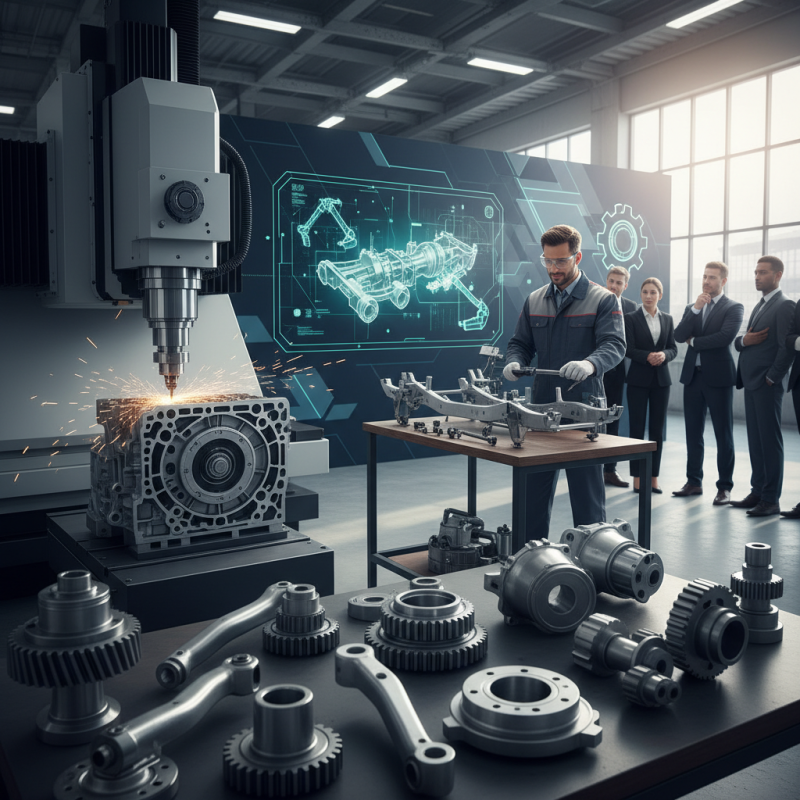
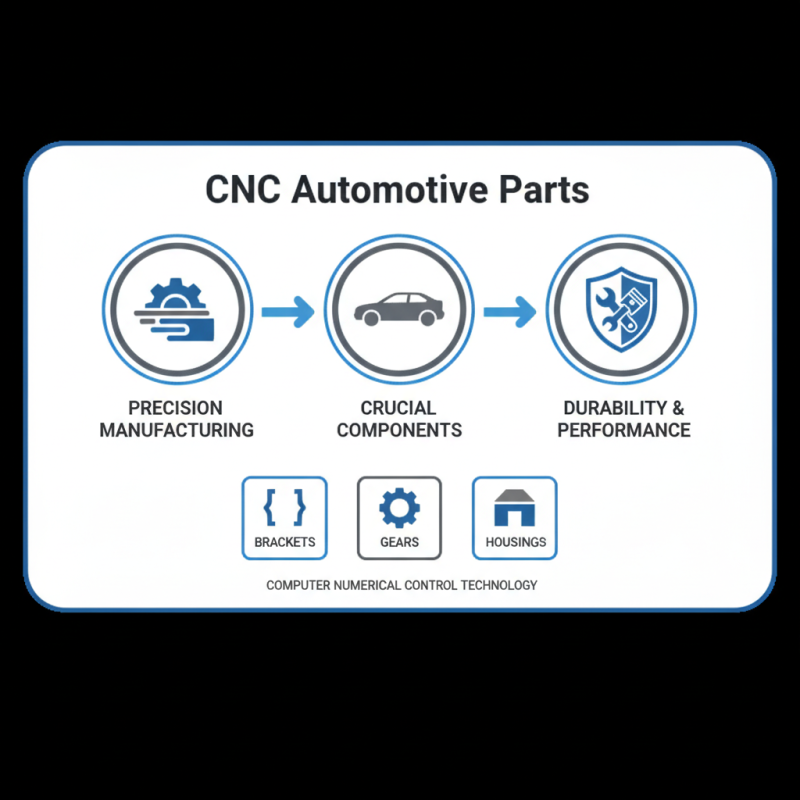
CNC automotive parts are precision components created using computer numerical control (CNC) technology. This process allows manufacturers to craft intricate parts with exact specifications. These components are crucial in the automotive industry, serving various functions. Common parts include brackets, gears, and housings, all made for durability and performance.
One of the benefits of CNC automotive parts is repeatability. They can produce thousands of identical pieces without loss of quality. However, this precision comes at a cost, and sometimes, mistakes occur during programming. This can lead to misalignments or dimensional errors, requiring additional time to rectify. Optimizing the design and manufacturing stages is essential to reduce these pitfalls.
Materials used in CNC machining are diverse. Aluminum, steel, and plastics are common choices, each with unique properties. Different applications may require different materials, adding complexity to the manufacturing process. In this field, a single oversight can compromise an entire production run, highlighting the need for meticulous planning and execution. This ongoing challenge drives innovation within the industry.
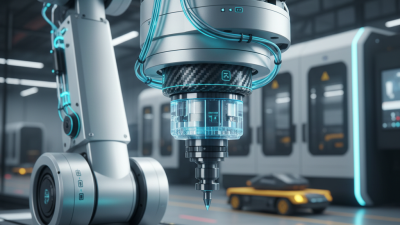
CNC (Computer Numerical Control) machining is pivotal in the automotive industry. This process utilizes computerized controls to operate cutting tools. The result is precision parts that meet stringent quality standards. According to a report by Grand View Research, the CNC machining market is projected to reach $100 billion by 2025. This growth underscores the rising demand for high-accuracy components.
Manufacturing CNC automotive parts involves several steps. Initially, a design is created using CAD software. The design is then converted into executable code for the CNC machine. Materials like aluminum and steel are commonly used. The machining process begins, where tools cut, shape, and finish the materials. Some experts note that despite advancements, human oversight is essential to avoid costly errors.
A potential drawback is the substantial investment in CNC equipment. Smaller manufacturers may struggle with these costs. Additionally, high precision may lead to waste if specifications are not correctly followed. It indicates a need for continual training and quality control. Automotive manufacturers can benefit from harnessing innovations while reflecting on areas for improvement.
CNC automotive parts are manufactured using various materials, each selected for its unique properties. Metals like aluminum, steel, and titanium dominate the industry due to their strength and durability. According to a recent report by MarketsandMarkets, the global automotive CNC machining market was valued at approximately $2.8 billion in 2022 and is expected to grow significantly. This growth is driven by the rising demand for lightweight materials to improve fuel efficiency.
Aluminum, for instance, is preferred for many components due to its lightweight nature. Many manufacturers report that aluminum parts can reduce weight by up to 40% compared to steel. However, machining aluminum can lead to challenges such as chip formation and tool wear. Steel, while heavier, offers exceptional structural integrity for high-stress applications. The choice between these materials often comes down to balancing strength, weight, and cost.
In addition to metals, composite materials are gaining traction. Composites are lightweight and resistant to corrosion but can be more challenging to machine. The use of composites is forecasted to increase as manufacturers seek to optimize performance. However, the high cost of CNC machining for composites is a significant barrier. As the industry evolves, these materials will require careful consideration to address their unique challenges in production.
CNC automotive parts play a vital role in the manufacturing process of vehicles. These parts are precisely machined using Computer Numerical Control technology. The precision of CNC machining enhances the performance and reliability of vehicles. According to a report by Market Research Future, the CNC machining market in the automotive sector is projected to reach USD 9.2 billion by 2025.
Applications of CNC automotive parts are extensive. They are used in making complex engine components, transmission parts, and chassis elements. CNC machining can produce intricate designs that are often necessary for high-performance vehicles. In a study by Grand View Research, 30% of automotive manufacturers reported increased efficiency due to the implementation of CNC technologies. Yet, not all manufacturers have adopted these practices. Some still rely on traditional methods, which may result in higher production times and costs.
Another significant application is in prototyping. Manufacturers utilize CNC parts to create prototypes quickly and accurately. This rapid prototyping assists in design validation, allowing for adjustments before mass production. However, transitioning to CNC technology can be challenging for smaller manufacturers due to the initial investment. Many face a steep learning curve, which can delay their competitiveness in the market. Balancing modernization with cost-efficiency remains a crucial challenge for the automotive industry.
| Part Type | Material | CNC Process Used | Common Applications | Benefits |
|---|---|---|---|---|
| Engine Components | Aluminum Alloy | CNC Milling | Cylinder heads, engine blocks | High precision, lightweight |
| Transmission Parts | Steel | CNC Turning | Gear shafts, housings | Durability, high strength |
| Suspension Components | Carbon Steel | CNC Laser Cutting | Control arms, brackets | Weight management, improved handling |
| Body Parts | Plastic Composites | CNC Routing | Dashboards, interior panels | Cost-effective, lightweight |
| Fasteners | Titanium | CNC Machining | Bolts, screws, rivets | High strength, lightweight |
CNC technology is transforming the automotive manufacturing landscape. Reports indicate that 70% of automotive parts now utilize CNC machining for precision. This technology enhances accuracy and minimizes human error in production. The automated processes ensure that parts fit together seamlessly, reducing assembly time and improving overall quality.
One notable benefit of CNC technology is its ability to handle complex designs. For instance, intricate geometries that were once difficult to achieve can now be produced with ease. Additionally, CNC machines can operate continuously, boosting productivity significantly. However, the initial setup costs and maintenance can be challenging for smaller manufacturers. Balancing these factors is crucial for optimizing production efficiency.
Moreover, CNC machining can lead to material waste. While advanced software helps in design optimization, some scrap is inevitable. Manufacturers must constantly refine their processes to mitigate waste. The industry average for scrap in precision manufacturing is around 15%. Thus, addressing inefficiencies remains a work in progress.