What is Cnc Machining Parts and How Are They Used?
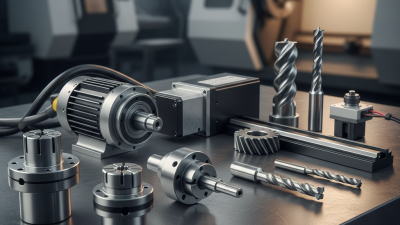
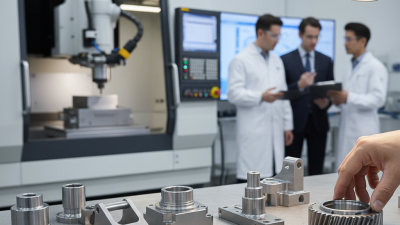
CNC machining parts play a crucial role in manufacturing. These components are made using advanced computer numerical control technology. According to Dr. Anna Chen, a leading expert in precision engineering, "CNC machining parts are the backbone of modern production." Her insight emphasizes the importance of quality and precision in this field.
CNC machining parts are used in various industries, from aerospace to automotive. They ensure precision and efficiency in the production process. The ability to machine complex shapes allows manufacturers to meet specific design requirements. This adaptability has made CNC machining an essential technique in modern manufacturing.
Despite the many benefits, challenges exist. The initial investment can be significant. Additionally, skilled operators are necessary for optimal machine utilization. Companies must continuously reflect on their processes to enhance efficiency and reduce waste. Balancing cost and quality is a constant concern in the industry.
What is CNC Machining?
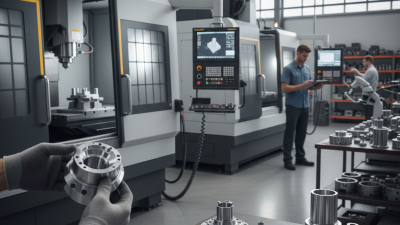
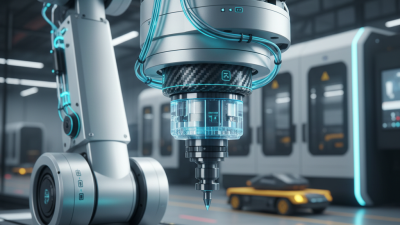
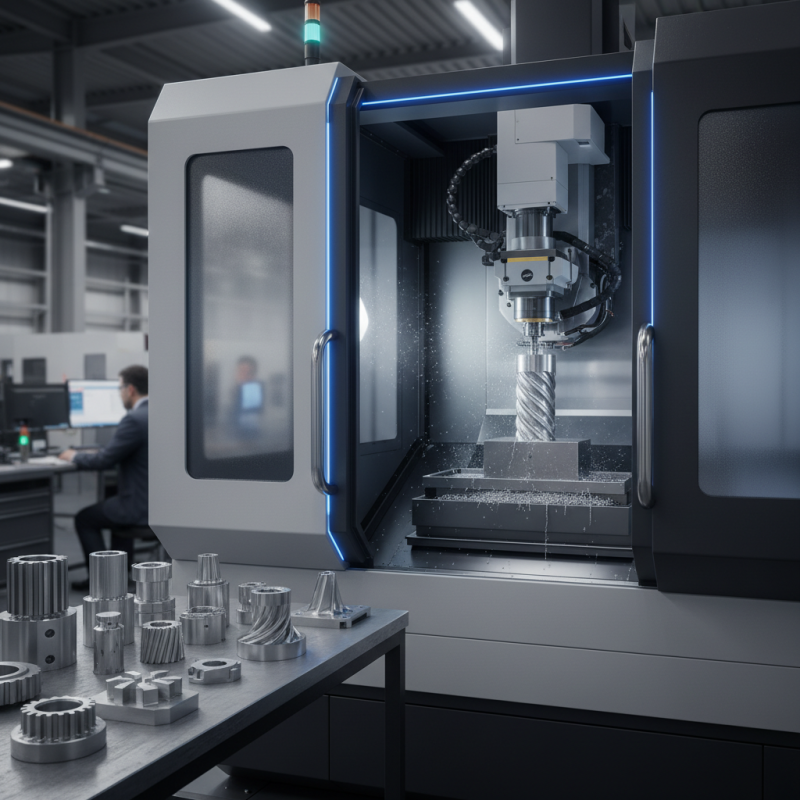
CNC machining is a precise manufacturing process that utilizes computer-controlled machines to create intricate parts. It stands for Computer Numerical Control, which means that the machine follows coded instructions to produce components. This technology allows for high accuracy and repeatability, making it ideal for creating complex shapes and designs.
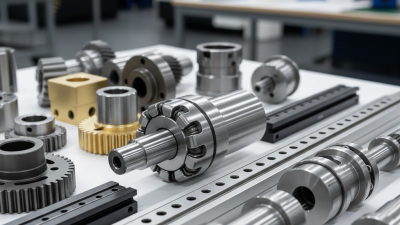
One common application of CNC machining is in the automotive industry. Manufacturers use CNC to produce engine components, gears, and brackets. These parts need to meet stringent specifications, so precision is crucial. Furthermore, CNC machining can work with various materials, including metals, plastics, and composites. This versatility opens the door to many different industries, from aerospace to medical devices.
While CNC machining boasts many advantages, it is not without its challenges. Machine setup can be time-consuming and costly, especially for small production runs. Furthermore, programming the CNC machine requires specialized knowledge and skill. Ensuring the quality of parts can also be a concern. Each stage of the process must be carefully monitored to prevent defects. Proper training and continuous improvement practices are essential for successful CNC operations.
The Process of CNC Machining Explained
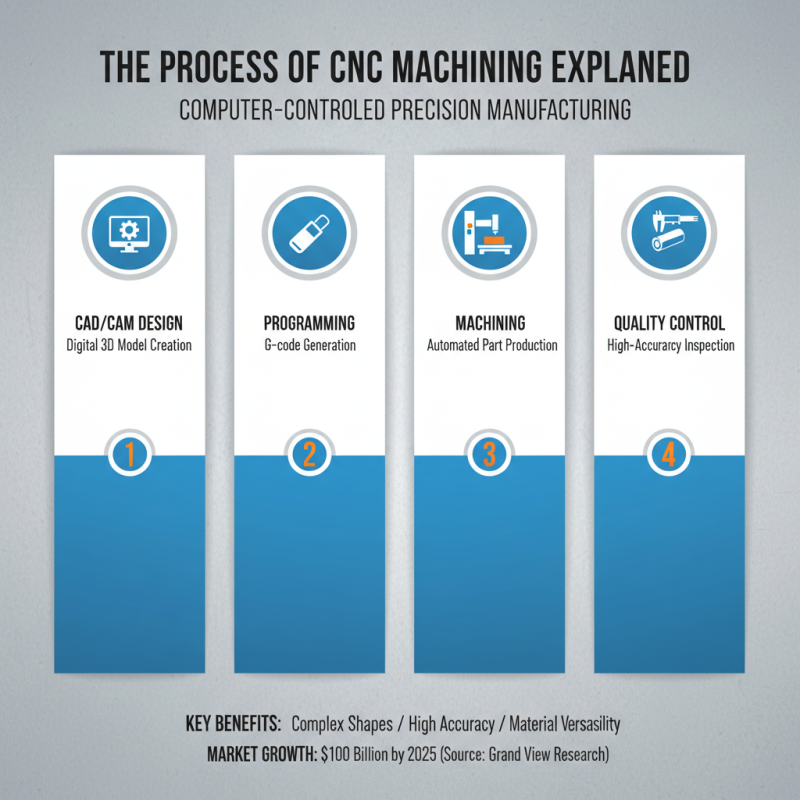
CNC machining is a modern manufacturing process. It uses computer-controlled machines to create precise parts from various materials. This technology enables manufacturers to produce complex shapes with high accuracy. In fact, according to a study by Grand View Research, the CNC machining market is expected to reach $100 billion by 2025, indicating strong demand.
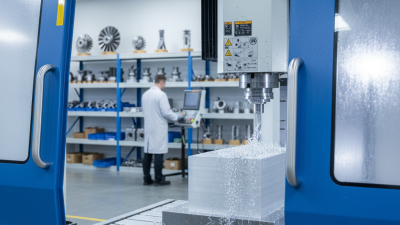
The process begins with designing a 3D model using CAD software. The software translates this design into a CNC program. The CNC machine follows this program to cut or shape the material. Materials like metal, plastic, and wood are commonly used. Each material requires specific tools and settings for optimal results. However, imperfections can occur due to tool wear or programming errors.
Tips: Always test your CNC program with a simulation. This can save time and resources. Keep your tools and machines well-maintained. This ensures longevity and better quality parts.
Mistakes in CNC machining can lead to costly errors. Overlooking small details in the setup may affect the final product. It's vital to double-check all parameters before starting production. Consistent quality checks after each batch can help catch issues early. The ongoing evolution of CNC technology aims to increase efficiency and reduce errors, making it a reliable choice for modern manufacturing.
Materials Used in CNC Machining Parts
CNC machining parts are crafted from various materials, each selected for their unique properties and applications. Metals such as aluminum and steel are commonly used due to their strength and durability. According to a report by the International Journal of Advanced Manufacturing Technology, aluminum accounts for about 30% of CNC machined parts. Its lightweight nature makes it ideal for aerospace and automotive applications.
Plastics also play a significant role. Materials like polycarbonate and nylon are popular choices for their versatility. These plastics often feature in prototyping and low-volume production runs. Research indicates that around 25% of CNC parts use plastic. This demonstrates a growing trend toward lightweight composites. However, the machining process can sometimes lead to inconsistencies in finish and precision.
Lastly, specialized materials like titanium and carbon fiber are emerging in CNC machining. These materials offer high strength-to-weight ratios and excellent corrosion resistance. However, machining them requires advanced techniques and tools. The complexity of these materials can lead to increased costs and longer production times. It’s essential to balance material choice with machine capabilities and project requirements.
Applications of CNC Machining Parts Across Industries
CNC machining parts are integral to many industries. Their precision allows for the production of complex shapes and components. Automotive, aerospace, and medical sectors often rely on these parts. For example, in automotive manufacturing, CNC parts are used in engine components and body structures. The accuracy of these parts ensures higher efficiency and safety in vehicles.
In the aerospace industry, precision is critical. CNC machining creates specific components like brackets and housings. These components help reduce weight while maintaining strength. In medical applications, CNC parts make surgical tools and implants. The precision here can significantly impact patient outcomes. When it comes to reliability, CNC machining has established its place in these fields.
However, there are challenges. Not every design is straightforward. Some intricate parts may require multiple setups, increasing costs. Moreover, choosing the right material adds complexity. Designers must consider not just function but also manufacturability. Continuous improvement in processes is key to overcoming these hurdles. Each industry must adapt to its unique needs while managing these issues effectively.
Benefits and Limitations of CNC Machining Technology
CNC machining technology has transformed manufacturing processes significantly. This precision method allows for the creation of complex parts from various materials. Its automated nature reduces the risk of human error, increasing efficiency. However, it’s essential to acknowledge some limitations. High initial setup costs can deter small businesses. Additionally, the technology often demands skilled operators for optimal results.
The benefits of CNC machining are vast. It offers high precision, making it ideal for industries requiring tight tolerances. The process is repeatable, ensuring consistency across batches. Moreover, CNC machines can work continuously, boosting productivity. Still, over-reliance on automation may lead to skills atrophy among workers. This trend could become a challenge as more companies adopt CNC technology without proper training programs. Balancing automation with human expertise remains crucial in this evolving landscape.
CNC Machining Parts: Benefits and Limitations


 0086-15925850312

 CONTACT NUMBER