What is Die Casting Mold and How Does It Work?
Die Casting Mold is a crucial component in the manufacturing industry. Experts emphasize its significance in producing precise metal parts. According to John Smith, a leading expert in the field, “Efficient die casting molds are essential for high-quality production.” This highlights the integral role of Die Casting Molds in modern manufacturing.
The process involves injecting molten metal into a mold to create intricate shapes. Various industries rely on this method for its speed and precision. However, the design of Die Casting Molds is not without challenges. Creating molds that achieve both durability and accuracy can be complex.
Understanding the nuances of Die Casting Mold technology is important. Many manufacturers are investing in advanced techniques to improve their processes. Yet, not all explore the full potential of these technologies. As the industry evolves, companies must reflect on their capabilities to remain competitive.
What is Die Casting Mold: Definition and Overview
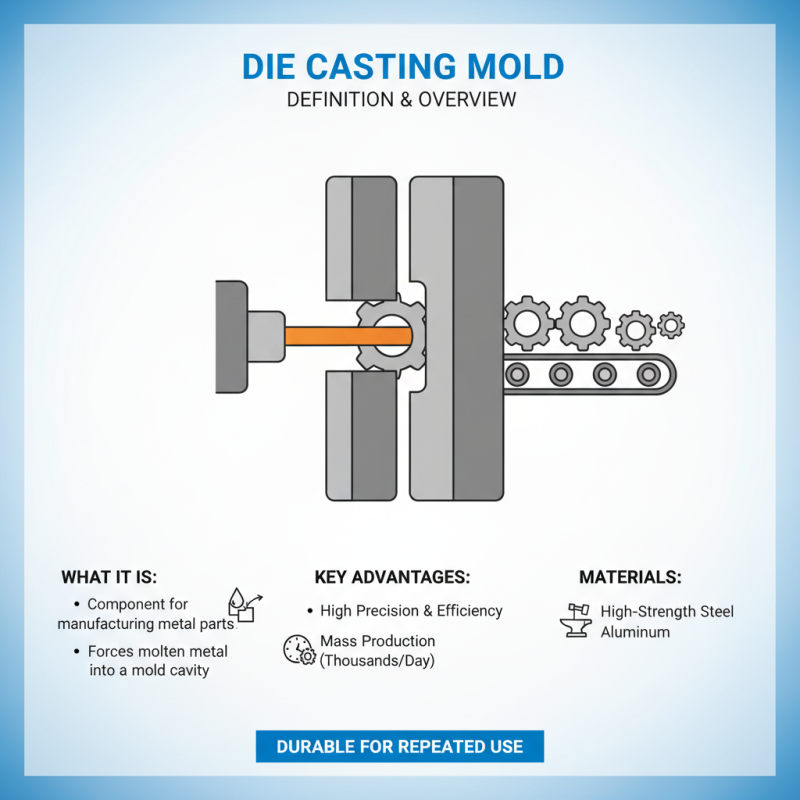
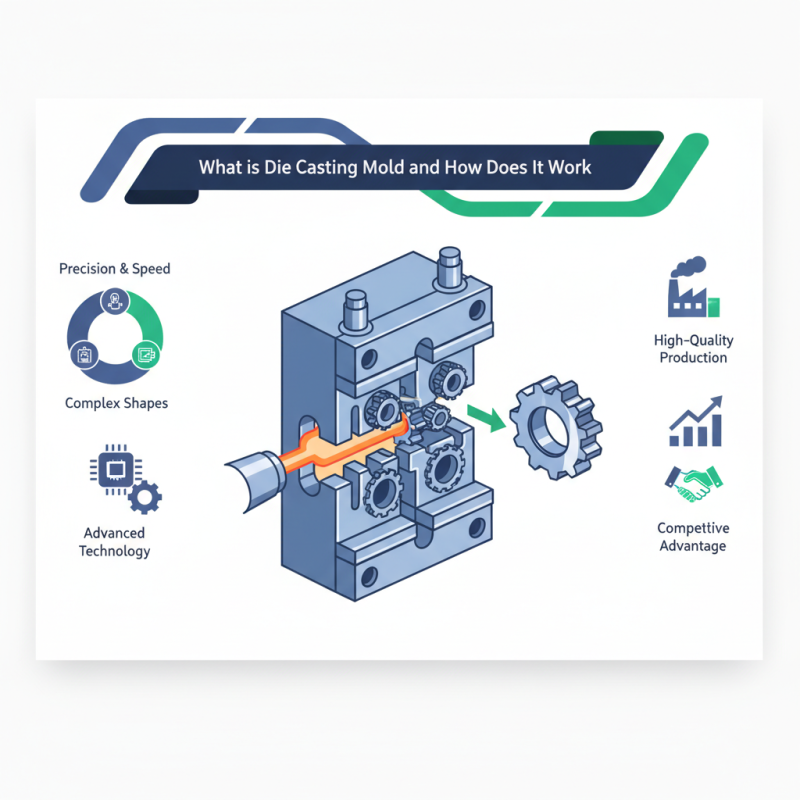
Die casting mold is a crucial component in the manufacturing process of metal parts. It involves creating metal components by forcing molten metal into a mold cavity. This method offers high precision and efficiency. According to industry reports, die casting can produce thousands of parts in a single day. The molds are typically made from high-strength steel or aluminum, ensuring durability for repeated use.
Tips: When designing a die casting mold, consider the cooling system. Proper cooling channels can enhance cycle times significantly.
The mold design process is not without challenges. It's essential to balance complexity and cost. Creating a mold with intricate designs can lead to higher fabrication costs. Data suggests that over 30% of the project budget may go toward tooling. This requires careful planning and expert input. Communication between designers and engineers is key to avoid costly mistakes.
Tips: Regular maintenance of molds is vital. This practice reduces wear and prolongs their lifespan. A well-maintained mold can improve production consistency.
The Die Casting Process: Key Steps and Techniques
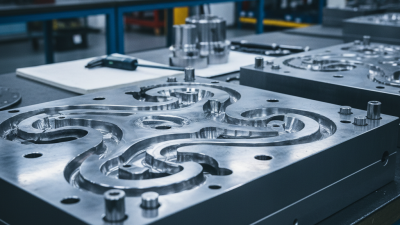
The die casting process is a fascinating technique for producing metal parts. It involves several key steps that ensure precision and quality. First, a mold is created, usually from steel, which consists of two halves. These halves come together to form a cavity in the shape of the desired part. Designing this mold requires careful consideration. Mistakes here can lead to flawed products.
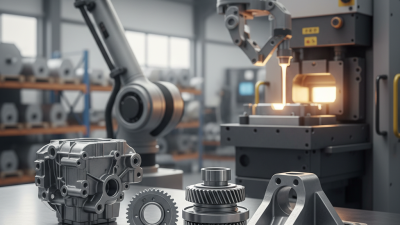
Next comes the injection of molten metal into the mold. This process occurs under high pressure, which forces the metal to fill the cavity completely. Timing is crucial during this phase. If the metal is injected too quickly, it may not fill the mold correctly. Conversely, if it’s too slow, it can solidify before reaching all areas.
After the metal cools and hardens, the mold opens to release the cast part. This step can be tricky. Sometimes, the part sticks to the mold, causing defects. Operators often spend time troubleshooting these issues. Ultimately, the die casting process is efficient, but it requires precision and attention to detail to achieve high-quality results.
Materials Used in Die Casting Molds: An Industry Perspective
Die casting molds are crucial in manufacturing. The materials used directly impact the quality and durability of the molds. Most molds are made from steel, aluminum, or copper alloys. Steel is popular for its strength and longevity. However, it can be costly. Aluminum molds are easier to work with but may wear out faster. Copper alloys provide superior heat conductivity but can be expensive to produce.
Choosing the right material is a balancing act. The goal is to minimize production costs while maximizing mold life. For example, using a high-quality steel can lead to better results, but it requires a larger budget. Some manufacturers try to cut costs with lower-grade materials, but this often backfires. A weaker mold can lead to defects in the final product, wasting both time and resources.
In some cases, the choice of material depends on the part being produced. Complex shapes may need more detailed molds, which require higher-quality materials. However, not every mold needs to be top-tier. Sometimes a standard mold suffices for simpler designs. This dual approach helps in managing production costs while ensuring a competitive edge. Experimenting with different materials is essential for innovation. This exploration can reveal new insights into mold design and performance.
Material Usage in Die Casting Molds
Applications and Benefits of Die Casting in Manufacturing
Die casting is a popular manufacturing method with many applications. It is often used in automotive, aerospace, and consumer goods industries. According to industry reports, the global die casting market is projected to reach $16 billion by 2025, growing at a CAGR of around 6%. This growth highlights the increasing demand for precise metal parts.
One key advantage of die casting is its ability to produce complex shapes with high precision. This results in low per-part costs when producing large quantities. Reports indicate that die casting can reduce waste materials by 50% compared to other methods. However, the initial setup and tooling costs can be high, which may deter smaller companies.
Many manufacturers appreciate the durability of die casting components. For instance, zinc die casting is favored for its resistance to corrosion. Yet, not all materials are suitable for die casting. Some metals can lead to complications during the casting process. It’s essential for manufacturers to weigh these factors when choosing die casting for their projects. Understanding the balance between cost and quality is crucial for effective production.
What is Die Casting Mold and How Does It Work? - Applications and Benefits of Die Casting in Manufacturing
| Application |
Material Used |
Benefits |
Industry |
| Automotive Parts |
Aluminum Alloys |
High Strength, Lightweight |
Automotive |
| Consumer Electronics |
Zinc Alloys |
Complex Shapes, Smooth Finish |
Electronics |
| Aerospace Components |
Magnesium Alloys |
Lightweight, High Stability |
Aerospace |
| Industrial Equipment |
Aluminum and Zinc |
Durability, High Production Rate |
Manufacturing |
| Consumer Goods |
Aluminum |
Cost-effective, Mass Production |
Consumer Products |
Challenges and Innovations in Die Casting Mold Technology
Die casting mold technology is evolving rapidly. The industry faces several challenges, such as precision and durability. Maintaining accuracy is crucial. Even a small error can lead to defects. Thin walls in castings can create complications. The molds must withstand high pressure and heat. This stresses the materials used for molds.
Innovations are emerging to tackle these issues. Advanced materials are being tested for better performance. For example, new alloys can enhance mold life. 3D printing is changing design possibilities. It allows for complex geometries that were once impossible. However, not all innovations are perfect. There’s a learning curve with new technologies. Implementing them can be costly. Companies must consider return on investment carefully.
The shift toward sustainable practices is also notable. Reducing waste during the casting process is a priority. Recycling materials will help lower unwanted byproducts. Despite these advancements, the industry still faces challenges. Balancing cost and efficiency remains a tough task. Continuous improvement is necessary for future progress.


 0086-15925850312

 CONTACT NUMBER