How to Effectively Use Zinc Casting in Manufacturing Processes?
Zinc casting is gaining momentum in the manufacturing world. According to a report by MarketsandMarkets, the zinc casting market is expected to grow by 7.4% annually. This rapid growth highlights the importance of effective techniques in this field. Industry expert Dr. John Mitchell states, "Zinc casting offers unique advantages, but its application requires precision and knowledge."
Efficient use of zinc casting can lead to reduced waste and improved productivity. Companies are increasingly adopting this method due to its cost-effectiveness and versatility. However, challenges remain. Some manufacturers struggle with the intricacies of the casting process. Understanding these nuances is crucial for success.
As we delve into effective strategies for zinc casting, it's essential to address common pitfalls. Many practitioners overlook critical aspects of process control. This oversight can lead to defects and increased costs. By honing in on the best practices, manufacturers can harness the full potential of zinc casting.
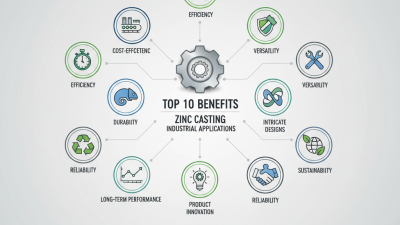
Benefits of Zinc Casting in Modern Manufacturing Applications
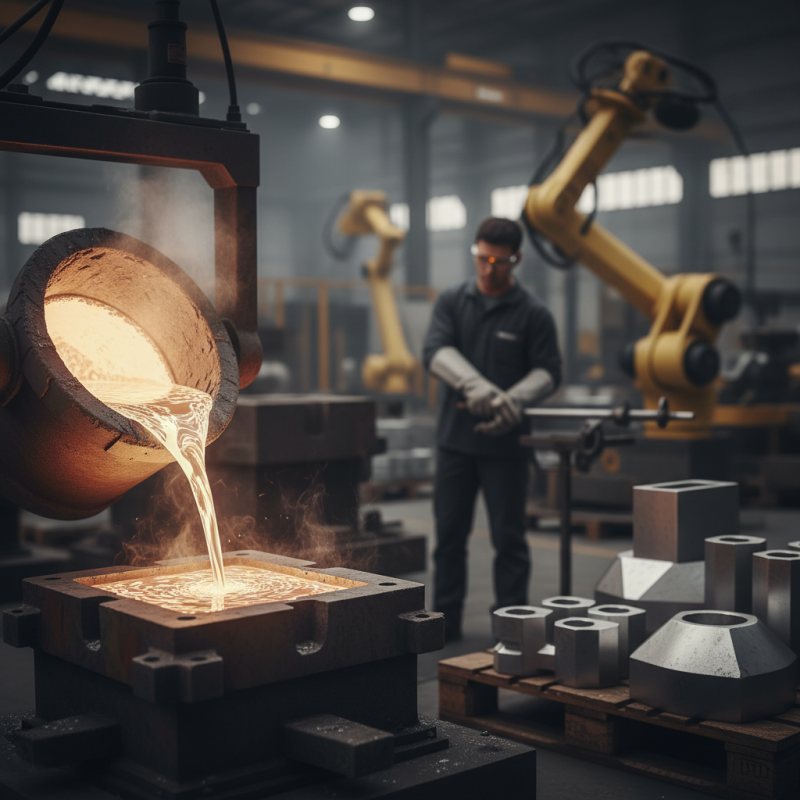
Zinc casting has gained popularity in modern manufacturing. Its benefits are driving industries to adopt this method. One notable advantage is its excellent fluidity. This characteristic allows for intricate designs and thin-walled sections. A study by the International Zinc Association highlighted that zinc alloys can be cast with wall thicknesses as low as 1 mm with high precision.
Moreover, zinc casting is known for its corrosion resistance. This makes it suitable for various applications, including automotive and construction. In fact, a recent report indicated that products made with zinc can last up to four times longer than those made from untreated metals. This significantly reduces maintenance costs and enhances product durability.
However, challenges remain. The energy costs associated with melting zinc can be high. Many manufacturers are addressing this by optimizing their processes. Additionally, achieving the desired finish can sometimes be difficult, requiring extra machining steps. Despite these issues, the overall advantages of zinc casting often outweigh the drawbacks, making it a valuable technique in the manufacturing landscape.
How to Effectively Use Zinc Casting in Manufacturing Processes? - Benefits of Zinc Casting in Modern Manufacturing Applications
| Dimension |
Benefits |
Application |
| Material Strength |
Zinc casting provides high strength and durability. |
Automotive components |
| Corrosion Resistance |
Excellent resistance to corrosion in various environments. |
Outdoor fittings |
| Casting Complexity |
Can produce complex shapes that other metals cannot. |
Electronics housings |
| Cost Efficiency |
Lower production costs compared to other metals. |
Mass production items |
| Thermal Conductivity |
Good thermal conductivity for heat dissipation. |
Heat sinks |
Key Properties of Zinc Alloys in Casting Processes
Zinc alloys are gaining popularity in the manufacturing sector, particularly for casting processes. The remarkable properties of these alloys enhance their effectiveness. Zinc offers excellent fluidity, allowing for intricate designs and thin-walled shapes in castings. According to industry data, zinc alloys can exhibit tensile strength of up to 220 MPa, making them suitable for various applications.
Another key property of zinc alloys is their corrosion resistance. They oxidize less than many other metals, making them ideal for outdoor applications. A report from the Zinc Alloy Association notes that cast zinc parts can last up to 50 years in outdoor environments. This longevity is vital for manufacturers looking to reduce maintenance costs.
Tip: When choosing zinc alloys, consider the desired mechanical properties. Some alloys may not perform well under extreme stress or heat. Testing prototypes can reveal if an alloy meets specific requirements.
Castability depends on the alloy's composition. Some zinc alloys contain aluminum for improved strength, while others include copper for enhanced wear resistance. Experimentation may lead to better formulations, as industry standards evolve. Optimal choices can resonate through the entire manufacturing process.
Tip: Evaluate production methods alongside material selection. Certain casting methods may work better with specific alloys, impacting overall efficiency. Understanding material interactions is crucial to avoid costly errors.
Step-by-Step Zinc Casting Techniques for Optimal Results
Zinc casting is a crucial process in manufacturing. It offers advantages like high strength-to-weight ratios and good corrosion resistance. The key to successful zinc casting lies in the proper techniques used during the process.
To start, it's essential to choose the right zinc alloy. Zinc-aluminum alloys are often preferred due to their fluidity and reduced shrinkage. According to a report from the International Zinc Association, optimizing alloy composition can enhance performance by up to 20%. After selecting the alloy, controlling the melting temperature is vital. Ideally, this should be between 400-450°C. This range ensures proper flow and minimizes porosity in the final product.
Mold preparation is another critical step. Properly treating molds can prevent defects. A survey in the Journal of Advanced Manufacturing found that nearly 30% of rejected castings result from mold issues. It’s worth noting that, despite advancements, human error in monitoring the entire process remains a factor. Continuous training for operators can mitigate this risk. Monitoring cooling rates during solidification also influences the microstructure. While this sounds straightforward, many manufacturers overlook it, leading to inconsistent results. Regular reviews of process parameters are essential for optimal outcomes.
Quality Control Measures for Zinc Cast Products in Industry
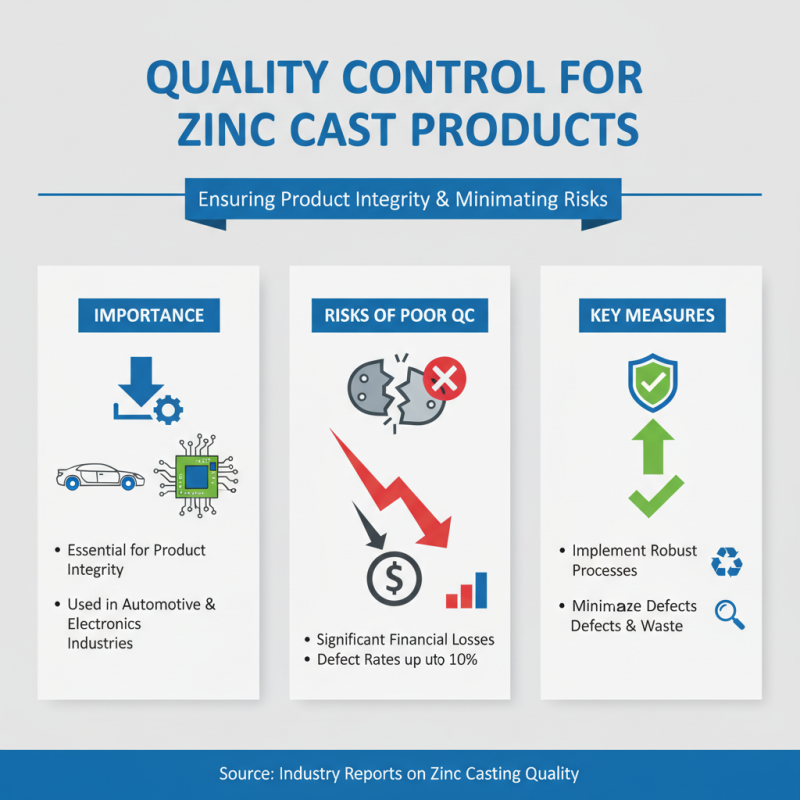
Quality control in zinc casting is essential for maintaining product integrity. Zinc cast products are widely used in various industries, including automotive and electronics. According to industry reports, improper quality control can lead to significant financial losses, with defect rates affecting up to 10% of production batches. Implementing robust quality control measures is crucial to minimize these risks.
Inspecting cast products at different stages of production is necessary. Key areas include mold design, pouring techniques, and cooling times. Regular checks can enhance precision and reduce the likelihood of defects. For instance, monitoring the pouring temperature can help avoid issues like air entrapment, which compromises product strength.
Tips: Invest in training for your staff on quality assessment techniques. Regularly calibrate equipment to ensure accuracy. Conduct audits to identify areas for improvement. Remember, even minor flaws can lead to major setbacks. Attention to detail is vital in maintaining high standards and customer satisfaction in zinc casting.
Cost-Effectiveness of Zinc Casting Compared to Other Materials
When considering manufacturing materials, zinc casting stands out for its cost-effectiveness. It offers a unique balance of durability and affordability. Many manufacturers overlook the financial advantages when comparing zinc to alternatives like aluminum or plastic. Zinc's lower production costs can significantly reduce overall expenditure. This is especially apparent in high-volume production runs.
Additionally, zinc casting provides excellent detail and finish quality. Components can be produced with intricate designs at lower costs, minimizing post-processing needs. Yet, some industry players may hesitate due to the perception of zinc as less premium. This perception can distort purchasing decisions.
Moreover, zinc's resistance to corrosion contributes to its long-term cost efficiency. Parts made from zinc often have enhanced lifespan even in harsh environments. This reduces the frequency of replacements and maintenance. However, reliance solely on zinc may limit options for certain applications. Manufacturers must carefully assess their specific needs before making decisions. Balancing cost and material properties is key.
Cost-Effectiveness of Zinc Casting Compared to Other Materials


 0086-15925850312

 CONTACT NUMBER