0086-15925850312

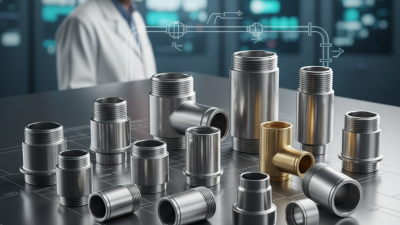
High-Pressure Unions play a crucial role in various industrial applications. These fittings manage fluid and gas flows under intense pressure. They ensure the safety and efficiency of processes in manufacturing, energy, and other sectors. Without them, operations might face leaks or failures, leading to costly downtimes.
The upcoming 2026 Canton Fair highlights advancements in manufacturing and technology. It offers a platform for showcasing high-quality products, including High-Pressure Unions. Businesses can leverage AI technologies to find certified suppliers, ensuring they meet industry standards. This innovation enhances operational efficiency and builds trust among industry players.
However, challenges remain. Some companies may still overlook the significance of proper fittings. Education on the importance of High-Pressure Unions is essential. As industrial demands grow, understanding their role in safe operations must be prioritized.
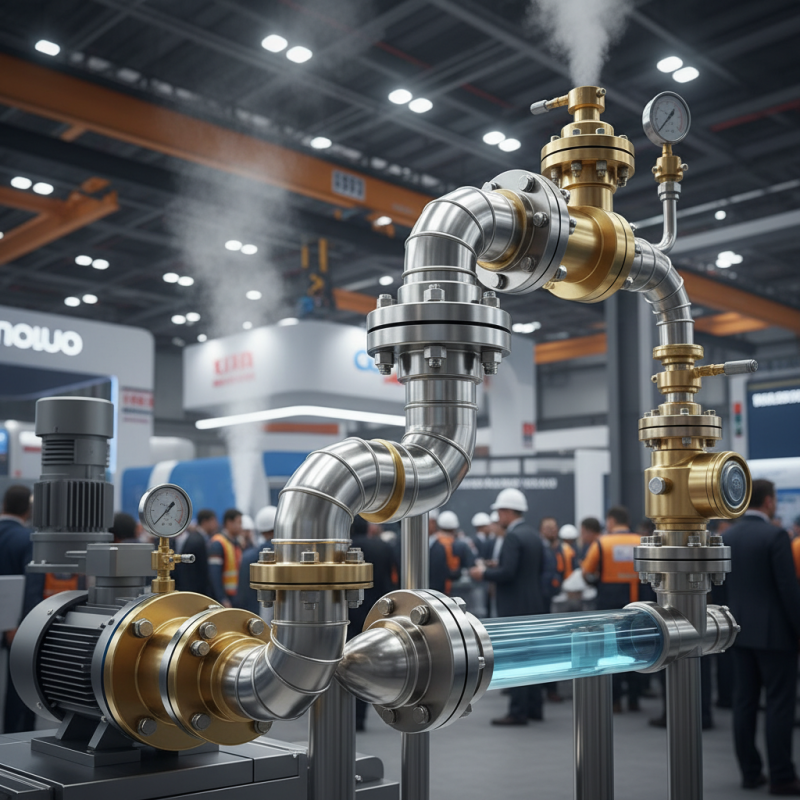
High-pressure unions play a critical role in industrial applications. These connections join pipes and tubes under significant pressure. Their design ensures a tight seal, preventing leaks. When working with fluids and gases at high pressures, safety is paramount. A failure in these unions can lead to catastrophic results.
The function of high-pressure unions extends beyond mere connection. They facilitate the safe transport of materials. Industries such as oil and gas heavily rely on them. Proper installation and maintenance are crucial. Even minor defects can compromise their integrity. This leads to safety risks and operational downtime.
Understanding the specifics of high-pressure unions is essential. They are not all created equal. Different applications might require different materials or designs. Regular inspection is necessary to ensure their effectiveness. Industry professionals often overlook this aspect. It’s a mistake that can have serious consequences.
High-pressure unions play a crucial role in various industrial applications. They are designed to connect pipes, allowing fluids to flow seamlessly under high pressure. Using high-pressure unions can significantly enhance operational efficiency. These unions can withstand extreme pressure, ensuring safety and reliability in demanding environments.
One major advantage is their ability to prevent leaks. Leaks can lead to dangerous situations. High-pressure unions create a secure seal, minimizing these risks. This translates to lower maintenance costs over time. Equipment runs smoothly, reducing downtime.
Tip: Regularly inspect high-pressure unions for signs of wear. Catching issues early can save resources and headaches.
Using high-pressure unions also promotes flexibility. They allow for easy disassembly and reassembly of piping systems. This ease makes it simpler to perform necessary maintenance. However, operators should be trained in proper installation techniques. Incorrect installation can lead to failures or accidents.
Tip: Keep a maintenance log for each high-pressure union. This record can help identify patterns of wear and prevent future issues.
Incorporating high-pressure unions into your system will enhance safety and functionality too. Make sure to consider these unions for your next project. They might just be the solution you need.
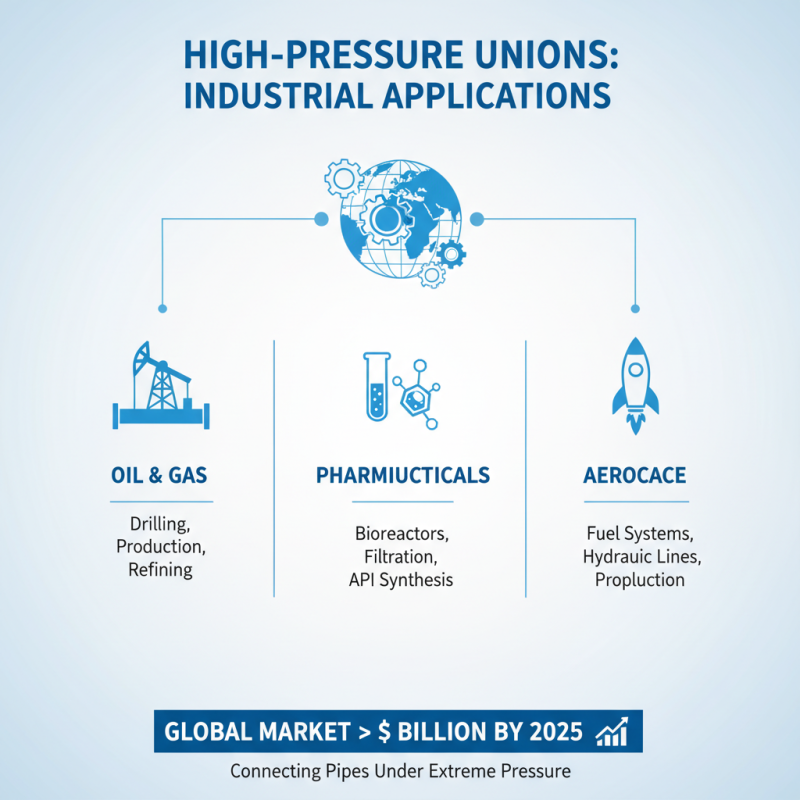
High-pressure unions are crucial in various industrial sectors. These components efficiently connect pipes under extreme pressure. Industries like oil and gas, pharmaceuticals, and aerospace rely on these systems. Reports estimate that the global market for high-pressure fittings will surpass $2 billion by 2025. This growth highlights their importance.
In the oil and gas sector, high-pressure unions help transport fluids safely. They are engineered to withstand significant pressure variations. Similarly, in the pharmaceutical industry, cleanliness and reliability are paramount. High-pressure unions ensure that processes remain sterile and uncontaminated. A failure here could lead to costly downtime or safety issues.
Tips: Always inspect unions before use. Look for wear and tear signs. Ensure proper installation to avoid leaks or failures. Training staff on handling these components is essential.
Despite their reliability, high-pressure unions aren’t infallible. Improper installation can lead to catastrophic failures. Regular maintenance is needed to ensure optimal performance. Attention to detail can prevent costly accidents and improve safety across all industries.
When working with high-pressure unions, safety is paramount.
These components play a vital role in industrial applications, handling fluids and gases under extreme conditions.
Each connection must be reliable and secure to prevent catastrophic failures. A small leak can lead to dangerous situations.
Operators should always check seals and fittings regularly.
Tips:
Always visualize the flow direction before installation. This small step can prevent major issues later.
Ensure all components are rated for the intended pressure and temperature.
Training workers on safe handling practices is essential. They should understand the risks.
Regular drills can reinforce safety protocols. A missed step in maintenance could have severe consequences.
Ensuring that all safety measures are in place is crucial in preventing accidents.
Tips:
Use visual aids to remind staff of safe practices. Simple diagrams can clarify connections and pressure settings effectively.
Involve your team in safety meetings to encourage open discussions about potential hazards.
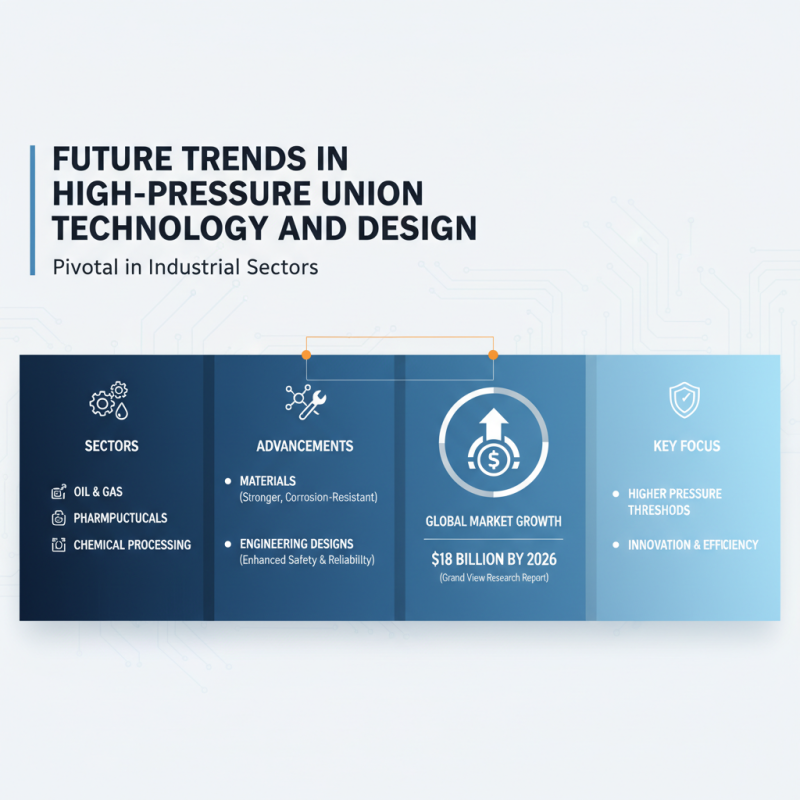
High-pressure unions are becoming pivotal in various industrial sectors, including oil and gas, pharmaceuticals, and chemical processing. In recent years, advancements in materials and engineering designs have enabled unions to withstand higher pressures while ensuring safety and reliability. According to a recent report by Grand View Research, the global market for high-pressure equipment is expected to reach $18 billion by 2026, indicating significant growth and innovation in this area.
Looking ahead, the design of high-pressure unions is evolving. Smart materials that respond to environmental changes are being integrated, enhancing performance and durability. This shift towards smart technology allows for real-time pressure monitoring. Yet, the industry faces challenges, such as the need for standardized testing methods. Reports suggest that up to 30% of high-pressure equipment fails due to inadequate testing. This raises questions about the effectiveness of current evaluation practices.
Furthermore, sustainability is becoming a focus in high-pressure union design. The demand for eco-friendly materials is increasing. Companies are exploring biodegradable composites and recyclable metals as viable alternatives. However, the transition is fraught with challenges. Balancing durability and environmental responsibility can be complex. This ongoing evolution suggests that while we are making strides, we still have significant ground to cover to meet both performance and sustainability goals.