What is Machining Parts and How Are They Made?
Machining parts play a crucial role in various industries. They are integral to manufacturing, automotive, aerospace, and many other sectors. The process of creating these parts requires precision and expertise. Machining involves removing material from a workpiece to shape it into the desired form.
Understanding how machining parts are made can deepen our appreciation for modern manufacturing. Techniques like CNC machining, turning, and milling contribute to the production of high-quality components. Each method has its advantages and challenges, impacting cost and efficiency.
However, not all machined parts meet expectations. The choice of materials and machining methods significantly influences the final product's quality. Evaluating these factors requires thought and experience. Adjustments may be necessary throughout the production process, underscoring the need for skilled operators. Overall, machining parts embody a balance of art and science, demanding continuous learning and adaptation in an ever-evolving field.
Overview of Machining Parts: Definition and Importance
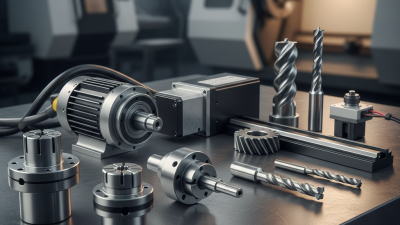
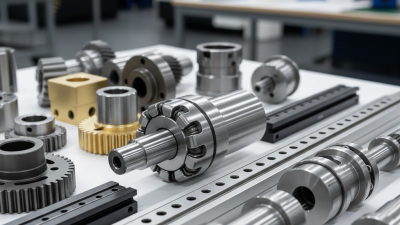
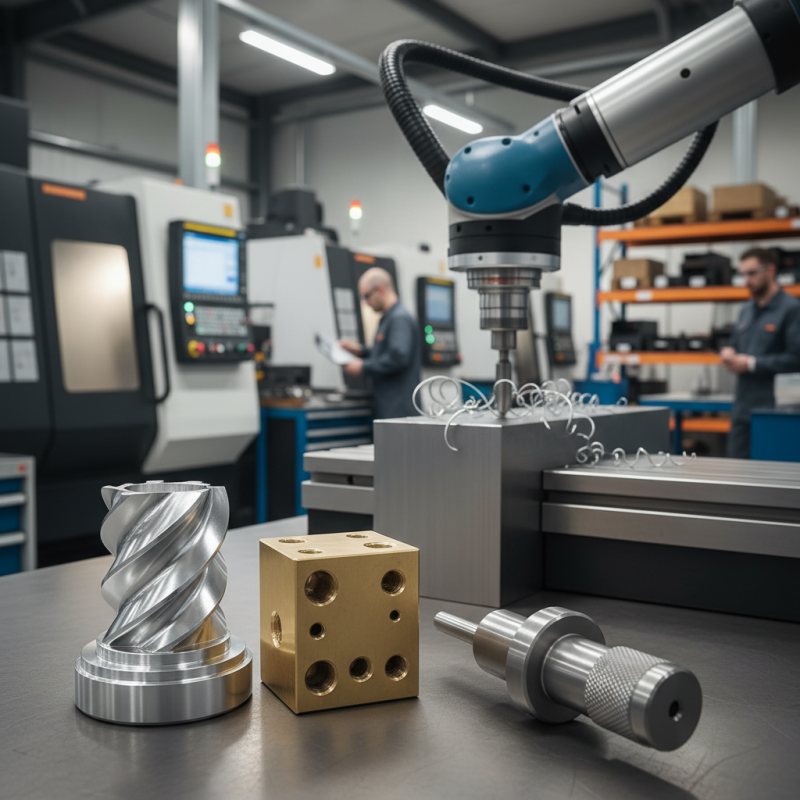
Machining parts are essential in various industries. They are defined as components created through precise material removal processes. This includes drilling, milling, and turning. These operations transform raw materials into functional pieces. The importance of machining parts cannot be overstated. They ensure accuracy and quality in production.
The process begins with selecting the right material. Metals, plastics, and composites are common choices. Specialized machines then carve these materials into specific shapes. Each machining technique has its strengths and weaknesses. For instance, milling is excellent for complex surfaces. However, it may leave behind rough edges that require further finishing. Understanding these nuances is critical for manufacturers.
Accuracy is vital for the functionality of parts. A small error in machining can lead to significant issues in assembly and performance. Quality control measures are necessary throughout the manufacturing process. This involves inspecting dimensions and tolerances. However, imperfect results can sometimes occur. Learning from these experiences helps improve future machining practices. Each project provides insights that lead to better techniques and enhanced quality.
Common Materials Used in Machining Parts Production
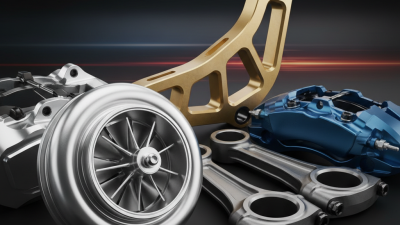
Machining parts are integral to many industries, and the materials chosen for their production significantly impact the final product’s performance. Common materials used include metals, plastics, and composites. Each material brings unique properties to the table. For example, aluminum is lightweight and corrosion-resistant, making it ideal for aerospace applications. Steel, on the other hand, is known for its strength and durability, often used in automotive manufacturing.
Plastics like nylon and polycarbonate offer versatility and can be machined into complex shapes. They are often used in electronic components due to their insulating properties. Composites, which combine different materials, provide enhanced performance in specialized applications. However, selecting the right material can be challenging, as it depends on factors like cost, machinability, and the specific demands of the application.
It is also essential to note the environmental impact of these materials. Many industries are moving towards sustainable practices, yet finding a balance between performance and eco-friendliness is not straightforward. This challenge raises questions about the future of material selection in machining, urging manufacturers to constantly innovate and rethink traditional approaches.
Key Machining Processes: Turning, Milling, and Drilling
Machining is a critical process in manufacturing, particularly in producing precise components. Three key machining processes are turning, milling, and drilling. Each plays a vital role in shaping materials into functional parts.
Turning is a machining process where a workpiece rotates against a stationary cutting tool. It is widely used for cylindrical parts, such as shafts. According to a recent industry report, turning accounts for approximately 28% of the total metal cutting market. This process excels in producing smooth finishes and precise dimensions. However, achieving consistency can be challenging, especially with varying material hardness.
Milling involves rotating a cutting tool to remove material from a stationary workpiece. It is versatile and can create complex shapes. Reports highlight that milling occupies about 42% of the machining market. While milling offers high precision, issues like tool wear can affect quality. The learning curve for complex milling operations can also be steep, posing challenges for operators and manufacturers.
Drilling, the third key process, focuses on creating holes in materials. It is crucial across various industries. Data shows that drilling represents roughly 20% of machining processes. Though efficient for straightforward tasks, it can lead to inaccuracies if not monitored closely. Each of these processes requires expertise to mitigate risks and ensure that the final product meets stringent specifications.
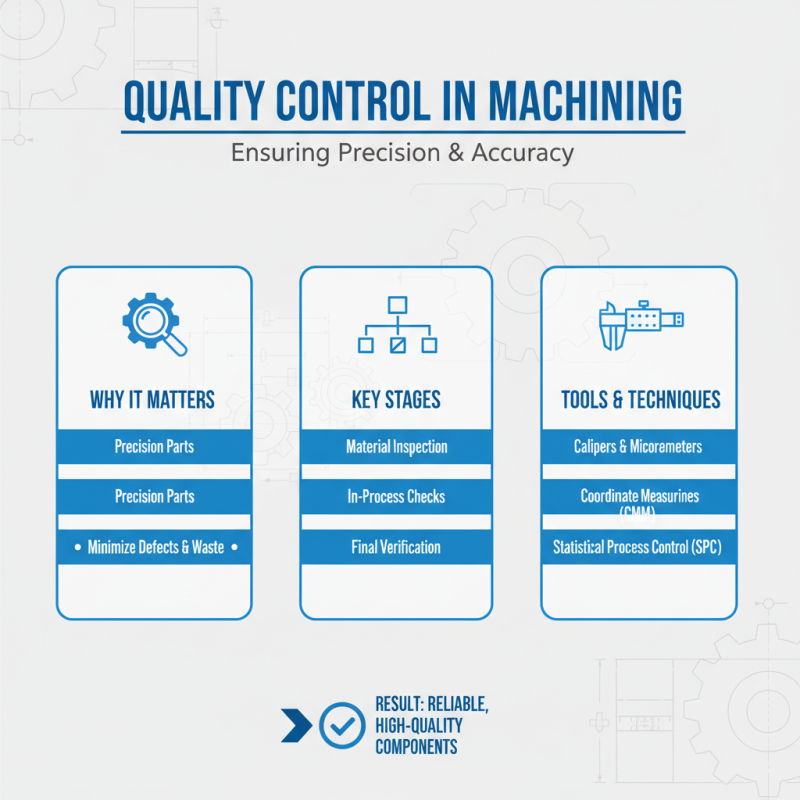
Quality Control in Machining: Ensuring Precision and Accuracy
Quality control in machining is vital for ensuring precision and accuracy in the parts produced. Machining involves various processes, all requiring meticulous attention to detail. Even minor deviations can lead to significant issues. Therefore, strict quality checks at each stage are essential. Professionals use precise measuring tools to ensure the dimensions meet specifications.
Tips for quality control include implementing regular calibration of measuring equipment. This helps maintain accuracy over time. Additionally, conducting random sample tests ensures that any issues are caught early. Make use of standardized inspection protocols. Consistency in these checks can greatly improve reliability.
Maintaining thorough documentation during the machining process can be beneficial. However, it's also important to acknowledge that human error can occur, and oversight may happen. Continuous training for workers on best practices can mitigate these risks. Fostering a culture of quality will ensure that everyone values precision and accuracy in the final products.
Innovations in Machining Technology: Trends and Future Directions
Innovations in machining technology have drastically transformed manufacturing. Precision machining has shifted from traditional methods to advanced techniques. Digital tools enhance accuracy and efficiency in production.
Additive manufacturing is a notable trend. This technology combines material layers to create complex parts. It enables rapid prototyping and reduces waste. However, achieving consistent quality can be challenging. Not all designs translate well into this format.
Another significant development is automation. Robotics are now prevalent in machining processes. They increase speed and reduce human error. Yet, reliance on technology raises questions about job displacement. The balance between innovation and employment needs careful consideration. Keeping human expertise in the loop is vital for sustainable progress.
What is Machining Parts and How Are They Made? - Innovations in Machining Technology: Trends and Future Directions
| Process |
Materials Used |
Applications |
Recent Innovations |
| CNC Machining |
Aluminum, Steel, Plastic |
Aerospace, Automotive, Electronics |
Automation, AI Integration |
| 3D Printing |
ABS, PLA, Titanium |
Medical Devices, Prototyping |
Material Development, Speed Improvements |
| EDM (Electrical Discharge Machining) |
Copper, Graphite |
Molds, Tooling |
Precision Improvements, Shorter Cycle Times |
| Laser Cutting |
Stainless Steel, Acrylic |
Signs, Architecture, Art |
Higher Resolution, Reduced Waste |


 0086-15925850312

 CONTACT NUMBER