Why Precision Aluminum Parts are Essential for Modern Manufacturing?
In today's manufacturing landscape, precision aluminum parts are more than just components. They represent a shift towards higher efficiency and reliability. These parts play a crucial role in various industries, from aerospace to automotive. Their lightweight nature and strength make them ideal for precision engineering.
Precision aluminum parts enable the production of intricate designs. They help manufacturers meet strict tolerances. However, the manufacturing process is not without challenges. Ensuring quality and consistency can be difficult. Often, the initial designs require multiple iterations to achieve perfection.
The importance of precision aluminum parts continues to grow. As technology advances, the demand for better performance increases. Manufacturers must adapt by refining their processes. This journey is marked by successes but also setbacks that warrant reflection. Incorporating these parts can lead to remarkable innovations, but there is always room for improvement.
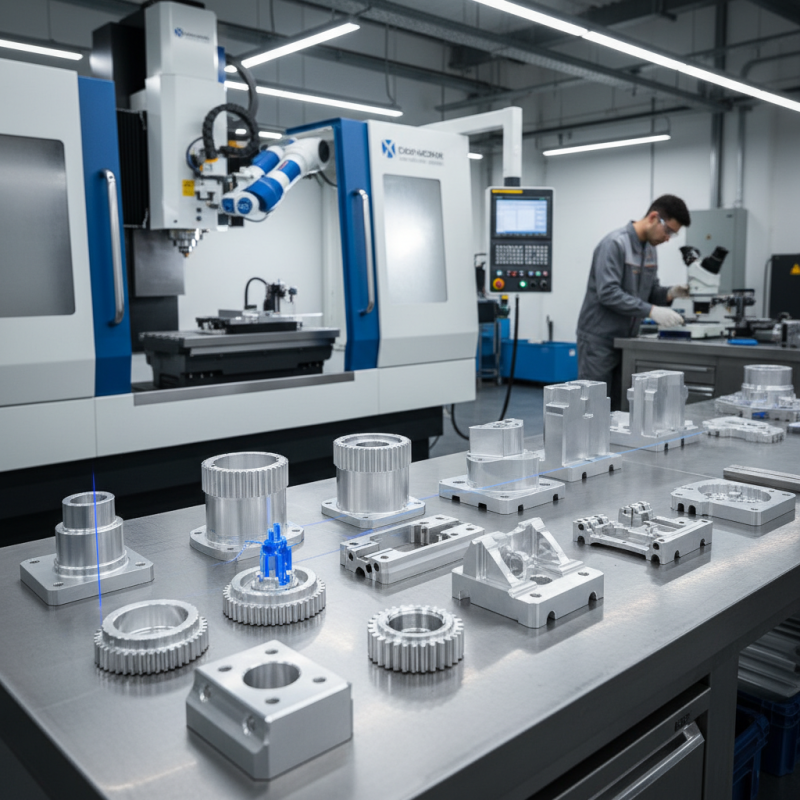
Importance of Precision in Modern Manufacturing Processes
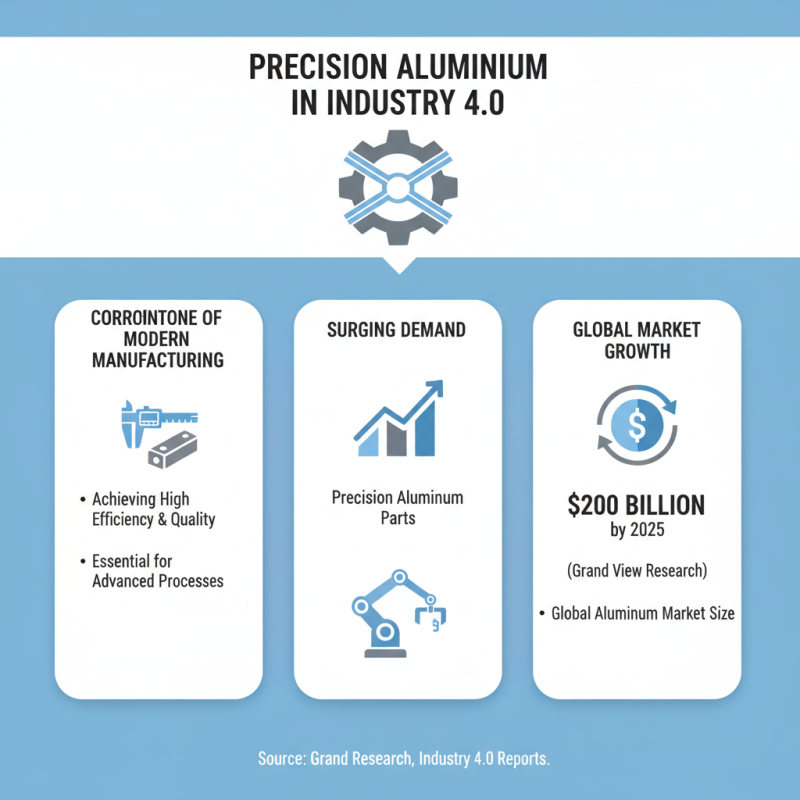
Precision is a cornerstone of modern manufacturing processes. With the rise of Industry 4.0, the demand for precision aluminum parts has surged. According to a report by Grand View Research, the global aluminum market size is projected to reach $200 billion by 2025. This growth underscores the essential role precision components play in achieving high efficiency and quality.
Accurate parts reduce waste significantly. A study from the National Institute of Standards and Technology found that precision machining can decrease material use by up to 20%. This is crucial, especially in industries where every ounce of material counts. Consumers need the assurance that products will perform reliably. Flaws in precision can lead to costly recalls or failures.
However, there are challenges. Achieving precision is not always straightforward. Variability in raw materials can lead to inconsistencies in final products. Advanced manufacturing technologies can mitigate these issues, but they require significant investment. Companies must weigh the costs against potential gains. Reflecting on these aspects is vital as industries strive for a balance between precision and cost-effectiveness.
Key Advantages of Using Aluminum in Precision Parts
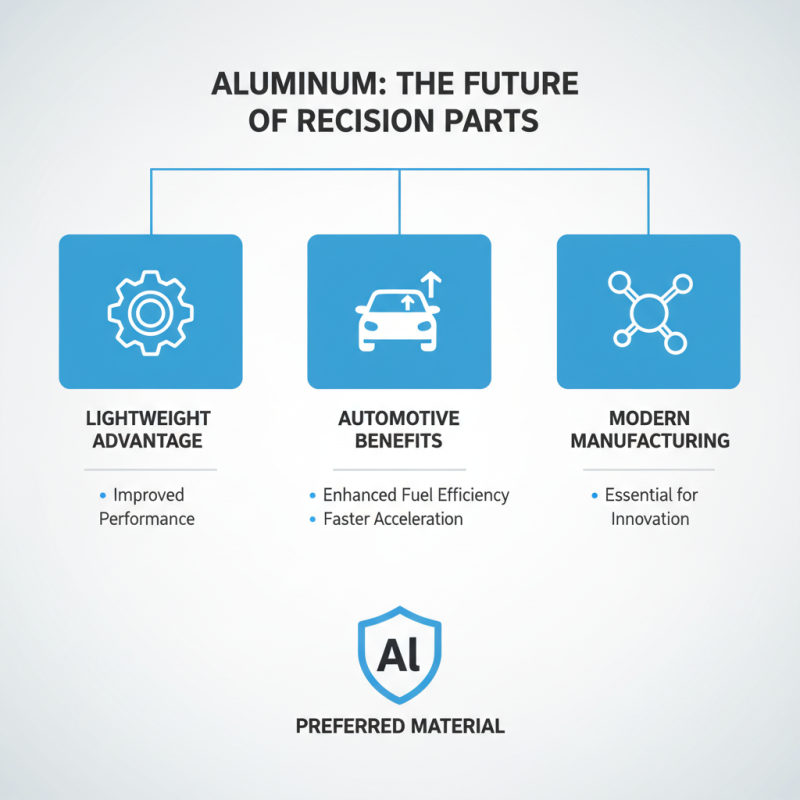
Aluminum has become a preferred choice in the manufacturing of precision parts. Its lightweight nature offers an edge in various industries. Engineers often seek reductions in weight to enhance performance. For example, automotive parts made from aluminum contribute to better fuel efficiency and acceleration. This is not just a trend; it’s a necessity for modern manufacturing.
Another key advantage of aluminum is its excellent corrosion resistance. Like steel, aluminum can withstand harsh environments, but it weighs significantly less. This quality makes it ideal for industries such as aerospace and marine. However, some manufacturers struggle to balance the durability and cost-effectiveness of aluminum. Finding the right alloy can be tricky. There are many grades and types, and not all of them suit every application.
Additionally, aluminum offers exceptional thermal and electrical conductivity. This is highly beneficial for parts like heat sinks and electrical components. However, as with any material, there can be challenges. The machining process can be more complex than anticipated. Unforeseen problems may arise during production. Careful planning and precise execution are crucial in realizing aluminum's full potential in precision parts.
Applications of Precision Aluminum Parts Across Industries
Precision aluminum parts play a crucial role in numerous industries. The aerospace sector, for instance, relies heavily on these components for aircraft structure and engine parts. According to a recent industry report, about 80% of aircraft components use aluminum due to its lightweight properties. This directly impacts fuel efficiency and overall performance.
The automotive industry also benefits from precision aluminum parts. A study indicated that vehicles made with aluminum parts consume 10% less fuel compared to their steel counterparts. These components contribute to lighter and more efficient vehicles. Yet, the challenge of balancing cost and performance remains a concern for manufacturers.
Medical devices require exceptional precision and reliability. Many instruments, such as surgical tools and diagnostic equipment, are made from precision aluminum. The tolerance levels must meet stringent standards, which can be daunting. There are times when sourcing materials could lead to delays or compromises in quality. Adjustments and refinements in the process are always necessary. Nonetheless, the demand for precision aluminum parts continues to grow, reflecting their essential role across diverse industries.
Challenges in Manufacturing Precision Aluminum Components
Manufacturing precision aluminum components presents numerous challenges. Achieving accuracy is difficult. Tolerances can be tight. Small errors can lead to significant problems. For example, a slight miscalculation in measurement may result in parts that do not fit together properly.
Machining aluminum requires specialized tools and techniques. Maintaining consistent quality is key. Variations in temperature or tooling can affect the final product. These fluctuations can compromise the integrity of the parts. Moreover, the recycling of aluminum adds another layer of complexity. Impurities must be managed carefully to ensure high-quality outputs.
Additionally, specialized knowledge is necessary to navigate these challenges. Many manufacturers struggle with skill gaps in their workforce. This skills shortage can slow down production and increase costs. Innovative methods and continuous learning are essential to overcome these hurdles. Investing in training can help bridge this gap. However, adaptation takes time and effort. Reflecting on these issues is critical for improvement.
Challenges in Manufacturing Precision Aluminum Components
Future Trends in Precision Aluminum Manufacturing Technologies
In the rapidly evolving landscape of manufacturing, precision aluminum parts have become pivotal. Future trends indicate a shift toward more advanced manufacturing technologies that improve precision and efficiency. Emerging techniques like additive manufacturing are redefining how aluminum parts are produced. This trend allows for more complex designs and reduces waste, making production greener.
Tips: Consider embracing new technologies, but assess their costs and benefits carefully. Not every advance is suitable for all projects.
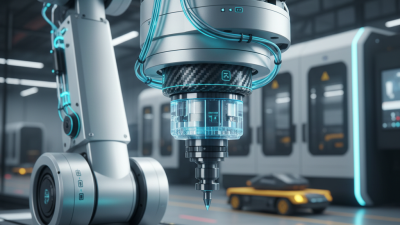
Automation also plays a crucial role. Robotics and AI are enhancing the precision and speed of aluminum part fabrication. Yet, this comes with challenges. The integration of new systems can lead to disruptions. It’s vital to ensure your workforce is trained for these technologies.
Tips: Regular training sessions can help mitigate the learning curve. Encourage feedback from your team on new processes. This can highlight areas needing improvement.
Why Precision Aluminum Parts are Essential for Modern Manufacturing? - Future Trends in Precision Aluminum Manufacturing Technologies
| Dimension |
Specification |
Application |
Future Trends |
| Tolerances |
±0.001 inches |
Aerospace Components |
Increased automation in machining processes |
| Surface Finish |
Ra 0.4 to 1.6 μm |
Medical Devices |
Advancements in surface treatment technologies |
| Weight |
12 kg/m³ |
Automotive Parts |
Development of lightweight materials |
| Production Volume |
1000-10000 parts/month |
Electronics Housings |
Smart manufacturing and IoT integration |
| Finish Type |
Anodized, Painted |
Consumer Products |
Sustainable finishing processes |


 0086-15925850312

 CONTACT NUMBER