Top 10 High Pressure Unions You Should Know About?
In the world of high-pressure systems, understanding "High-Pressure Unions" is crucial for safety and efficiency. Industry expert Dr. Emily Carter states, “The reliability of high-pressure unions can make or break a project.” Her insights shed light on the importance of selecting the right materials and designs for optimal performance.
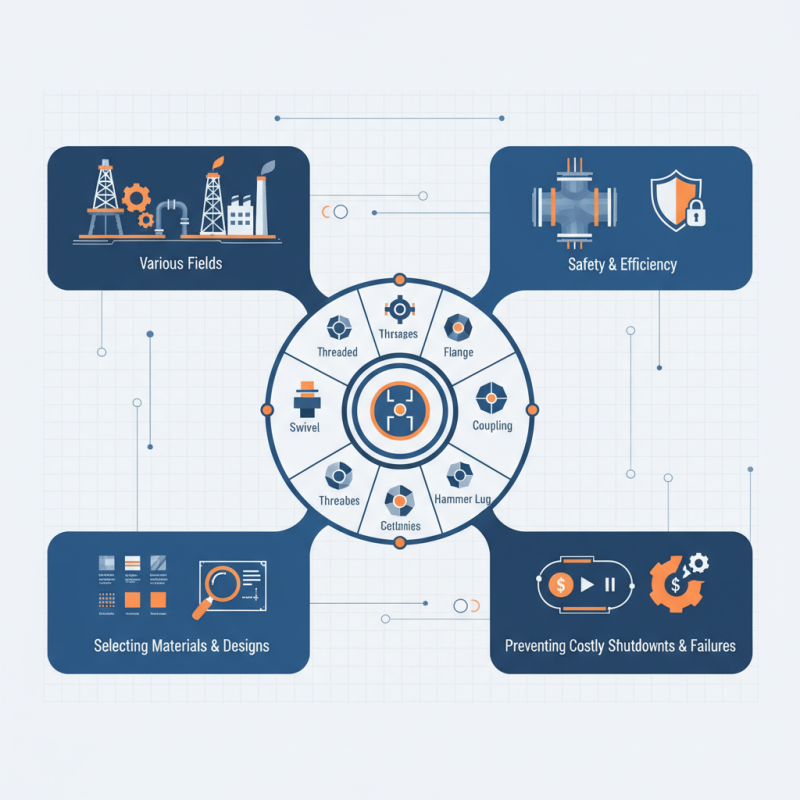
High-pressure unions are essential in various fields, from oil and gas to chemical processing. They need to withstand extreme conditions. Choosing the appropriate union can prevent leaks and system failures. These failures often lead to costly shutdowns or safety incidents. Even seasoned professionals must continuously evaluate their choices.
Navigating the complexities of high-pressure unions requires expertise. The market is filled with options that vary significantly in quality and durability. Some unions may promise high performance but fail in real-world conditions. A careful analysis and understanding of each product’s characteristics can save time and resources. Ultimately, the focus should be on reliable solutions that ensure system integrity.
The Importance of High Pressure Unions in Industrial Applications
High-pressure unions play a critical role in various industrial applications, particularly in oil and gas, chemical processing, and water treatment. These components ensure seamless fluid transfer under extreme conditions. According to a report by the International Energy Agency, approximately 25% of industrial accidents are linked to equipment failure. This highlights the importance of using reliable high-pressure unions to minimize risk.
In industries operating at pressures exceeding 10,000 psi, quality must not be overlooked. Materials used for high-pressure unions need to withstand corrosion and fatigue. The American Society for Testing and Materials (ASTM) provides stringent guidelines that manufacturers must follow. Failure to comply can lead to catastrophic failures.
Not all unions are created equal. Counterfeit or subpar unions can fail under pressure, leading to costly downtime. The market needs to ensure robustness and reliability. A significant percentage of operators reported experiencing issues with low-quality components. Investing in high-quality unions can save time and resources in the long run.
Overview of Different Types of High Pressure Unions
High-pressure unions are essential components in various industrial applications. They provide secure connections in systems that operate under high stress and extreme conditions. Different types of high-pressure unions cater to distinct needs, ensuring efficiency and safety.
There are several types of high-pressure unions. One common type is the threaded union. It uses male and female threads for assembly. This design can withstand considerable pressure, making it ideal for gas or liquid systems. Another type is the flange union, which offers a larger surface area for connection. It is suitable for larger pipes and can handle significant stress, but installation may require more space.
Selecting the right high-pressure union involves understanding its materials and design. Stainless steel unions are popular due to their strength and resistance to corrosion. However, they may not always be the best choice for extremely high temperatures. Alternatives like brass or carbon steel unions could be more effective in such environments. It's crucial to consider factors like application type and environmental conditions when choosing the right union. Each type has its advantages and drawbacks, which means careful evaluation is necessary.
Top 10 High Pressure Unions You Should Know About
| Union Type |
Pressure Rating (psi) |
Material |
Connection Type |
Temperature Range (°F) |
| Threaded Union |
10,000 |
Stainless Steel |
Threaded |
-40 to 400 |
| Socket Weld Union |
6,000 |
Carbon Steel |
Socket Weld |
-20 to 300 |
| Buttweld Union |
8,500 |
Alloy Steel |
Buttweld |
-20 to 300 |
| Flanged Union |
5,000 |
Ductile Iron |
Flanged |
0 to 250 |
| Compression Union |
3,000 |
Brass |
Compression |
-40 to 200 |
| Clamp Union |
4,000 |
Plastic |
Clamp |
-30 to 150 |
| End Cap Union |
7,500 |
Copper |
End Cap |
-40 to 400 |
| Tee Union |
6,200 |
PVC |
Tee |
-10 to 140 |
| Cross Union |
5,500 |
Bronze |
Cross |
-20 to 260 |
| Reducing Union |
9,000 |
Stainless Steel |
Reducing |
-40 to 400 |
Key Materials Used in High Pressure Union Manufacturing
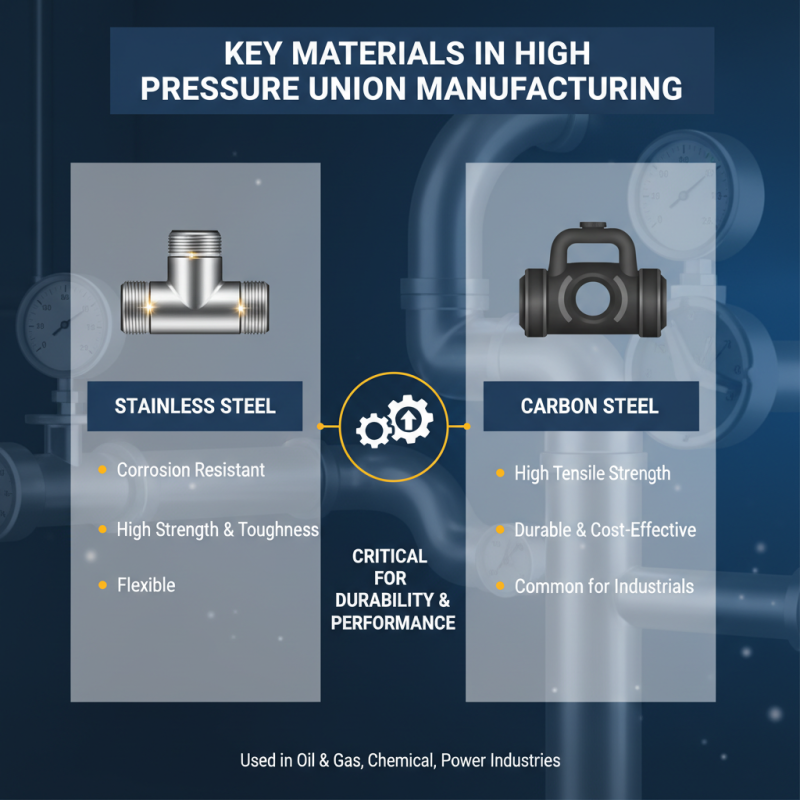
High pressure unions are critical components in various industrial applications. The materials used in their manufacturing directly impact their performance and durability. Commonly, stainless steel and carbon steel are preferred due to their high strength and resistance to corrosion. Stainless steel possesses a unique balance of toughness and flexibility, making it ideal for high-pressure scenarios.
Other materials like brass and special alloys also find their applications. Brass unions are often used for lower pressure requirements, thanks to their malleability. Meanwhile, special alloys can withstand extreme conditions and maximize the lifespan of the unions. This selection of materials illustrates the complexities involved in manufacturing high pressure unions.
Manufacturers sometimes face challenges in sourcing the right materials. Not every facility can guarantee the same level of quality, leading to potential risks. Insufficient knowledge about material properties can result in misuse. Consequently, it becomes essential to understand material specifications before application. Engaging with experts ensures better decision-making in selecting the most suitable materials for high pressure unions.
Criteria for Selecting the Right High Pressure Union
When selecting the right high pressure union, several criteria warrant your attention. The material is crucial. Common options include stainless steel and carbon steel. Each has its advantages and drawbacks. Stainless steel offers high corrosion resistance but can be more expensive. Carbon steel is budget-friendly but may require additional coatings to resist rust.
Pressure rating matters significantly. High pressure unions are rated for specific pressures. Exceeding these ratings can lead to failures. Always check compatibility with your system’s requirements. Size and threading are also essential. A mismatched size can cause leaks. Thread standards may vary, so ensure that the connection fits perfectly.
Installation ease is another factor to consider. Some unions come with features that simplify the process. Others may require specialized tools. Weigh the complexity against your team’s skills. Lastly, consider the availability of maintenance parts. This can save time and costs in the long run. Ultimately, assessing these elements will help in making an informed choice.
Top 10 High Pressure Unions
Maintenance and Safety Considerations for High Pressure Unions
When working with high pressure unions, maintenance is crucial.
Regular inspection helps prevent leaks. According to a recent industry report, nearly 30% of operational failures in high pressure systems stem from improper maintenance. This statistic highlights the need for a routine check on seals, threads, and bolt connections. Any signs of wear or corrosion should be addressed immediately.
Safety considerations also play a significant role. High pressure systems can pose serious risks if not managed properly. Data from the High Pressure Safety Board indicates that mishandling can lead to catastrophic failures, sometimes resulting in injury or loss of life. Operators must wear appropriate personal protective equipment (PPE). They should also ensure that safety relief valves are functional. Regular training sessions can help reinforce safety protocols among staff.
Inspecting connections for tightness is essential. Loose unions can create hazardous conditions. Using torque wrenches to verify recommended settings can make a difference. Furthermore, documenting maintenance procedures will facilitate better tracking of any recurring issues. A proactive approach can extend the lifespan of these critical components and enhance overall system reliability.


 0086-15925850312

 CONTACT NUMBER