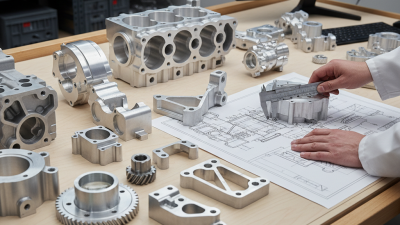
Top 10 Cnc Auto Parts You Need for Optimal Performance?
In the realm of precision engineering, Cnc Auto Parts play a crucial role in enhancing performance. According to industry expert John Anderson, "Quality auto parts can make or break your CNC machine." Understanding which components to prioritize can significantly impact efficiency and longevity.
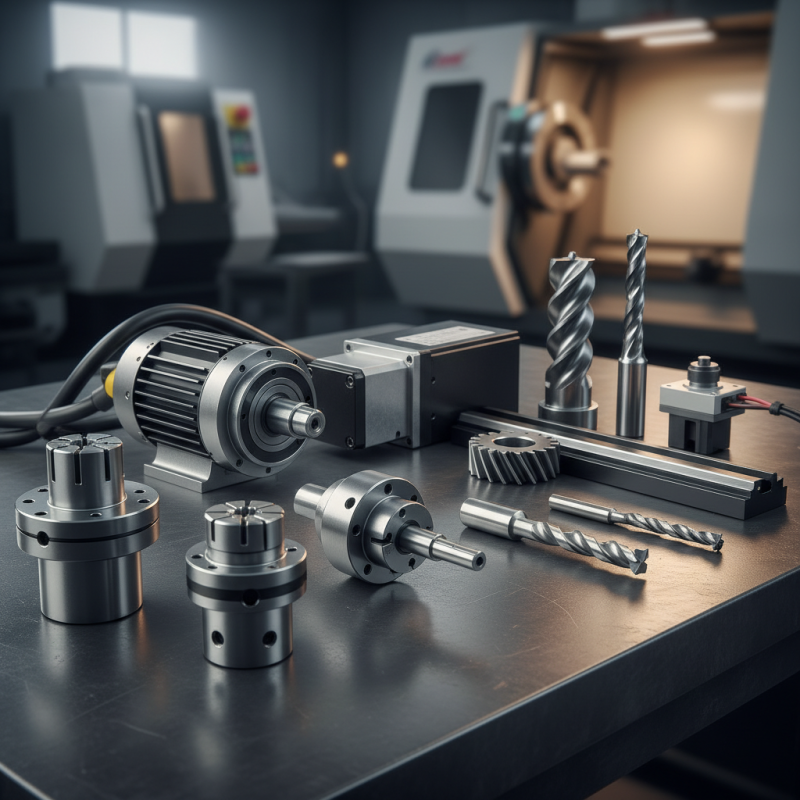
Many users overlook the importance of selecting the right Cnc Auto Parts. For example, ensuring proper tool holders and spindles can lead to improved accuracy. However, some businesses may focus solely on low costs, neglecting quality. This can result in increased downtime and repairs, hindering overall productivity.
Maximizing the efficiency of CNC machinery requires careful selection and understanding of key components. From robust drive systems to precision cutting tools, every part contributes to optimal performance. Reflecting on choices can lead to better outcomes and improved investment in quality.
Essential CNC Components for Enhanced Auto Parts Performance
When it comes to enhancing the performance of auto parts, the right CNC components play a crucial role. Precision machining delivers accuracy in manufacturing. This ensures that each part fits seamlessly into the vehicle. Quality materials can reduce wear and tear over time. It minimizes maintenance issues, leading to better longevity and reliability.
Considering that CNC technology allows for complex designs, choosing the right components is essential. For instance, high-quality spindles can directly affect cutting speed and precision. Tool holders need to maintain rigidity during machining to prevent vibrations. Furthermore, your choice of cutting tools determines efficiency and finish quality. There’s often a temptation to opt for cheaper alternatives, which might fail under pressure. This is a critical aspect that should never be overlooked.
Another area to reflect on is software compatibility. The CNC setup must align with the required design specifications. Inaccurate setups can lead to costly mistakes and wasted materials. Investing in simulation software can help visualize the end product, revealing potential flaws early on. Every detail matters in the world of CNC machining. Skimping on any part may lead to inefficiencies. Consider this carefully for optimal auto performance.
Understanding the Role of CNC Machining in Auto Parts Production
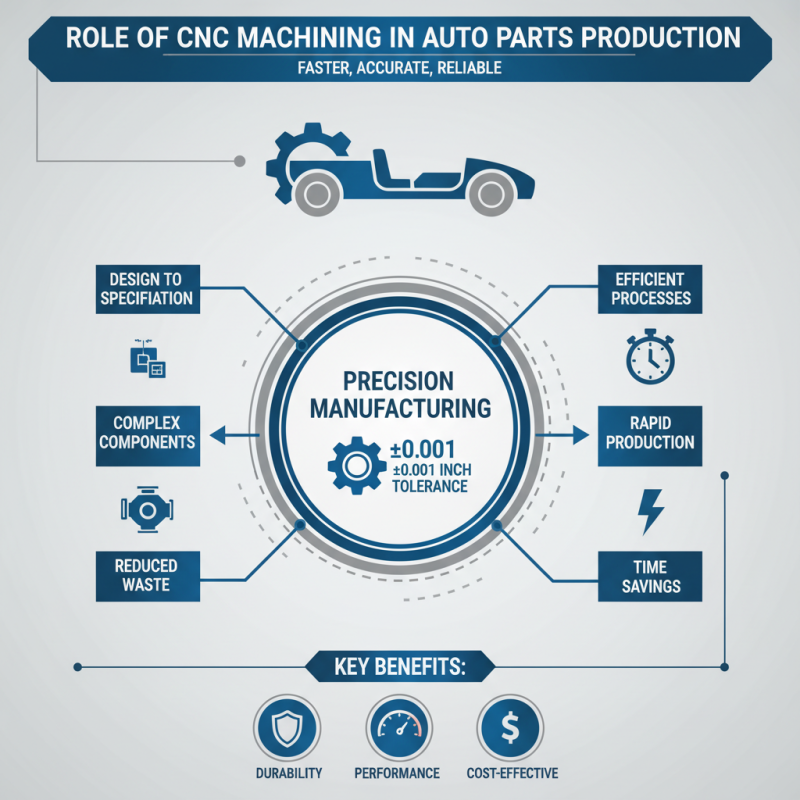
CNC machining plays a crucial role in the production of auto parts. It allows for precise and efficient manufacturing processes. Manufacturers can create complex components quickly. This precision reduces waste and saves time. With CNC machines, parts are designed to exact specifications. Tolerances can be as tight as one thousandth of an inch. This level of accuracy is essential in the automotive industry.
Moreover, CNC machining offers flexibility in production. Changes in design can be handled swiftly. However, not all CNC processes are flawless. Sometimes, minor errors occur during the machining process. These errors can affect the fit and function of parts. Regular inspection and adjustments are necessary. This ongoing process can be time-consuming but is vital for quality assurance.
Understanding the role of CNC machining can enhance automotive performance. It streamlines production and improves part durability. Yet, it requires continuous monitoring. Optimizing CNC processes is an ongoing challenge. Manufacturers must remain vigilant to maintain high standards. Balancing efficiency and quality can be quite complex. The automotive industry must keep pushing boundaries to achieve the best results.
Top CNC Materials for Durable and Reliable Auto Components
When it comes to manufacturing durable and reliable auto components, the choice of CNC materials is critical. Aluminum alloys, for example, are lightweight yet strong, making them ideal for auto parts. According to a recent industry report, aluminum is used in 75% of automotive applications due to its excellent strength-to-weight ratio. Steel is another popular choice, valued for its toughness and ability to withstand stress. In many racing applications, high-strength carbon steel shows superior performance in high-stress environments.
CNC machining allows for precise modifications in design that enhance the overall functionality of auto parts. However, not all materials are created equal. Using lower-grade plastics might reduce production costs initially, but they often lead to failures in high-performance situations. A common oversight is underestimating the impact of temperature fluctuations on material durability. Be mindful of the environment where the components will operate.
Tips: Always evaluate the specific needs of your application. Consider the operational environment to select the right material. Regular maintenance checks can help identify any material fatigue before it leads to component failure. Making informed decisions about material choice will greatly influence your vehicle's performance.
Top 10 CNC Auto Parts for Optimal Performance
Key Customization Options in CNC Auto Parts Manufacturing
Customization is key in CNC auto parts manufacturing. Choosing the right materials can greatly affect performance.
Aluminum is lightweight but less durable. Steel offers strength but adds weight. Think carefully about your needs.
When it comes to surface finishes, options range from anodizing to powder coating. Each finish serves a purpose.
Anodizing enhances corrosion resistance, while powder coating provides a colorful aesthetic. Decide based on functionality versus style.
Tips: Always test prototypes to evaluate performance. Each customized part should meet specific requirements. Adjustments may be necessary after the initial production.
Don't overlook the importance of detail in the design process; even small changes can lead to significant improvements.
Balancing cost and quality is challenging but vital.
Think critically and be prepared to adapt your approach.
Maintenance Tips for Maximizing CNC Auto Parts Efficiency
Proper maintenance of CNC auto parts is critical for achieving optimal performance. Regular servicing can reduce downtime and prevent costly repairs. According to a report by the National Institute of Standards and Technology, poorly maintained CNC machinery can lead to efficiency drops of over 30%. This emphasizes the importance of consistent maintenance protocols.
Checking lubrication levels is a key maintenance tip. Insufficient lubrication can cause wear and tear on components. A study by the Society of Manufacturing Engineers indicated that 20% of all machinery failures are linked to lubrication issues. It's essential to monitor grease and oil levels frequently. Additionally, keeping machine components clean can enhance operational efficiency. Dust and debris can hinder precision, risking accuracy in production.
Moreover, regularly inspect and calibrate CNC machines. Misalignment can lead to scrap materials and financial losses. An estimated 15% of a company’s revenue may be lost through manufacturing defects caused by neglect. Remember, proactive maintenance is more cost-effective than reactive repairs. Automation in maintenance checks can help, but human oversight is still crucial. It would be a mistake to rely solely on technology. Embracing an integrated approach can maximize the lifespan of CNC auto parts.
Top 10 CNC Auto Parts You Need for Optimal Performance
| Part Name |
Material |
Purpose |
Maintenance Tips |
| CNC Spindle |
Steel |
Rotational Power |
Regular lubrication and check for wear |
| Linear Guideways |
Aluminum |
Support Movement |
Keep clean and apply grease regularly |
| Ball Screws |
Bearing Steel |
Translational Movement |
Check for backlash and maintain lubrication |
| CNC Controller |
Plastic/Metal |
Automation Control |
Regular software updates and backups |
| Cooling System |
Copper/PVC |
Heat Management |
Check fluid levels and clean filters |
| Chuck |
Steel |
Secure Workpieces |
Inspect clamping force and clean jaws |
| Tool Holders |
Aluminum/Steel |
Hold Cutting Tools |
Keep clean and check for wear |
| Sensors |
Silicon |
Measurement |
Test functionality regularly |
| Pressure Regulators |
Brass |
Pressure Control |
Check for leaks and calibrate regularly |


 0086-15925850312

 CONTACT NUMBER