Top Cnc Machine Mechanical Parts You Need for Optimal Performance?
In today's competitive manufacturing landscape, optimizing CNC machine performance is critical. Understanding the role of CNC Machine Mechanical Parts is essential. A recent report by the International Federation of Robotics highlights that over 2.7 million industrial robots are operating worldwide, making efficient machine parts more important than ever.
Dr. John Smith, a leading expert in CNC technology, stated, "Quality mechanical parts are the backbone of effective CNC operations." This highlights the need for precision-engineered components, like ball screws and linear guides. The right parts lead to reduced downtime and increased output. Yet, many businesses overlook the importance of maintaining these mechanical systems.
Numerous manufacturers fail to assess their CNC machine parts regularly. Inadequate maintenance often results in costly repairs and lost productivity. Investing in high-quality CNC Machine Mechanical Parts can enhance reliability. Industry analysts recommend regular audits to identify weak spots. Focusing on these components can ultimately drive success.
Essential CNC Machine Components for Enhanced Efficiency
CNC machines are essential in modern manufacturing. Their efficiency is tied closely to their components. High-quality mechanical parts can drastically enhance performance. According to a report by International Journal of Advanced Manufacturing Technology, more than 30% of production downtime is due to component failures.
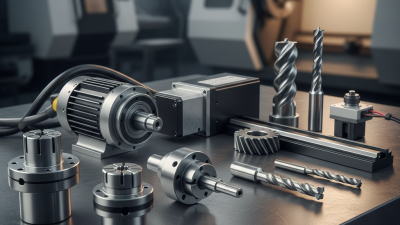
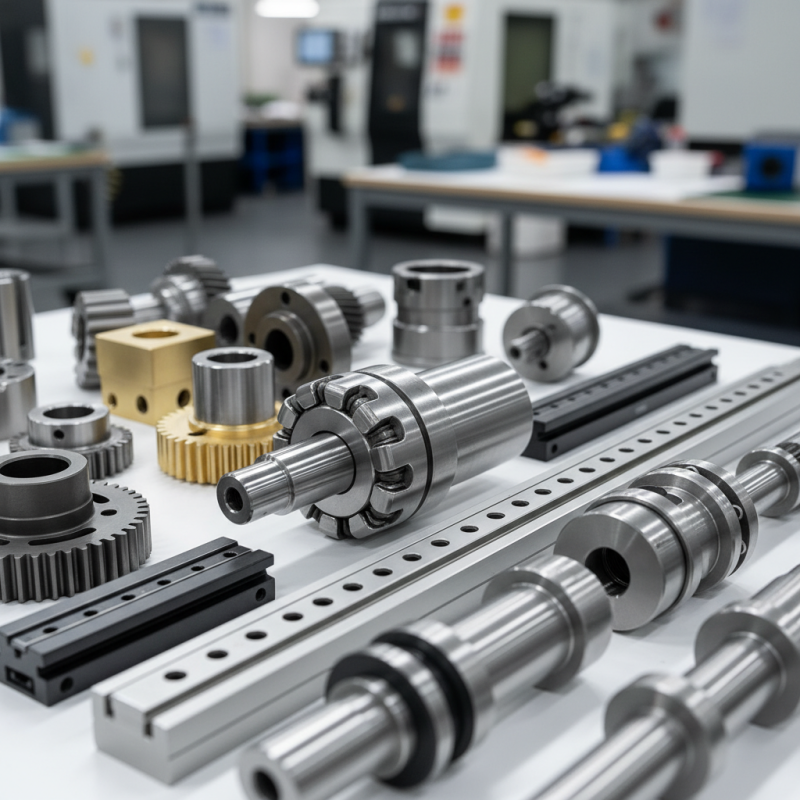
Key components include spindles, ball screws, and linear guides. Spindles are responsible for rotational movements, generating high speeds. Low-quality spindles can lead to vibrations, affecting precision. Ball screws translate rotational motion into linear motion. If they wear out, backlash can occur, lowering accuracy. Linear guides ensure smooth movement along axes. Inadequate guides can result in stuttering motions or misalignment.
Regular maintenance is crucial. Ignoring minor issues may lead to bigger problems. Lubrication routines often get overlooked. A report from CNC Magazine indicated that poor lubrication can increase wear by up to 40%. Upgrading parts may seem expensive, but it often pays off in efficiency gains and reduced downtime. Choosing the right parts is vital for achieving desired productivity levels. Consider the balance between cost and performance carefully.
Key Mechanical Parts for Precision CNC Operations
CNC operations rely heavily on precise mechanical parts. Understanding these components is crucial for achieving optimal performance. High-quality linear guides, ball screws, and spindle bearings play vital roles. According to industry reports, using precision linear guides can enhance positioning accuracy by up to 20%. This can significantly improve product quality.
Ball screws convert rotational motion into linear motion efficiently. Their accuracy affects overall machining precision. Industry data shows that precision ball screws can improve feed rates by nearly 30%. However, improper installation can lead to misalignment issues. Regular calibration is essential to avoid common pitfalls.
Spindle bearings hold the spindle in place, ensuring smooth rotation. The right bearings minimize vibration, which can lead to defects. Studies indicate that using high-performance spindle bearings can increase tool life by 25%. Yet, many operators overlook the need for regular maintenance. Ignoring this can lead to performance drops over time.
Top CNC Machine Mechanical Parts Performance Comparison
Importance of Material Quality in CNC Machine Parts
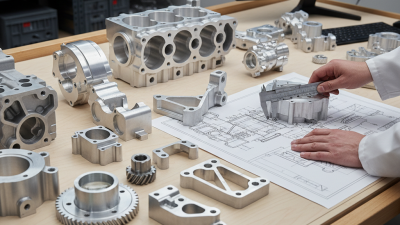
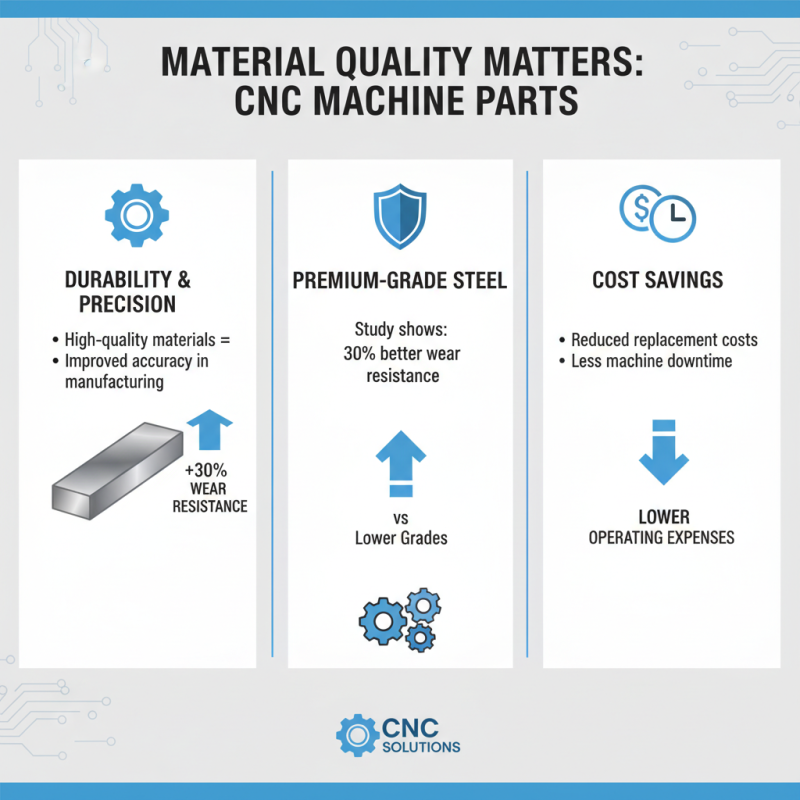
Material quality plays a crucial role in the performance of CNC machine parts. High-quality materials can significantly improve durability and precision. According to a study, machines made of premium-grade steel exhibit up to 30% improved wear resistance compared to lower grades. This means that investing in better materials can reduce replacement costs and downtime.
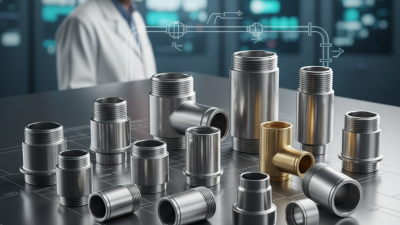
When selecting parts, consider the environment they will operate in. For instance, stainless steel is often used in corrosive environments. On the other hand, aluminum is favored for its lightweight properties. However, aluminum may not withstand heavy wear as well as steel. Always match the material with intended use.
Tips: Always request material certifications. Check for industry standards that the manufacturers comply with. This can save you from poor performance later. Regularly inspect parts for signs of wear. It helps in making informed decisions about replacement before a failure occurs. A proactive approach can lead to enhanced operational efficiency.
Upgrading CNC Machine Parts for Improved Performance
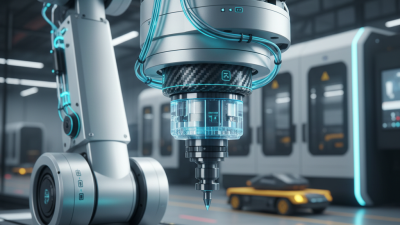
Upgrading CNC machine parts can significantly enhance performance. It’s essential to evaluate areas where improvements can be made. For instance, consider the spindle, which plays a vital role in the machine’s overall efficiency. A high-quality spindle can reduce vibration, resulting in smoother operation. You might notice that a noisy spindle not only affects precision but can also shorten the machine's lifespan.
The feed system is another crucial component to upgrade. A reliable feed system ensures proper material handling. If your current setup frequently jams or skips, it’s time for a change. Implementing a better drive mechanism can drastically improve speed and responsiveness. However, remember that not every upgrade is straightforward. Compatibility issues may arise, leading to unexpected challenges in installation.
Investing in tool holders can also yield significant results. Proper tool holders improve tool life and accuracy. Many users overlook this aspect, leading to frequent tool changes and downtime. Sometimes, it’s a tough lesson to learn when precision suffers. Reflecting on these little elements will give you a new perspective on successful upgrades.
Maintenance Tips for Prolonging CNC Machine Parts Lifespan
Maintaining CNC machine parts is crucial for their longevity. Regular cleaning can prevent dust buildup, which can affect performance. Use a soft brush to remove debris. Don't forget to inspect the lubrication system frequently. Proper lubrication reduces friction and wear, extending the life of mechanical parts.
Pay attention to wear and tear. Look for signs like unusual noise or vibration. These could indicate problems. Replace worn-out components before they fail completely. Keep replacement parts on hand to avoid downtime. It's a small investment for peace of mind.
Temperature control is also essential. Excess heat can damage critical parts. Ensure cooling systems are effective and free from blockages. Additionally, always follow safety protocols to prevent accidents during maintenance. Remember, proactive measures can significantly enhance the performance and lifespan of CNC machines. Small actions today lead to big improvements tomorrow.
Top CNC Machine Mechanical Parts You Need for Optimal Performance - Maintenance Tips for Prolonging CNC Machine Parts Lifespan
| Mechanical Part |
Function |
Maintenance Tips |
Lifespan (Approx) |
| Ball Screw |
Converts rotary motion to linear motion for precise movements. |
Regular lubrication and checking for wear. |
5-10 years |
| Linear Guideway |
Provides smooth linear motion along the axes. |
Keep clean and lubricated to reduce friction. |
10-15 years |
| Spindle |
Holds and spins the cutting tool at high speeds. |
Regularly check bearings and coolants; avoid overheating. |
3-7 years |
| Chassis |
Main support structure that holds all components. |
Inspect for any cracks or deformations regularly. |
Indefinite if maintained |
| Belt or Chain Drive |
Transfers motion from motor to moving parts. |
Check tension and wear; replace as necessary. |
5-8 years |


 0086-15925850312

 CONTACT NUMBER