


 0086-15925850312




01
Ningbo’s Foundry Industry Embraces Innovation Amid Global Demand Surge
2025-03-14
Technological Advancements and Green Transition
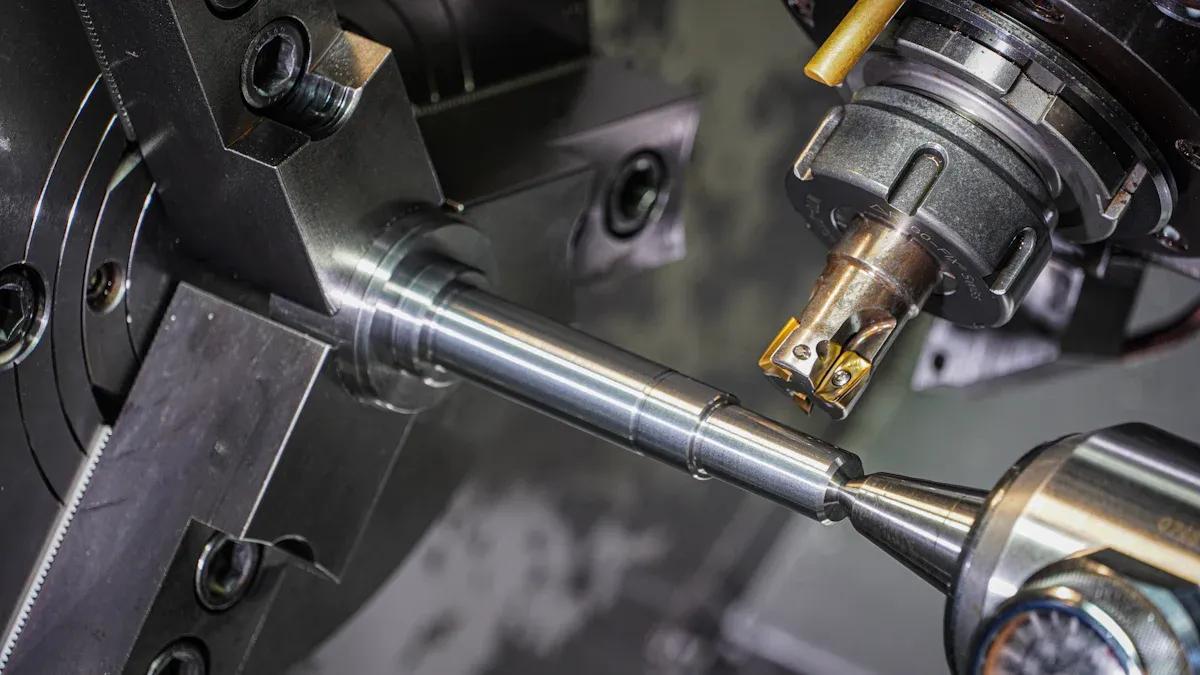
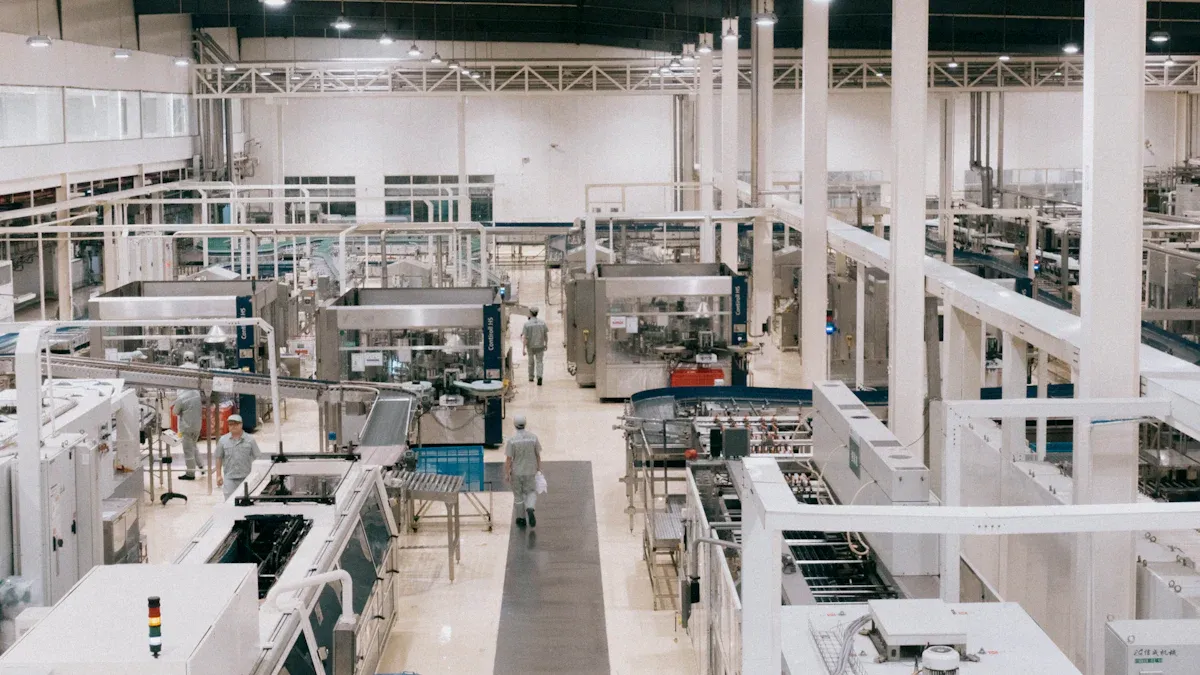
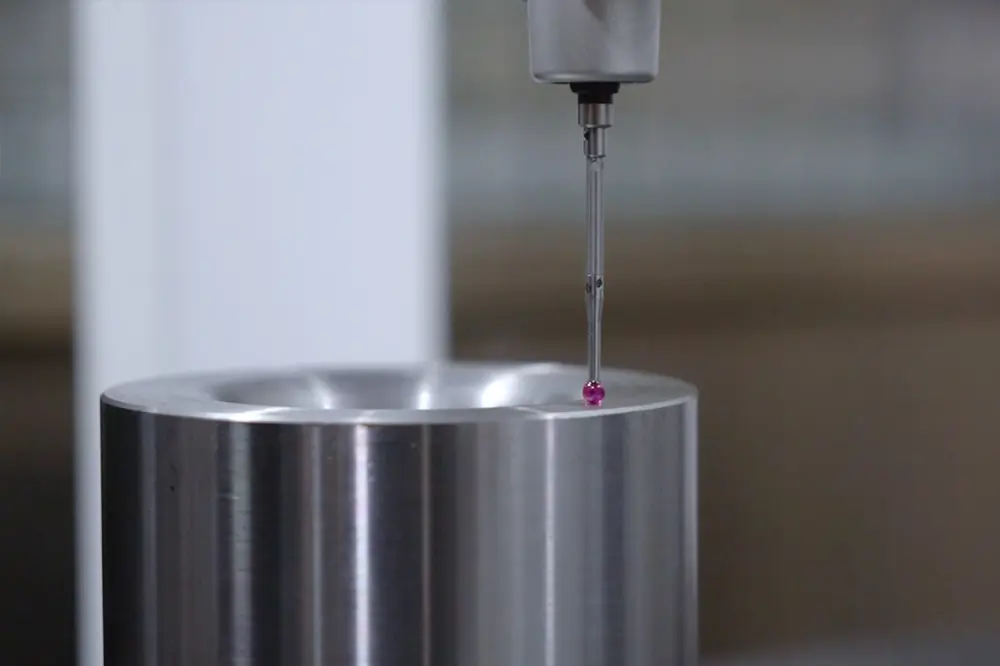
Local enterprises are accelerating investments in smart manufacturing and eco-friendly practices. For instance, Ningbo Yinzhou Haochu Machinery Manufacturing Co., Ltd., a key player in the region, has integrated AI-driven quality control systems and adopted low-emission melting technologies, reducing carbon footprints by 25% since 2022 while cutting energy consumption by 18% and improving defect detection accuracy to 99.7%. Similarly, government-backed initiatives, such as the Ningbo Green Foundry Development Plan, offer subsidies covering up to 30% of equipment upgrade costs for companies transitioning to energy-efficient machinery and closed-loop recycling systems.
Global Competitiveness and Challenges
Ningbo’s foundries are gaining traction in European and Southeast Asian markets, thanks to ISO-certified production standards and competitive pricing. However, the industry faces headwinds from fluctuating raw material costs—with iron ore prices rising 12% in Q1 2024—and stringent international environmental regulations. To address this, industry associations are advocating for collaborative R&D platforms, with 12 joint projects launched last year to optimize material usage and develop lightweight alloys.
Future Outlook
With the municipal government pledging RMB 2 billion to upgrade industrial clusters by 2025—60% allocated to smart factory infrastructure and 40% to recycling tech—Ningbo’s foundry sector is poised to embrace digitization and circular economy models. Industry experts predict a 15% annual growth rate, fueled by AI advancements, IoT-enabled factories, and expanding export corridors under the Belt and Road Initiative. As global supply chains prioritize resilience, Ningbo’s blend of innovation and scalability positions it as a critical node in advanced manufacturing.
Ningbo's Foundry Industry GDP Projections for 2025
Ningbo's foundry industry is projected to contribute approximately $12.5 billion to its GDP in 2025, accounting for 8.3% of China’s total foundry GDP. This 6.8% annual growth, driven by tech upgrades and export expansion, will further strengthen its role in regional economic development.