


 0086-15925850312




The Role of Casting in Agricultural Machinery Explained
2025-09-04
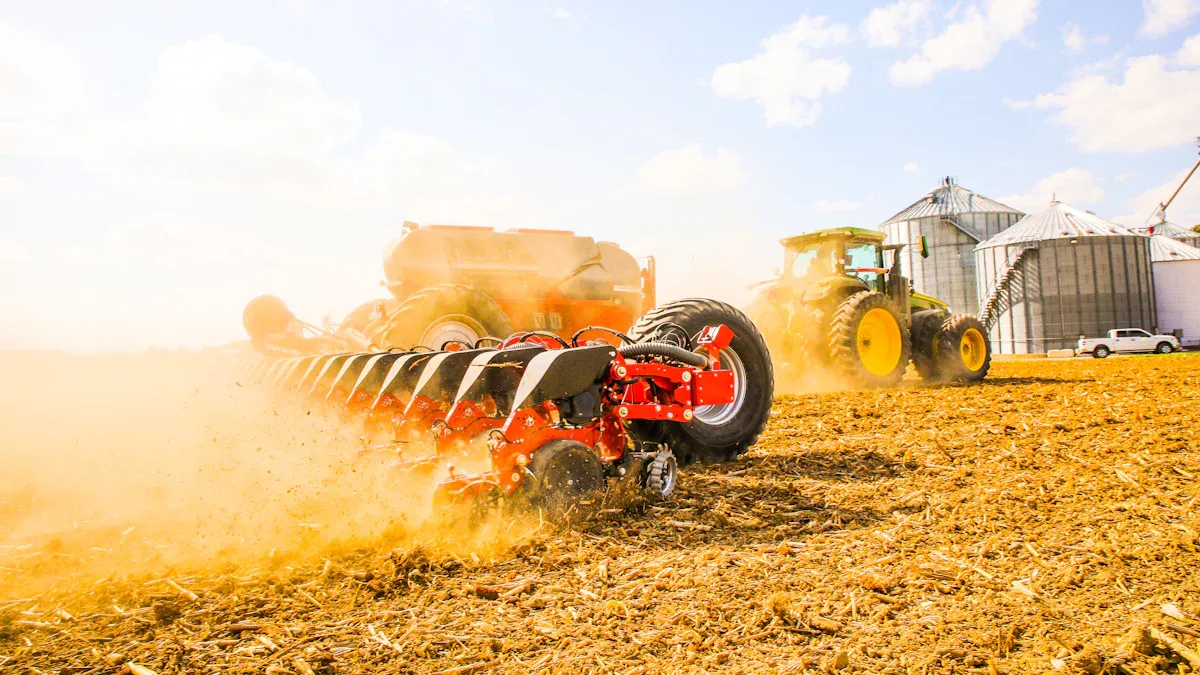
Casting in agriculture involves various techniques such as sand casting, Investment Casting,die casting, and permanent Mold Casting to shape molten metal into essential parts for farm machinery. This process is crucial because it enhances the durability and efficiency of agricultural equipment. Common materials used inagriculture casting include structured steel, which holds a 40.1% market share due to its strength, and light alloys, with an expected CAGR of 8.2% from 2025 to 2033, driven by the need for lightweight machinery. Die casting is also a significant method employed in this sector, contributing to the production of high-quality components.
Key Takeaways
- Casting techniques like sand casting and die casting create durable parts for agricultural machinery, enhancing performance and longevity.
- Using cast components reduces maintenance needs and downtime, allowing farmers to focus more on their fields and less on repairs.
- Materials like aluminum and steel are commonly used in casting, providing strength and corrosion resistance for reliable agricultural equipment.
Understanding Casting in Agriculture
Definition and Process
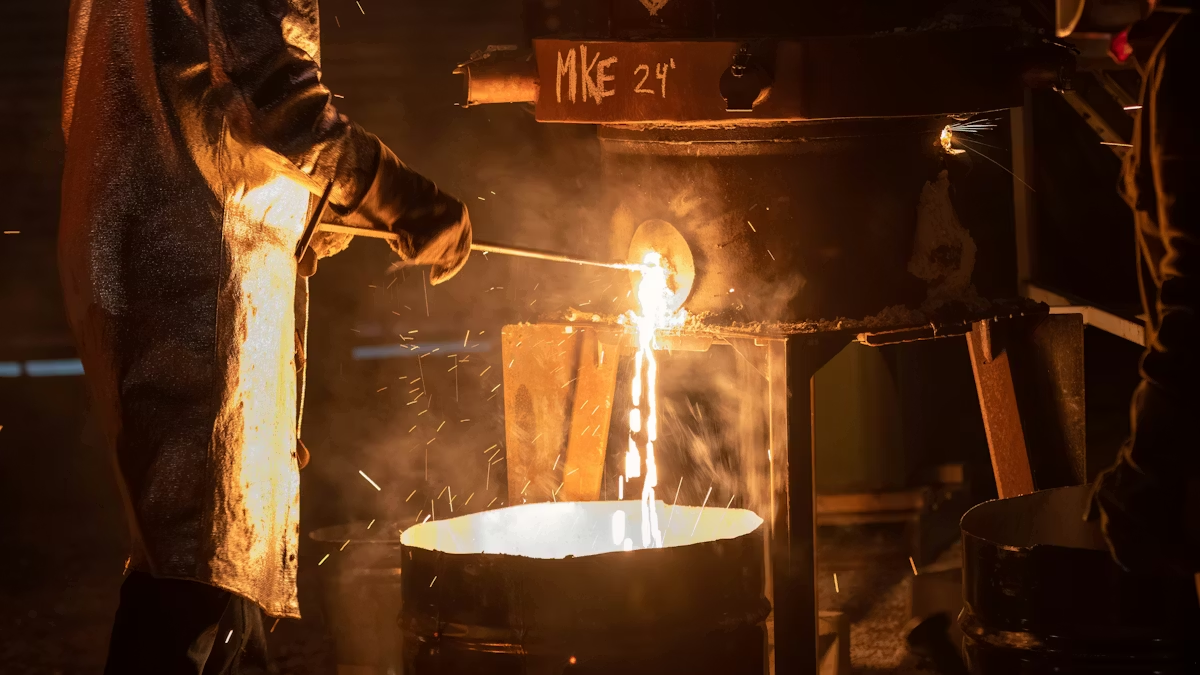
Casting in agriculture refers to the method of shaping molten metal into components that are vital for farming equipment. This process involves several key steps. First, manufacturers create a mold, which serves as a template for the desired part. Next, they pour molten metal into the mold and allow it to cool and solidify. Once the metal has hardened, they remove the finished part from the mold. This technique is commonly used to produce essential components like plough parts, gear housings, and pump casings, which are crucial for tractors and other agricultural machines.
The casting process typically follows these steps:
- Mold Mix
- Baking
- Pattern Removal
- Pouring of Molten Metal (in mold)
- Solidification / Cooling
- Removal of Sand Mold
These steps ensure that the final product meets the necessary specifications and quality standards.
Casting Techniques
Several casting techniques are widely used in the agricultural machinery industry, each with its unique advantages. Here are some of the most common methods:
-
Investment Casting: This technique is efficient and cost-effective, allowing for quick production. It reduces waste, making it a sustainable choice for manufacturers. Parts produced through investment casting are durable and suitable for heavy agricultural applications.
-
Die Casting: This method is known for its ability to produce high-precision parts. It is particularly useful for components that require intricate designs and tight tolerances.
-
Die Casting: This traditional method involves creating a mold from sand. It is versatile and can accommodate various shapes and sizes, making it a popular choice for many agricultural components.
-
Permanent Mold Casting: This technique uses reusable molds, which can lead to better surface finishes and dimensional accuracy. It is ideal for producing larger quantities of parts.
| Casting Technique | Characteristics | Applications |
|---|---|---|
| Investment Casting | Efficient, reduces waste, produces durable parts | Heavy agricultural applications |
| Die Casting | High precision, intricate designs | Complex components |
| Sand Casting | Versatile, accommodates various shapes | General agricultural parts |
| Permanent Mold Casting | Reusable molds, better surface finishes | Mass production of larger parts |
Each of these techniques plays a significant role in ensuring that agricultural machinery components are reliable and efficient. By selecting the appropriate casting method, manufacturers can enhance the performance and longevity of their products.
Importance of Casting in Agricultural Machinery
Enhancing Durability
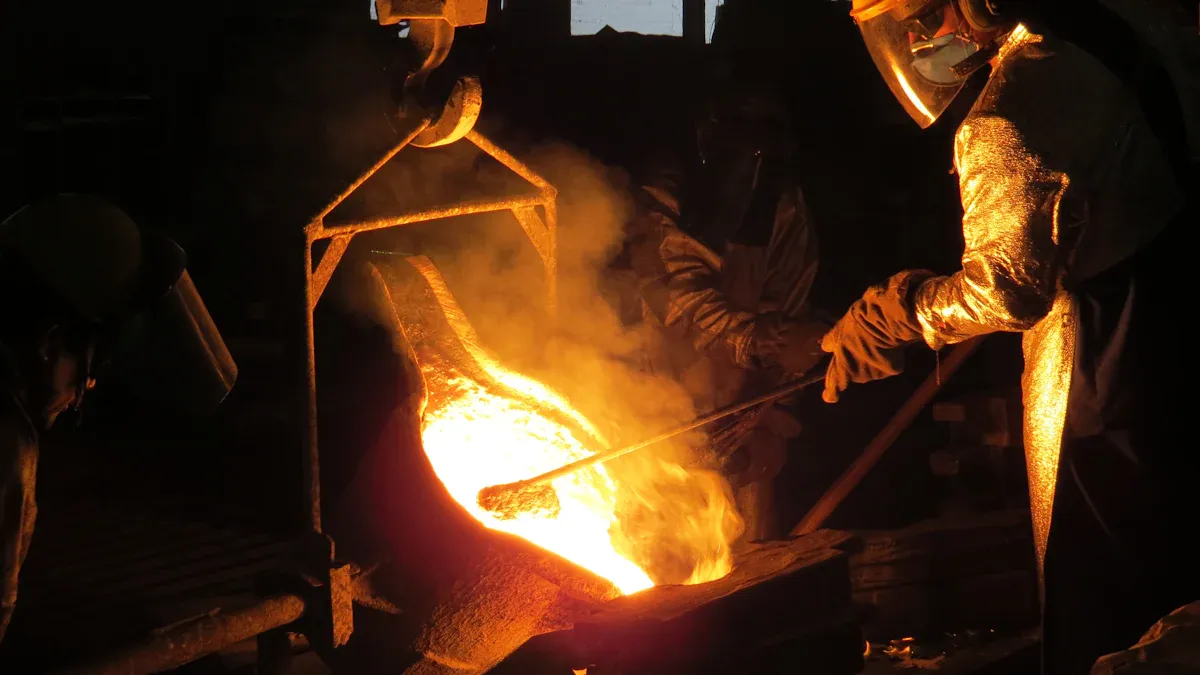
Casting plays a vital role in enhancing the durability of agricultural machinery. The introduction of cast iron plows in the 18th century marked a significant improvement over wooden plows. Farmers quickly noticed that cast iron parts could withstand the rigors of farming much better than their wooden counterparts. By the late 19th century, the use of cast iron and steel in farm equipment surged, leading to even greater durability and performance.
Modern advancements in casting techniques, such as investment casting and die casting, have further improved the strength of agricultural components. These methods allow manufacturers to create complex shapes that are both lighter and stronger. For instance, 3D printing technology enables rapid prototyping, which reduces waste and production time. This innovation leads to the creation of parts that are not only durable but also tailored to specific agricultural needs.
Did You Know?
- Regular maintenance checks can help mitigate common failure modes in cast agricultural machinery parts. For example, fuel and oil filters should be replaced seasonally to avoid issues.
| Common Failure Modes | Mitigation Strategies |
|---|---|
| Fuel, oil, and air filters | Regular seasonal replacement; minimal annual failure. |
| Rotary blades, mouldboard blades, wheel seals, wheel axles, rotary chains | Annual maintenance checks and immediate replacement of broken components. |
| Clutches, gears, gaskets, bearings | Regular inspection and replacement of components that may cause original failures. |
| Premature failures due to field conditions and overload | Clean working areas, maintain proper storage, and ensure operators are trained to avoid overload. |
Improving Efficiency
Casting not only enhances durability but also significantly improves the efficiency of agricultural machinery. For example, cast polyurethane parts resist oil and grease, which minimizes maintenance needs and reduces downtime. Their flexibility allows them to absorb impacts, leading to fewer breakages during operation. This contributes to smoother and more efficient farming processes.
Steel casting parts are designed to endure demanding agricultural conditions. They provide reliability and longevity, which means farmers spend less time on repairs and more time on their fields. Additionally, these components reduce wear and tear, extending the service life of machinery.
- Cast parts enhance the efficiency of various implements like plows and harrows.
- Their lightweight nature can lead to fuel savings for larger agricultural machinery, making operations more cost-effective.
Applications of Casting in Agricultural Equipment
Tillage Equipment
Casting plays a crucial role in tillage equipment, enhancing its performance and longevity. Farmers rely on durable cast parts to withstand the harsh conditions of soil cultivation. Here are some benefits of using cast components in tillage equipment:
| Benefit | Description |
|---|---|
| Durability | Cast parts are made from heavy-duty materials that resist wear and tear. |
| Efficiency | Designed for optimal performance in soil contact applications. |
| Reduced Maintenance | High-quality cast parts lead to lower maintenance costs over time. |
| Ideal for Hard Environments | Suitable for use in rocky or challenging farming conditions. |
Harvesting Machinery
In harvesting machinery, casting ensures reliability and efficiency. Components like SG iron castings are common in this sector. They serve critical functions, such as pulleys and housings, absorbing impact and withstanding vibration. This design helps maintain precision in motion. By reinforcing high-stress areas, manufacturers enhance fatigue resistance, which significantly improves the lifespan of harvesting machinery.
| Component Type | Function |
|---|---|
| SG Iron Castings | Used for pulleys and housings that absorb impact and withstand vibration, ensuring precision in motion |
Irrigation Systems
Casting also finds its place in irrigation systems, where it contributes to the durability and efficiency of various components. Investment casting is often utilized for parts like pump valves, which benefit from stainless steel's corrosion resistance. This material choice ensures longevity and reliability in demanding environments.
Some typical parts manufactured using casting processes include:
- Pump valves
- Fittings
- Sprinkler heads
When comparing cast components to fabricated parts, cast parts offer several advantages:
| Advantage | Gray Cast Iron | Fabricated Parts |
|---|---|---|
| Vibration Damping | Excellent vibration damping properties | Generally lower damping |
| Machinability | High machinability | Varies based on material |
| Cost-Effectiveness | More affordable | Often more expensive |
| Wear Resistance | Good wear resistance | Varies widely |
| Compressive Strength | High compressive strength | Depends on fabrication method |
Casting processes like sand casting, investment casting, die casting, and permanent mold casting are essential in creating reliable agricultural equipment.
Materials Used in Casting
Common Materials
In agricultural machinery casting, manufacturers often choose specific metals and alloys for their desirable properties. Here are some of the most frequently used materials:
- Aluminum: Lightweight and corrosion-resistant, aluminum alloys are popular in lawn and garden equipment.
- Magnesium: Known for its strength-to-weight ratio, magnesium alloys find applications in various automotive components.
- Zinc: This metal offers excellent corrosion resistance, making it suitable for outdoor equipment.
- Brass: Brass is valued for its machinability and resistance to corrosion, often used in fittings and valves.
- Bronze: With good wear resistance, bronze is ideal for components that face friction.
- Copper-based alloys: These alloys provide excellent electrical conductivity and corrosion resistance.
These materials contribute to the overall performance and longevity of agricultural machinery parts.
Advantages of Cast Parts
Cast parts offer several benefits that enhance agricultural machinery's efficiency and reliability. Here are some key advantages:
- Cost-Effectiveness: Casting reduces material waste and eliminates the need for extensive machining. This efficiency leads to lower production costs.
- Durability: Cast iron and cast steel components provide excellent wear resistance. They can withstand harsh agricultural conditions, ensuring longevity.
- Complex Shapes: Casting allows manufacturers to create intricate designs that would be difficult or impossible to achieve with other methods. This capability enables the production of parts tailored to specific needs.
- Recyclability: Many casting materials, like stainless steel and aluminum, are highly recyclable. This feature supports sustainable practices in agriculture.
By utilizing these advantages, manufacturers can produce high-quality agricultural machinery that meets the demands of modern farming.
Casting shapes the future of agricultural machinery by providing durable, budget-friendly solutions. Key applications include:
- Tractor components
- Harvesting machinery
- Tillage equipment
- Irrigation systems
As technology advances, casting continues to enhance efficiency, ensuring farmers can rely on their equipment in demanding environments. 🌱
FAQ
What is the main benefit of casting in agricultural machinery?
Casting enhances durability and efficiency, allowing machinery to withstand harsh conditions while reducing maintenance needs.
How does casting improve the performance of agricultural equipment?
Casting allows for complex shapes and designs, leading to lightweight, strong components that enhance overall machinery performance.
What materials are commonly used in agricultural casting?
Common materials include aluminum, steel, and iron, each chosen for their strength, durability, and resistance to corrosion.