2026 Top Trends in Die Casting Aluminum Parts for Innovative Manufacturing Solutions?
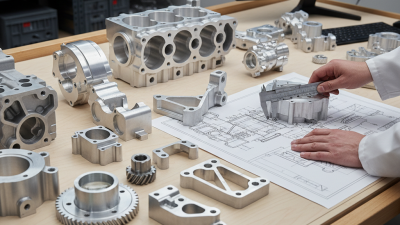
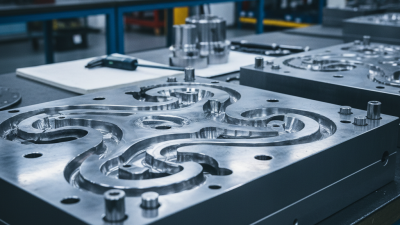
The manufacturing landscape is evolving rapidly, and Die Casting Aluminum Parts play a crucial role in this transformation. As we move towards 2026, innovative advancements are reshaping how industries approach efficiency, sustainability, and product design. Die casting processes have gained prominence due to their ability to produce complex shapes with remarkable precision. This trend is driven by various sectors, including automotive, aerospace, and consumer electronics.
Many manufacturers realize that the choice of materials significantly impacts product performance and durability. Aluminum, known for its lightweight and strength, has become a preferred option. However, not all die casting methods are created equal. Companies face challenges, such as optimizing cycle times and ensuring quality control. Such factors often lead to the need for a deeper exploration of new technologies.
As the market demands increase, it's essential to understand these top trends. They will guide businesses on how to adopt effective strategies and improve their manufacturing processes. By focusing on Die Casting Aluminum Parts, we can navigate the complexities of modern manufacturing while recognizing the areas where improvements are still needed. Reflection on existing methods and open-mindedness towards innovation will be key.
Future of Die Casting: Key Aluminum Innovations Shaping 2026 Manufacturing
The die casting aluminum sector is witnessing exciting innovations as we approach 2026. New technologies are driving efficiency and precision in manufacturing. Advanced aluminum alloys are gaining attention for their superior strength-to-weight ratio. This focus on lightweight materials helps industries meet sustainability goals while enhancing performance.
Manufacturers are increasingly adopting automated processes. Automation reduces human error and increases production speed. Robotics and AI are becoming integral in die casting setups. They ensure more consistent results and minimize waste. However, integrating these technologies presents challenges. Workers must adapt to new systems, which can lead to a learning curve.
Tips: Consider investing in training programs for your workforce. It ensures they are equipped to handle new technologies. Also, maintain open communication about changes. This can ease the transition and boost employee morale. Embracing innovative aluminum solutions not only enhances production but also fosters sustainability. It is crucial to stay informed about emerging trends for long-term growth.
Sustainability Trends in Aluminum Die Casting: Eco-Friendly Practices for 2026
Sustainability is becoming crucial in aluminum die casting. As industries evolve, implementing eco-friendly practices is essential. In 2026, trends show a shift towards more sustainable materials and processes. Companies focus on reducing waste and energy consumption. This adaptation can lead to innovative manufacturing solutions.
Tips for achieving sustainability include using recycled aluminum. Recycled materials lower the energy required for production. This practice also reduces mining impacts. Another step is optimizing casting processes. Efficient techniques minimize waste during production. Manufacturers are exploring advanced technologies for material recovery.
Collaboration with suppliers is vital. Forming partnerships encourages shared sustainability goals. Companies can exchange best practices for eco-friendly solutions. However, implementing these changes requires commitment and investment. Not all manufacturers may prioritize sustainability equally. Thoughtful reflection is necessary to evaluate the path forward.
2026 Top Trends in Die Casting Aluminum Parts for Innovative Manufacturing Solutions - Sustainability Trends in Aluminum Die Casting: Eco-Friendly Practices for 2026
| Trend |
Description |
Impact on Sustainability |
Adoption Rate (Estimated) |
| Recycled Aluminum Use |
Increased incorporation of recycled aluminum into die casting processes. |
Reduces energy consumption and minimizes waste. |
65% |
| Energy-Efficient Furnaces |
Implementation of advanced melting technologies that consume less energy. |
Lower carbon footprint and operational costs. |
70% |
| Water Conservation Techniques |
Employing closed-loop water systems to reduce water usage in cooling. |
Promotes sustainability by conserving water. |
60% |
| Bio-Based Releasing Agents |
Switching to eco-friendly releasing agents in molds. |
Minimizes toxic emissions and enhances workplace safety. |
50% |
| Additive Manufacturing Integration |
Combining traditional die casting with 3D printing for prototypes. |
Reduces material waste and accelerates production timelines. |
45% |
Technological Innovations Driving Efficiency in Aluminum Die Casting Processes
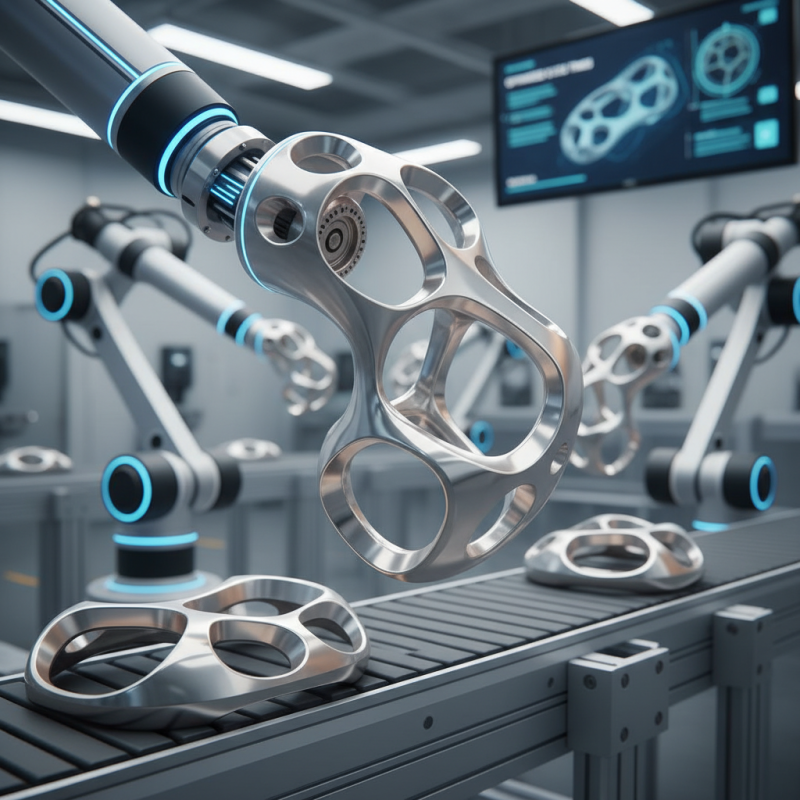
As the manufacturing industry evolves, aluminum die casting processes are experiencing a significant transformation. Technological innovations are at the forefront, enhancing efficiency and precision. Automation plays a crucial role, reducing human error and increasing productivity. Advanced robotic systems now handle delicate tasks, freeing skilled workers for more complex jobs. This shift leads to faster production cycles and consistent quality in parts.
Moreover, software advancements in simulation and modeling offer deeper insights into the casting process. Engineers can predict potential defects before they occur. This proactive approach minimizes waste and reduces costs. Predictive maintenance tools are also gaining traction, allowing manufacturers to foresee equipment failures. However, these technologies require investment and training. Companies need to adapt to a rapidly changing environment.
Material science continues to improve aluminum alloys, making them lighter and stronger. Enhanced thermal properties mean better performance in various applications. These advancements present opportunities and challenges. Manufacturers must stay updated with trends and invest accordingly. Adjusting to innovation is not just a choice but a necessity for survival in competitive markets.
Market Growth Projections for Aluminum Die Casting Parts in 2026
The aluminum die casting industry is poised for significant growth by 2026. According to recent market analysis, the aluminum die casting market is expected to expand at a compound annual growth rate (CAGR) of about 5.8% from 2023 to 2026. This growth indicates a rising demand for lightweight, durable aluminum components across various sectors, including automotive and aerospace.
The automotive sector notably drives the demand for aluminum die casting. By 2026, the automotive industry is projected to account for over 45% of the total market share. The shift towards electric vehicles (EVs) contributes to this trend. Lightweight aluminum parts enhance energy efficiency, crucial for EV performance. However, challenges remain in adapting to these fast-evolving automotive designs.
Additionally, the global emphasis on sustainability prompts manufacturers to seek methods for reducing environmental impact. The use of recycled aluminum has gained traction. It not only cuts costs but also reduces energy consumption during production. Despite these advantages, the industry must focus on improving recycling processes and ensuring consistent quality in recycled materials. Addressing these challenges effectively could position manufacturers for continued success in the evolving landscape of aluminum die casting.
Automated Solutions in Die Casting: Enhancing Production for Modern Industries
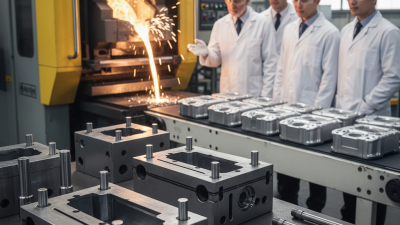
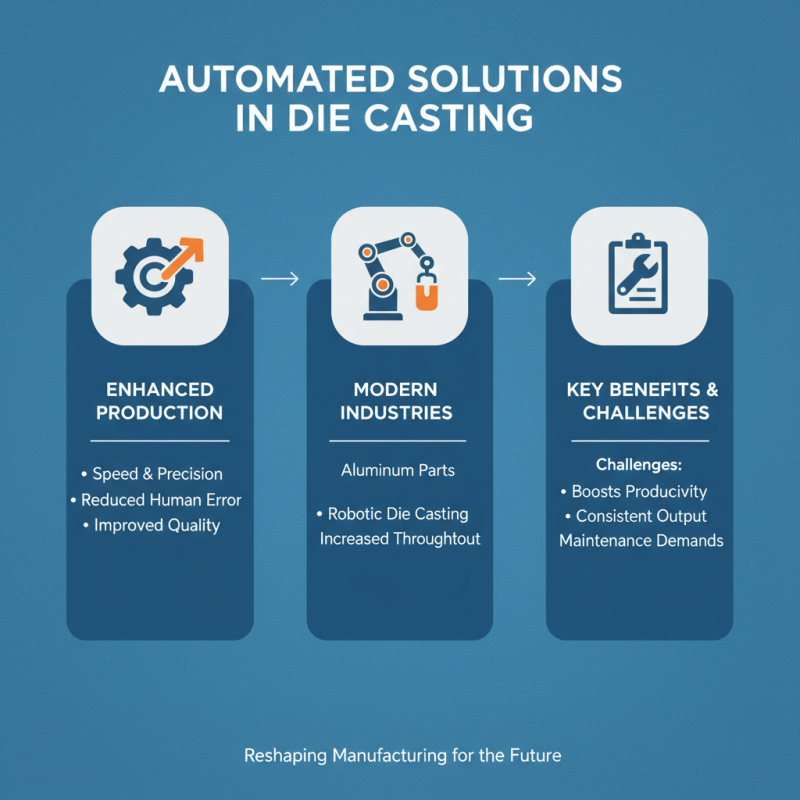
Automated solutions are reshaping die casting in aluminum parts. Enhanced technology improves speed and precision. Automation reduces human error, contributing to better quality. Machines now handle tasks once done by workers. This shift boosts productivity significantly, but challenges remain in logistics and maintenance.
With automated systems, manufacturers can achieve higher production rates. Real-time monitoring ensures consistency in quality. However, transitioning to automation demands investment and training. Some traditional practices may not fit modern methods. Workers need skills to manage new technologies effectively.
Adaptability is key in this evolving landscape. Companies must embrace change while addressing employee concerns. The balance between technology and the workforce is delicate. Efficient automation can lead to innovative manufacturing solutions. But, companies must reflect on integrating these advancements thoughtfully.


 0086-15925850312

 CONTACT NUMBER