Top Benefits of Using Aluminum CNC Turning Parts in Manufacturing?
In the ever-evolving landscape of manufacturing, Aluminum CNC Turning Parts play a pivotal role. Experts like John Smith, a leading figure in the CNC industry, emphasize their importance: "Aluminum parts enhance precision and efficiency in modern manufacturing." This statement underlines the advantages that come with utilizing Aluminum CNC Turning Parts.
These parts are known for their lightweight nature, which does not compromise strength. They allow for intricate designs while maintaining durability. Manufacturers appreciate the precision that CNC technology brings, ensuring high-quality outputs consistently. However, it’s crucial to understand that not all aluminum is equal. Selecting the right alloy is essential to optimize performance.
Despite the benefits, companies can face challenges when adopting these parts. The initial investment may seem daunting. Additionally, finding skilled operators who can maximize the CNC machinery's potential requires dedication and training. Industries must reflect on these factors when incorporating Aluminum CNC Turning Parts into their production processes.
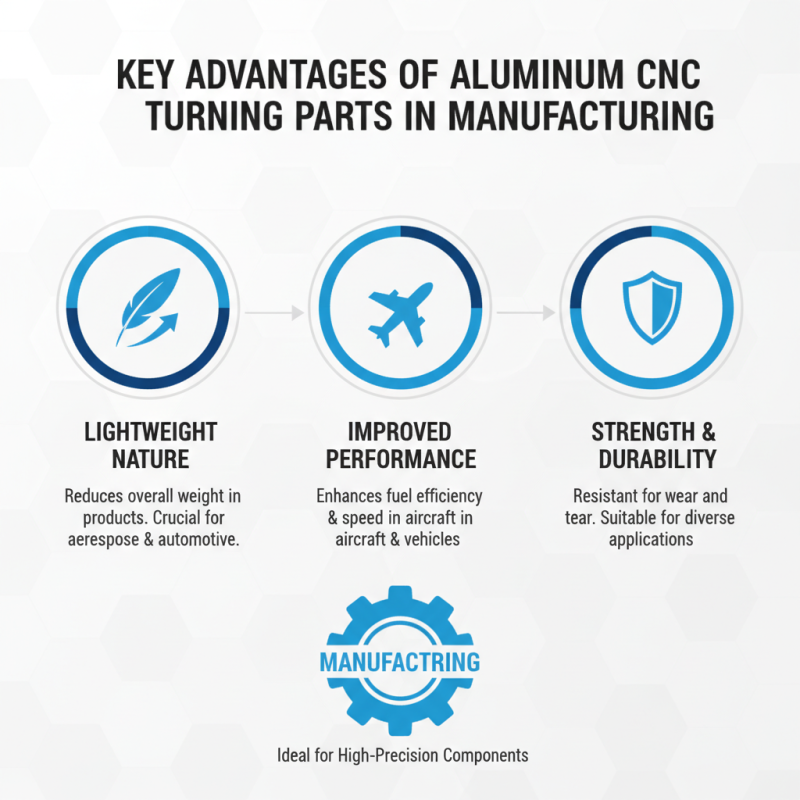
Key Advantages of Aluminum CNC Turning Parts in Manufacturing
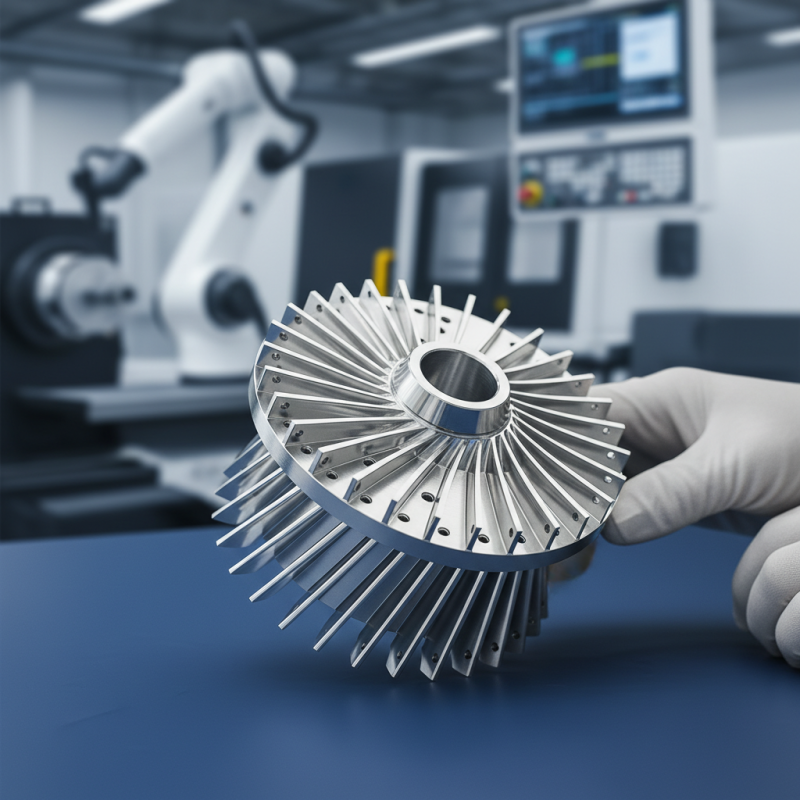
Aluminum CNC turning parts offer numerous advantages in manufacturing. One key benefit is their lightweight nature. Compared to steel, aluminum parts reduce overall weight, which is crucial in industries like aerospace. This weight reduction can lead to improved fuel efficiency and performance in aircraft. Additionally, despite being lightweight, aluminum parts maintain strength and durability, making them ideal for various applications.
Another advantage lies in aluminum's excellent machinability. CNC turning allows for precise shapes and dimensions. The smooth surfaces produced minimize the need for additional finishing. This precision reduces production time and lowers costs. Moreover, aluminum parts resist corrosion, extending the lifespan of products in harsh environments. This property contributes to a reduced need for maintenance, adding long-term value to projects.
However, challenges exist when using aluminum. It can be more challenging to weld compared to other materials. Proper techniques and equipment are necessary for strong joints. Manufacturers must also consider thermal expansion, as aluminum expands more than other metals in heat. This could affect the part's fit in certain applications. Understanding these nuances is essential for optimizing the use of aluminum CNC turning parts.
Enhanced Precision and Accuracy in Production Processes
In the realm of manufacturing, aluminum CNC turning parts stand out for their enhanced precision and accuracy.
Industry reports indicate that parts machined from aluminum exhibit tolerances as tight as ±0.01 mm. This level of accuracy is crucial for high-stakes industries such as aerospace and automotive, where the slightest deviation can adversely affect performance and safety.
One noteworthy aspect of CNC turning is its repeatability. Once programmed, the CNC machine can replicate the same part repeatedly with minimal variance. This automation leads to less human error, which is pivotal in complex production. In fact, research has shown that automating turning processes can improve productivity by up to 30%. However, even the most advanced systems require skilled oversight to ensure calibration and maintenance. A slight miscalibration can lead to significant inaccuracies.
The choice of aluminum as a material further enhances precision. Aluminum's lightweight nature allows for faster machining without sacrificing strength. It's crucial to choose the right alloy, as different alloys can yield varying results in tolerances. Nonetheless, achieving the optimal balance between speed and precision remains an area for continuous improvement. While advancements are impressive, the industry must remain vigilant, ensuring that the benefits of using aluminum CNC turning parts do not overshadow the need for thorough quality control.
Cost-Effectiveness of Aluminum CNC Components
Aluminum CNC components provide a remarkable level of cost-effectiveness in manufacturing. Their lightweight nature reduces shipping costs. This attribute helps businesses lower their overall expenses. Additionally, aluminum is abundant and relatively inexpensive. This factor contributes significantly to the affordability of CNC parts produced from it.
Precision machining ensures that these components are tailored for exact specifications. This leads to less wastage during production. The efficiency of CNC turning processes directly impacts the bottom line. Quick turnaround times also reduce labor costs. Companies can produce complex designs without excessive manual effort, enhancing productivity.
However, focusing solely on cost may overlook quality. In certain applications, cheaper materials can compromise the integrity of the product. Proper evaluation of material suitability goes a long way. While aluminum is versatile, it might not always be the best choice. Always assess the specific needs of each project for optimal results.
Lightweight Properties and Their Impact on Manufacturing
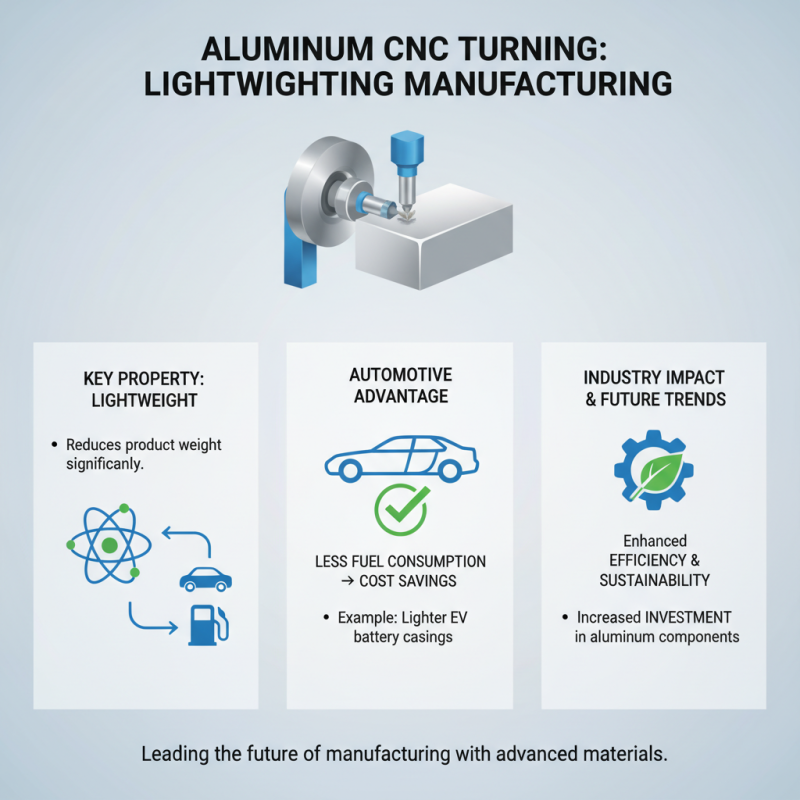
Aluminum CNC turning parts are gaining popularity in manufacturing due to their lightweight properties. This lightweight nature significantly reduces the overall weight of products. For example, in automotive applications, a lighter vehicle consumes less fuel, which can lead to cost savings. Companies are increasingly investing in aluminum components to enhance efficiency and sustainability in their operations.
Moreover, the ease of manipulation during the CNC turning process contributes to precision and accuracy in production. Aluminum parts can be designed with intricate details while remaining lightweight. However, manufacturers must be mindful of the trade-offs, as lighter parts may sometimes compromise durability. This calls for careful material selection and testing to ensure reliability and performance meet industry standards.
In industries like aerospace, where weight is critical, aluminum provides an advantage. Yet, the challenge lies in balancing weight reduction with strength requirements. Failure to do so could result in subpar products. Continuous reflection on these aspects is crucial for achieving optimal performance in manufacturing while utilizing aluminum CNC turning parts.
Corrosion Resistance and Its Benefits for Durability
Aluminum CNC turning parts are praised for their corrosion resistance. This quality significantly enhances the durability of manufactured components. According to industry reports, aluminum alloys can withstand harsh environmental conditions. This makes them ideal for various applications, including automotive and aerospace.
The corrosion resistance of aluminum stems from its natural oxide layer. This layer prevents rust and degradation over time. Studies show that aluminum parts can last longer than steel in certain conditions, especially in humid or saline environments. This longevity leads to reduced maintenance costs, which manufacturers find appealing.
However, it's important to note that not all aluminum alloys offer the same level of protection. Some formulations may corrode under specific circumstances. This inconsistency requires careful selection of materials based on the intended use. In some cases, coatings can enhance protection but add complexity to the manufacturing process. Understanding these nuances is crucial for achieving reliable results in production.
Top Benefits of Using Aluminum CNC Turning Parts in Manufacturing
Conclusion
Aluminum CNC turning parts offer numerous benefits that significantly enhance manufacturing processes. One of the key advantages is their enhanced precision and accuracy, which ensures that components meet stringent quality standards. Additionally, aluminum CNC components are cost-effective, providing manufacturers with a balance of performance and affordability. The lightweight properties of aluminum contribute to easier handling and reduced shipping costs, making it an attractive material for various applications.
Furthermore, aluminum’s natural corrosion resistance increases the durability of the components, leading to longer service life and reduced maintenance. The versatility and customization options available with aluminum CNC turning parts allow manufacturers to tailor solutions to specific requirements, fostering innovation and flexibility in production. Overall, the incorporation of aluminum CNC turning parts in manufacturing processes streamlines operations and improves product quality.


 0086-15925850312

 CONTACT NUMBER