2026 Best CNC Machining Parts for Global Buyers Guide?
In today's competitive manufacturing landscape, the demand for high-quality CNC Machining Parts is on the rise. As businesses seek precision and efficiency, understanding the best options becomes essential. CNC machining has revolutionized the way parts are produced, offering unmatched accuracy and repeatability. However, selecting the right components can be challenging.
Buyers often face various options in materials, designs, and suppliers. This guide aims to highlight the top CNC Machining Parts available in 2026. We emphasize reliability and performance. It's crucial to consider the intended application and environmental factors when choosing parts. Some buyers may overlook supplier credentials, which can lead to poor outcomes.
Overall, this guide serves as a valuable resource. It brings together expert insights and real-world applications in CNC machining. We encourage readers to reflect on their choices as they navigate this landscape. Quality parts can significantly affect overall production efficiency. Be sure to choose wisely, keeping sustainability and innovation in mind.
Overview of CNC Machining Parts: Definitions and Applications
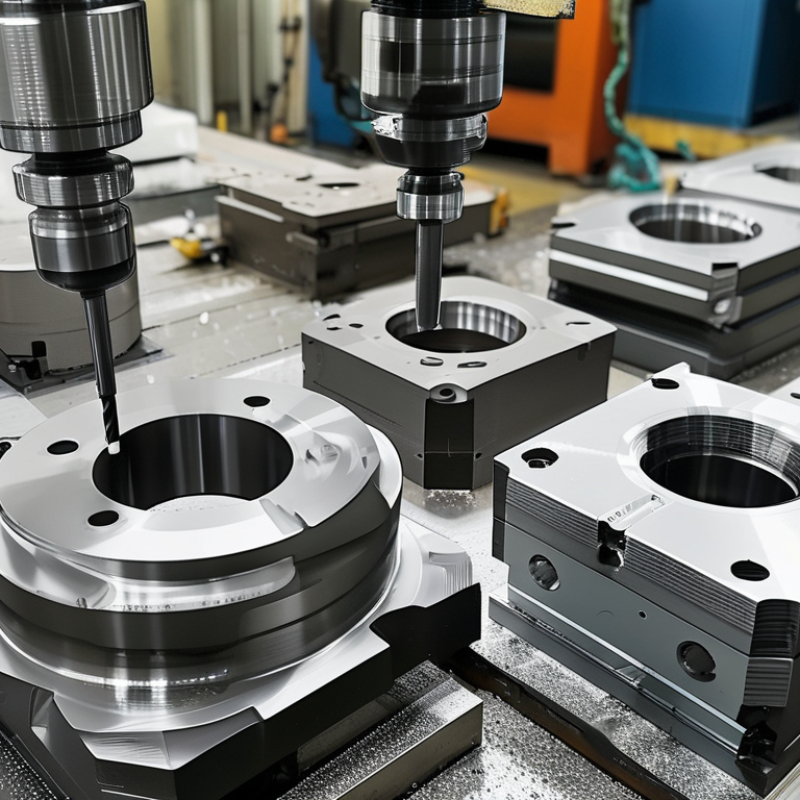
CNC machining parts are essential in various industries.
CNC stands for Computer Numerical Control. It refers to
the automated control of machining tools by a computer. This technology allows for precise cuts and
shapes in materials like metal, plastic, and wood. Industries use CNC machining for creating components
in aerospace, automotive,
and electronics.
Many applications depend on CNC parts. For example, aerospace engineering often requires highly detailed
and lightweight components. These parts must withstand extreme conditions. Accuracy is crucial here.
In the automotive sector, CNC machined parts support vehicle production. They ensure reliability and
performance. It's worth noting that not every CNC machined part meets expectations. Quality assurance
processes can sometimes miss defects.
Understanding the definitions and applications of CNC parts helps global buyers make informed choices.
Even small errors in dimensions can lead to significant problems. Each CNC machine works differently,
and skills vary among operators. Thus, buyers should consider these factors carefully. Investing time in research can lead to better purchasing decisions.
Key Materials Used in CNC Machining: Aluminum, Steel, and Plastics
CNC machining utilizes various materials, each with distinct advantages. Aluminum stands out due to its lightweight nature and excellent machinability. It's commonly used in aerospace, automotive, and electronics. Aluminum parts can be anodized for improved corrosion resistance. However, this softness can lead to wear over time.
Steel is another key material, widely appreciated for its strength and durability. Steel parts deliver high performance in demanding environments. They require precise machining to achieve the desired tolerances. Yet, the toughness of steel can present challenges in the machining process, leading to tool wear and heat generation.
Plastics are gaining traction in CNC machining. They are lightweight and resistant to corrosion. Common types include ABS, nylon, and acrylic. While easy to machine, plastics can warp under heat. This variable behavior necessitates careful consideration during the design phase. Selecting the right material is crucial for achieving optimal results in CNC projects.
2026 Best CNC Machining Parts for Global Buyers Guide
This chart represents the utilization rates of key materials in CNC machining parts in 2026. The materials analyzed include Aluminum, Steel, and Plastics, reflecting their importance in the industry.
Top CNC Machining Technologies: Types and Their Industry Impact
CNC machining plays a crucial role in the global manufacturing landscape. Various technologies shape this industry, influencing production efficiency and precision. According to a recent report by MarketsandMarkets, the CNC machining market is projected to reach $100 billion by 2026, reflecting a CAGR of 6.5%. Understanding the types of CNC technologies is vital for buyers.
Popular types include CNC milling, CNC turning, and laser cutting. Each type offers unique advantages. For instance, CNC milling is effective for creating complex parts with tight tolerances. In contrast, CNC turning is ideal for cylindrical shapes and quick production runs. Laser cutting excels at delivering intricate designs with minimal material waste. These technologies collectively enhance productivity across sectors like aerospace, automotive, and electronics.
Tip: Evaluate your needs. Choose a machining type based on your component requirements. Are precision and speed your priorities? Determine the best fit before making a decision.
Despite these advancements, challenges persist. Machine downtime and maintenance can disrupt production schedules. Moreover, the initial investment in CNC technologies can be significant. Businesses must weigh these factors carefully.
Tip: Regular maintenance can prevent costly interruptions. Schedule routine checks to keep machinery running efficiently. A proactive approach often mitigates potential issues before they arise.
Global CNC Machining Market Trends: Growth Rates and Economic Insights
The global CNC machining market is experiencing notable growth, driven by advancements in technology and rising demand across various industries. CNC machining has become essential for precision manufacturing. Industries such as aerospace, automotive, and electronics are leading this trend. The integration of AI and automation into these processes enhances efficiency.
However, challenges remain. The skills gap in CNC machining is evident. Many regions face shortages of qualified operators. This situation can hinder productivity and innovation. Moreover, fluctuating raw material costs pose risks, impacting overall pricing strategies.
As global buyers seek reliable, high-quality machining parts, companies must adapt. Staying updated with market trends is crucial. Companies should invest in employee training and sustainable practices. Establishing a network of trusted suppliers can ensure a steady flow of materials. The future of CNC machining relies on both technological advancements and a skilled workforce.
Selecting the Best CNC Machining Suppliers: Criteria and Recommendations
Choosing the right CNC machining supplier
is crucial for your manufacturing needs. Key criteria include expertise,
technology, and customer support. Experienced suppliers often have advanced machinery and skilled technicians.
Their knowledge can significantly impact product quality. A thorough evaluation helps avoid issues later.
Consider their production capabilities. Do they handle complex designs?
Their range of services indicates their flexibility.
Reliability is another factor. Look for suppliers with a history of meeting deadlines.
It reflects their commitment to quality and efficiency. Check reviews and seek testimonials from past clients.
This provides insights into their performance.
Don’t ignore communication practices.
Suppliers should be responsive and open to your feedback. This partnership aspect is vital.
Reflect on your previous experiences with suppliers. What worked? What didn’t?
Use those lessons to refine your selection process.
Balancing cost with quality is essential.
Sometimes, cheaper options may lead to compromised standards.
Thoughtful choices now can prevent issues down the line.


 0086-15925850312

 CONTACT NUMBER