How to Choose the Right Precision Aluminum Parts for Your Project?
When selecting precision aluminum parts for a project, the choices can be overwhelming. Industry expert Dr. Sarah Thompson, known for her extensive work in manufacturing, states, “Choosing the right material can make or break your project.” Understanding precision aluminum parts is crucial. They offer lightweight, durable options for various applications.
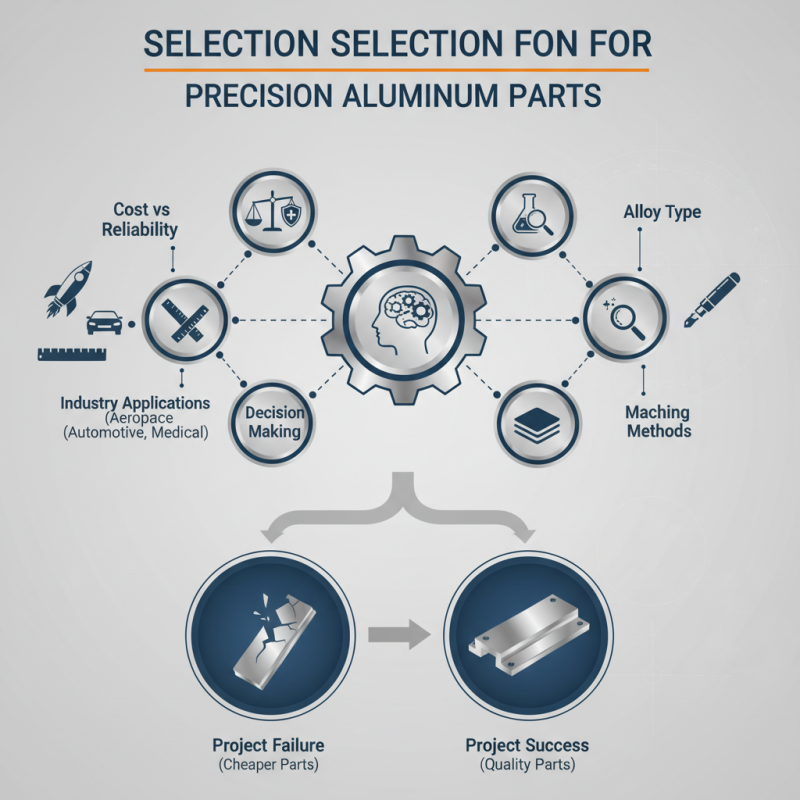
Precision aluminum parts come in many forms. Their strength-to-weight ratio makes them ideal for aerospace, automotive, and medical devices. However, not all aluminum is created equal. Factors such as alloy type, thickness, and machining methods affect performance. Projects may require specific tolerances or surface finishes.
Navigating these choices can be challenging. One might initially focus on cost, but long-term reliability matters. A cheaper part may fail and lead to larger expenses. Consider not just immediate needs, but future demands as well. Reflecting on the details can lead to better decisions. Quality precision aluminum parts enhance overall project success.
Understanding the Importance of Precision Aluminum Parts in Projects
Precision aluminum parts play a crucial role in various industries, from aerospace to automotive. According to a report by Grand View Research, the global aluminum market is projected to reach $187 billion by 2027. This growth highlights the increasing demand for high-quality aluminum components. Projects requiring lightweight materials benefit significantly from precision aluminum parts. They offer reliability and durability, essential for performance-driven applications.
The accuracy in manufacturing these parts cannot be understated. A study published in the Journal of Materials Engineering shows that up to 90% of manufacturing defects arise from poor tolerances. Selecting the right precision aluminum components can mitigate these risks and improve product lifecycle. Each component contributes to the overall functionality and efficiency of the project. For instance, the aerospace sector relies heavily on aluminum parts to enhance fuel efficiency and reduce weight.
However, it is vital to recognize that not all precision aluminum parts are created equal. Variations in fabrication processes can lead to inconsistencies. Projects may falter when substandard aluminum is used, resulting in a cascading effect on performance and safety. Therefore, understanding the materials and processes used to create precision components is essential for project success. This awareness helps in making informed decisions, ultimately leading to better outcomes in specialized applications.
Importance of Precision Aluminum Parts in Projects
Identifying the Specific Requirements for Your Project's Aluminum Parts
When selecting precision aluminum parts for your project, identifying specific requirements is crucial. The properties of aluminum, such as lightweight yet high strength, make it suitable for many applications. According to the Aluminum Association, the metal can achieve about 70% the strength of steel while being one-third the weight. Understanding the environment in which these parts will operate is essential. Will they face high temperatures or corrosive elements? Knowing this helps guide the selection of alloys and treatments.
Tips: Evaluate your working conditions. Consider factors like temperature fluctuations and exposure to moisture. The alloy chosen should match these conditions to minimize failure.
Another important aspect is tolerances and specifications. Tight tolerances can improve performance but may increase manufacturing costs. A report by the Precision Metalforming Association reveals that tolerance levels can impact lead times and pricing significantly. Assessing how critical these tolerances are for your application is vital.
Tips: Balance precision with budget constraints. Sometimes, over-specifying can lead to unnecessary expenses. Engage with your manufacturing partner to discuss realistic limits. Identifying areas where slight variations are acceptable can lead to cost savings.
Evaluating Different Manufacturing Processes for Precision Aluminum Parts
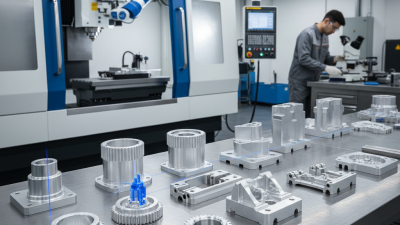
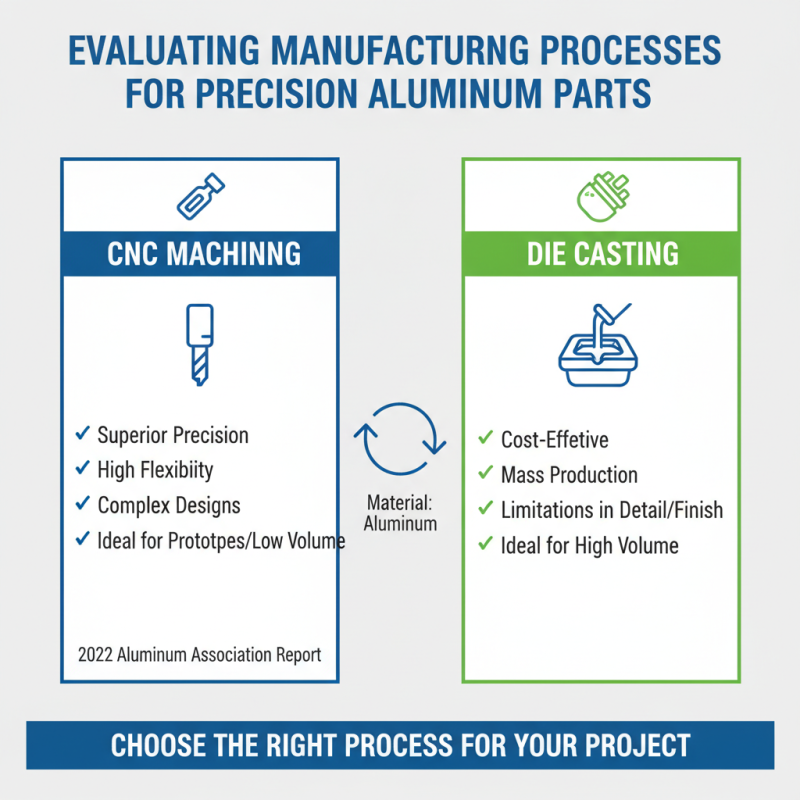
When selecting precision aluminum parts for a project, understanding manufacturing processes is crucial. Different methods, like CNC machining and die casting, offer distinct advantages. According to a 2022 report by the Aluminum Association, CNC machining provides superior precision and flexibility, making it ideal for complex designs. On the other hand, die casting is cost-effective for mass production, although it may have limitations in detail and finish.
Tips: Assess your project's complexity before choosing a manufacturing process. CNC machining is beneficial for intricate designs that demand tight tolerances. However, if your project requires high volume output, die casting might be more suitable, despite potential compromises.
Consider the surface finish required for your parts. Machining can achieve various finishes ranging from smooth to textured. However, the more intricate the finish, the higher the cost. Conversely, die-cast parts may require additional finishing processes, increasing turnaround time. Understanding these nuances will lead to better decision-making and potentially lower costs.
Additionally, be aware of material properties and how they relate to manufacturing methods. Aluminum's lightweight and corrosion resistance make it a popular choice. Yet, different alloys behave differently during production. Evaluating these factors early in your project will save time and budget.
Comparing Finish Options: Coatings and Treatments for Aluminum Parts
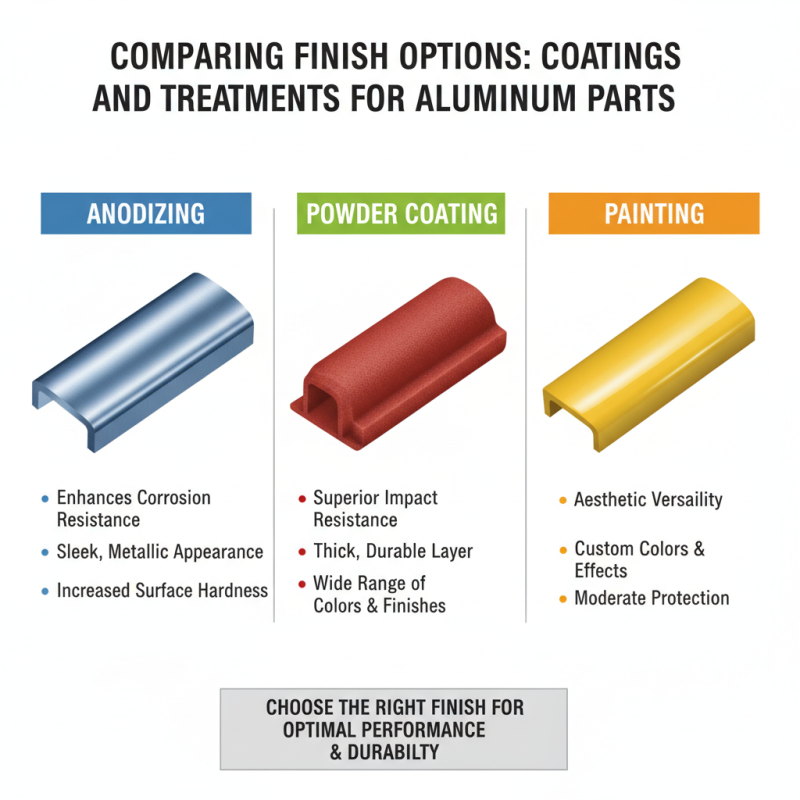
When selecting precision aluminum parts, coatings and treatments play a crucial role. They not only enhance aesthetics but also improve durability. Common finish options include anodizing, powder coating, and painting. Anodizing increases corrosion resistance while providing a sleek appearance. Powder coating offers a thicker layer, which can withstand impacts better.
Tips: Always consider the environment in which the parts will be used. Different coatings react differently to harsh conditions. For outdoor applications, opt for finishes that resist UV rays and corrosion.
Surface treatments impact functionality significantly. They can improve wear resistance and reduce friction. However, some treatments may alter the dimensions of parts. Precision is key. Choose a finish that meets your project’s size requirements. Some coatings may be thicker than expected, affecting fit.
Tips: Test coatings on sample parts to visualize the final look. This can help avoid unexpected outcomes in your project. Reflecting on past projects may reveal what finishes worked best in similar conditions.
Cost Considerations: Balancing Quality and Budget for Aluminum Components
When selecting precision aluminum parts, cost considerations often play a significant role. The balance between quality and budget is crucial for project success. Industry data shows that 32% of manufacturing costs stem from material selection. Choosing high-quality aluminum can lead to long-term savings despite higher initial costs.
In many projects, cheaper components may seem appealing. However, they can result in higher failure rates and increased maintenance. A report by the Aluminum Association indicates that superior-grade aluminum components can reduce warranty claims by up to 25%. This fact highlights the hidden costs of selecting lower-quality materials.
Organizations must assess their short-term and long-term needs. Investing in precision parts might require larger upfront expenditures. Yet, this decision enhances overall project efficiency and performance. Exploring various suppliers for competitive pricing is also essential. The right component can mean the difference between a successful project and costly reworks.
How to Choose the Right Precision Aluminum Parts for Your Project? - Cost Considerations: Balancing Quality and Budget for Aluminum Components
| Dimension |
Material Grade |
Manufacturing Process |
Cost per Unit ($) |
Lead Time (Days) |
| 100mm x 50mm x 5mm |
6061-T6 |
CNC Machining |
15.00 |
10 |
| 200mm x 100mm x 10mm |
7075-T6 |
Extrusion |
25.00 |
15 |
| 150mm x 75mm x 3mm |
6063-T5 |
Sheet Metal |
12.00 |
7 |
| 300mm x 150mm x 5mm |
A356.0 |
Die Casting |
30.00 |
20 |
| 50mm x 50mm x 10mm |
2024-T3 |
Forging |
18.00 |
12 |


 0086-15925850312

 CONTACT NUMBER