What is Cnc Auto Parts and How Do They Benefit Your Vehicle?
CNC auto parts have revolutionized the automotive industry. They offer precision manufacturing and tailored solutions for vehicle enhancements. Industry expert John Smith states, "CNC auto parts are not just components; they are the future of performance." This highlights the shift towards high-quality, precision-engineered parts for vehicles.
With the increasing demand for customization, CNC auto parts provide significant benefits. They ensure a perfect fit, which improves vehicle performance and longevity. Every detail matters when enhancing your car's efficiency. These parts are crafted using advanced technology, allowing for intricate designs and shapes that traditional methods cannot replicate.
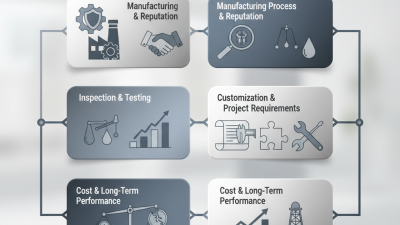
However, not every part is created equal. It's crucial to choose reputable manufacturers. Some CNC parts may not meet industry standards or durability requirements. Researching options ensures you select reliable components for your vehicle. Thus, understanding CNC auto parts is vital for car enthusiasts and everyday drivers alike. Quality can determine performance, safety, and overall satisfaction.
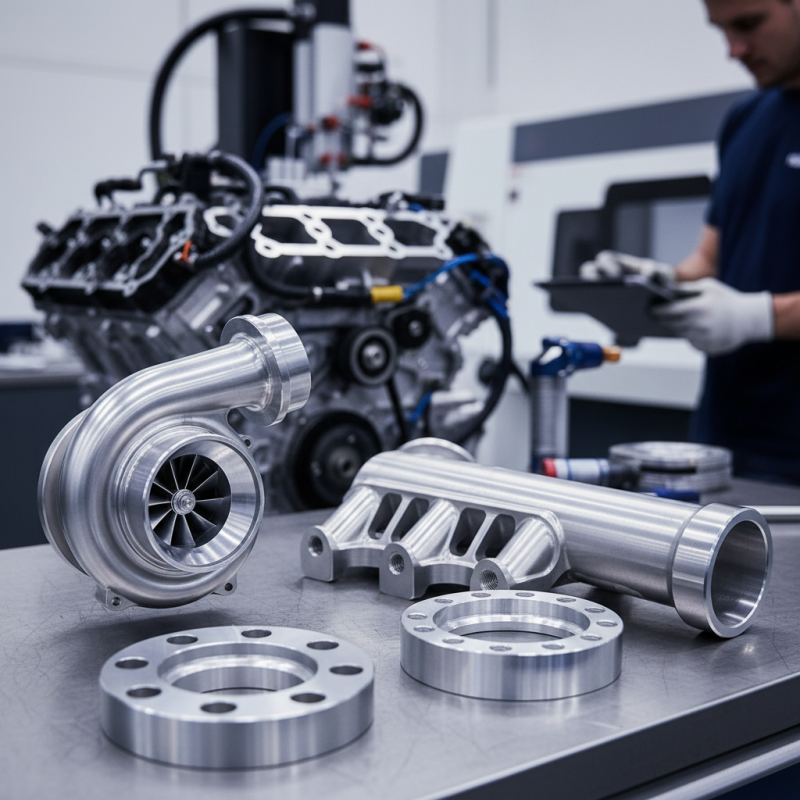
What Are CNC Auto Parts and Their Production Process?
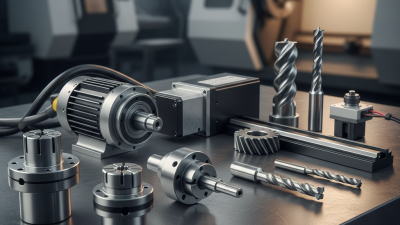
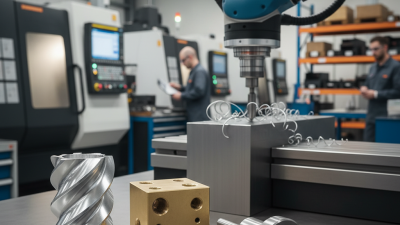
CNC (Computer Numerical Control) auto parts are created using advanced technology that allows for precise manufacturing. These parts are usually made from materials like aluminum and steel. The process begins with designing a computer-aided design (CAD) model. This model is crucial as it serves as the blueprint for production. Reports from industry analytics indicate that CNC machining can achieve tolerances as tight as ±0.005 inches, enhancing part functionality and vehicle performance.
The production of CNC auto parts involves several steps. First, raw materials are placed in a CNC machine. This machine is programmed to execute a series of movements to cut and shape the material. According to recent statistics, about 40% of the automotive industry relies on CNC components for efficiency. This technology reduces human error, but it's important to note that not all machines are perfect. Occasionally, issues like tool wear can impact precision, potentially affecting the final product.
Precision in CNC machining leads to better-fitting parts, which means enhanced performance for vehicles. However, the setup and maintenance of CNC equipment can be costly, often discouraging smaller manufacturers. Furthermore, as technology evolves, staying current is a constant challenge for many in the industry. Despite these hurdles, the benefits of CNC auto parts are significant, promoting advancements in automotive engineering.
What is Cnc Auto Parts and How Do They Benefit Your Vehicle?
| Part Type |
Material |
Precision Level |
Benefits |
Typical Applications |
| CNC Machined Engine Parts |
Aluminum |
High Precision |
Increased performance, durability |
High-performance vehicles |
| CNC Cut Chassis Parts |
Steel |
Medium Precision |
Enhanced stability, reduced weight |
Race cars, custom builds |
| CNC Fabricated Brackets |
Stainless Steel |
High Precision |
Corrosion resistance, strong support |
Suspension systems, engine mounts |
| CNC Machined Transmission Parts |
Aluminum Alloy |
Ultra High Precision |
Improved gear shifting, longevity |
Performance transmissions |
| CNC Cut Body Panels |
Carbon Fiber |
Precision |
Lightweight, high strength |
Custom cars, racing applications |
Key Advantages of CNC Auto Parts for Vehicle Performance
CNC auto parts have transformed vehicle performance. These components are machined with precision, ensuring exact specifications. This accuracy leads to better fitting and minimized wear. According to a report by the Automotive Industry Action Group, CNC manufacturing enhances part consistency by over 70%.
One of the key advantages of CNC auto parts is weight savings. Lighter components improve fuel efficiency. Studies show that reducing a vehicle's weight by just 10% can increase fuel economy by 6-8%. This impact can be crucial, especially for performance vehicles seeking to optimize speed without sacrificing control.
Tip: When considering CNC auto parts, assess their material quality. Not all materials offer the same durability.
Another factor is enhanced strength. CNC components often outperform traditional parts in stress tests. The controlled environment during production leads to fewer defects. Yet, sometimes this process can result in over-engineering, where parts may become unnecessarily complex.
Tip: Evaluate the necessity of each modification. Sometimes, simplicity can lead to better performance.
Impact of CNC Machining on Precision and Quality in Auto Parts
CNC machining plays a crucial role in the automotive industry. It enhances precision and quality in auto parts manufacturing. This technology allows for the creation of complex shapes and sizes that traditional methods struggle to achieve. Components made through CNC processes often have tighter tolerances. This leads to better fitting parts, reducing the risk of issues like vibrations or misalignment.
The flexibility of CNC machining is another benefit. Designers can quickly alter specifications without the need for extensive retooling. This helps in maintaining high standards while adapting to changing market needs. However, some smaller businesses may find it challenging to keep up with such technology due to costs. It's essential to weigh the investment against the potential gains in quality and efficiency.
Precision in CNC machined parts can enhance vehicle performance and safety. Yet, the complexity of the machines means there's a learning curve. Not every shop can achieve the same level of quality. Companies must invest in skilled operators and quality control systems to ensure that standards are met. This investment leads to reliable, high-performing auto parts.
Impact of CNC Machining on Precision and Quality in Auto Parts
This chart illustrates the impact of CNC machining on key performance metrics in auto parts production. It highlights improvements in dimensional accuracy, surface finish quality, reduced production time, minimized material waste, and increased cost efficiency.
Common CNC Auto Parts and Their Applications in Modern Vehicles
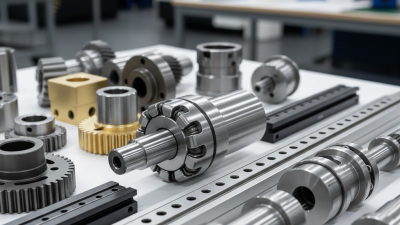
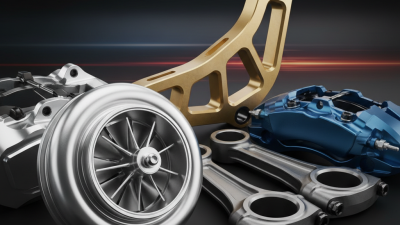
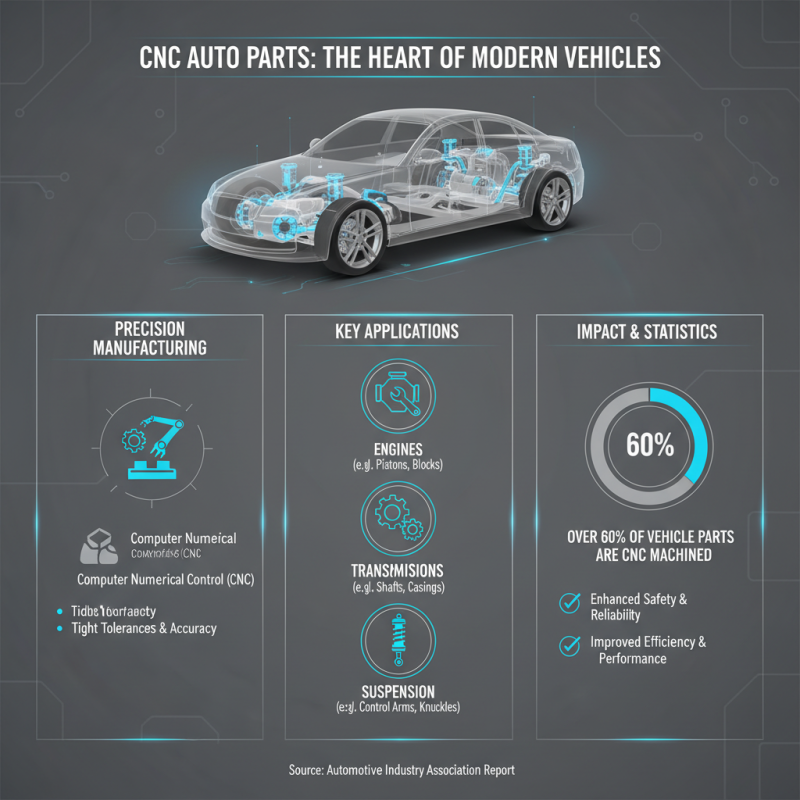
CNC auto parts play a pivotal role in modern vehicle design and performance. The precision of Computer Numerical Control (CNC) machining allows for the production of intricate components found in engines, transmissions, and suspension systems. A recent report from the Automotive Industry Association highlights that over 60% of vehicle parts are manufactured using CNC technology. This method ensures that parts meet strict specifications, crucial for vehicle safety and efficiency.
Common CNC auto parts include valve covers, brackets, and custom mounts. Each part serves a unique purpose. For instance, valve covers safeguard engine components while enhancing aesthetics. Brackets provide essential support for various systems, from exhausts to intakes. Custom mounts optimize the interaction between the vehicle's body and its drivetrain. However, even with advanced machining, there can be issues with fit and alignment. Occasional discrepancies in production might require further adjustments or retrofitting.
The application of CNC parts is not without challenges. Though they offer enhanced durability, the costs can be a concern for some manufacturers. Complexity in designs may lead to longer production times and potential delays. Additionally, the reliance on technology raises questions about the need for skilled labor. This balance between innovation and craftsmanship remains at the heart of CNC auto parts in today’s automotive landscape.
Future Trends in CNC Technology and Auto Parts Manufacturing
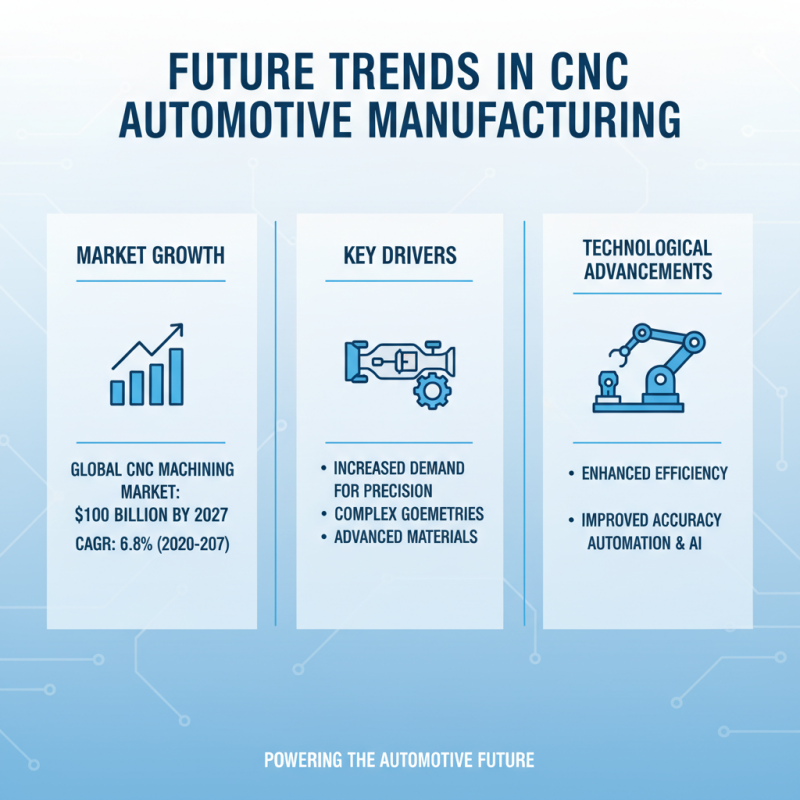
CNC technology is transforming the auto parts manufacturing industry. Recent industry reports show that the global CNC machining market is expected to reach $100 billion by 2027, growing at a CAGR of 6.8%. This growth reflects increasing demand for precision-engineered auto components. Technological advancements enhance the efficiency and accuracy of CNC machines, allowing for complex geometries in manufacturing.
As automotive design evolves, the need for lightweight and durable components intensifies. CNC machining offers significant advantages in producing parts from metals and composites, central to electric vehicles' (EV) lightweight designs. Data indicates that automakers adopting CNC technologies can reduce production costs by up to 15%. However, the reliance on high-tech machinery poses challenges. Companies must invest in skilled labor and ongoing training to keep pace with advancements.
Future trends also reveal a shift toward automation and integration of AI. This integration may enhance quality control, but it could lead to potential job displacement. The balance between efficiency and workforce stability will require careful consideration. As the industry embraces these trends, reflecting on ethical implications becomes crucial. The journey toward an advanced manufacturing ecosystem is complex and requires both innovation and introspection.


 0086-15925850312

 CONTACT NUMBER