2026 How to Source Cnc Machine Mechanical Parts Effectively?
In the rapidly evolving manufacturing landscape, sourcing CNC machine mechanical parts effectively is critical for operational success. According to recent industry reports, the global CNC machine market is projected to reach $107 billion by 2026, highlighting the growing demand for precision engineering. This surge emphasizes the importance of obtaining high-quality CNC machine mechanical parts from reliable suppliers.
Selecting the right mechanical parts can be daunting. Manufacturers often face challenges, such as fluctuating material costs and lead times. A report from the Association for Manufacturing Technology notes that inefficient sourcing can lead to production delays, increasing overall costs by up to 30%. Companies must navigate these complexities while ensuring the functionality and durability of their CNC components.
Furthermore, building partnerships with trusted suppliers can enhance sourcing strategies. However, companies should be cautious of over-reliance on a single source. Diversifying suppliers may mitigate risks but may also complicate quality control. Reflecting on these factors is essential for long-term success in procuring CNC machine mechanical parts.
Understanding CNC Machines and Their Mechanical Parts
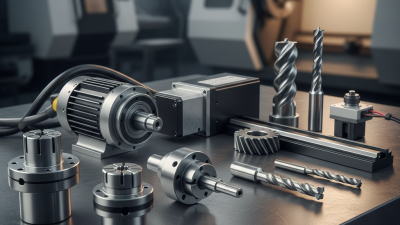
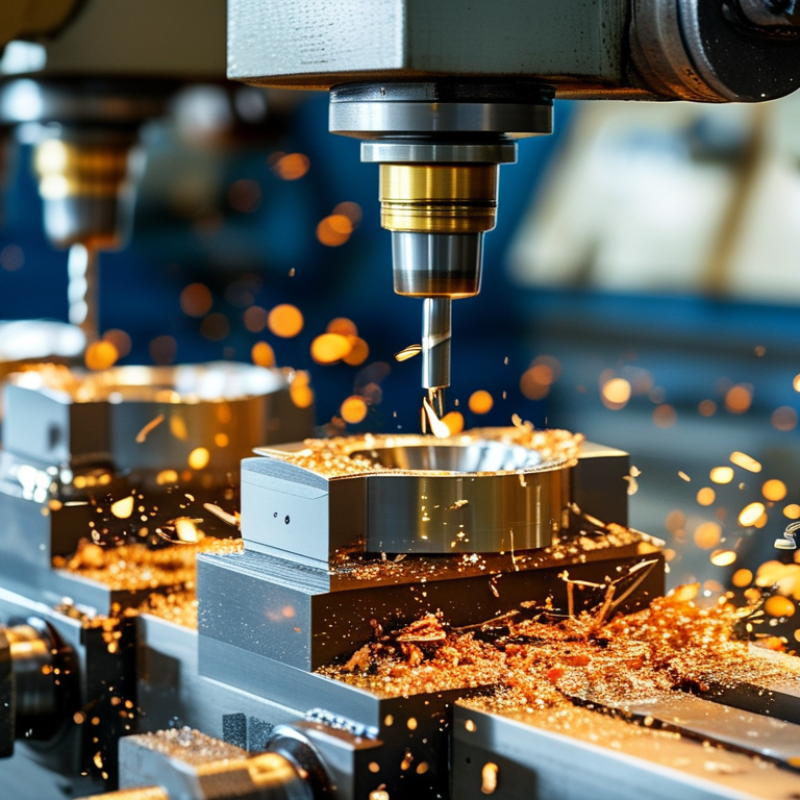
CNC machines are vital in modern manufacturing. They automate the process of cutting, shaping, and finishing materials. Understanding the core mechanical parts of CNC machines is crucial for effective sourcing. Key components include spindles, drives, and controllers. Each part plays a role in the machine's performance and accuracy.
Mechanical parts need to be specific to machine types. Spindles affect rotation speeds and precision. Drives control motion along different axes. Controllers execute programmed commands. Choosing the right parts ensures efficiency. But it’s easy to overlook compatibility issues. Mismatched components can lead to costly errors.
Sourcing these parts requires a mix of research and practical insight. Consider supplier reliability, material quality, and support services. Online platforms can provide options, but not every choice is ideal. Custom parts may be necessary, while standard options could limit capabilities. A balance of readily available parts and bespoke solutions can yield the best results. Reflecting on past sourcing decisions could reveal areas for improvement, impacting future projects.
Identifying Quality Suppliers for CNC Machine Components
Finding quality suppliers for CNC machine components requires careful consideration. Start by researching potential suppliers online. Look for reviews, recommendations, and feedback from other customers. Focus on suppliers with a proven track record. Check their experience in producing specific parts. A long-standing relationship in the industry often indicates reliability and expertise.
Engage directly with suppliers. Ask about their manufacturing processes and quality control measures. Inquire if they can provide certifications or test results for their components. Transparency is key. A supplier willing to share information is likely confident in their products. However, be cautious of red flags, such as reluctance to answer questions or provide documentation.
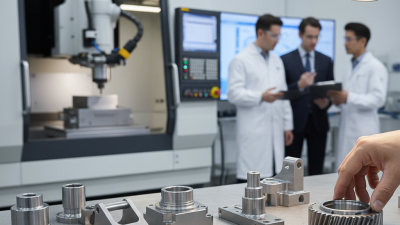
Visiting suppliers can be beneficial. If possible, tour their facilities. Observe their equipment and operations firsthand. This can help gauge their capabilities and quality standards. While not all suppliers may meet your expectations at first, maintaining a critical eye can ensure you find the right match. Always keep refining your sourcing strategy. Consistent evaluations will lead to better decisions.
Evaluating Material Options for Mechanical Part Sourcing
When sourcing CNC machine mechanical parts, evaluating material options is crucial. Different materials serve varied functions and performance needs. Each material’s properties can affect part durability and production costs. Aluminum offers excellent strength-to-weight ratios, while plastics can reduce weight without sacrificing performance. Steel, known for its rigidity, is often preferred for heavy-duty applications. However, this material can be prone to corrosion.
Consider the environment where parts will operate. Exposure to moisture, chemicals, or extreme temperatures can dictate material choice. Testing prototypes in real conditions can reveal weaknesses. For instance, a plastic might warp under heat, while aluminum may oxidize without proper treatment. Deciding on the right material isn't just about specifications; it requires thorough testing and evaluations.
Keep in mind that budget constraints can limit options. Sometimes, cheaper materials may compromise quality or longevity. This trade-off can lead to higher maintenance costs later. Always weigh short-term savings against long-term performance. The right material choice ensures efficient production, better product quality, and potentially lowers overall costs. Ultimately, investing time in material evaluation pays off in the long run.
Implementing Cost-Effective Procurement Strategies
In the manufacturing sector, sourcing CNC machine mechanical parts requires a strategic approach. Implementing cost-effective procurement strategies can lead to significant savings. According to a report by Deloitte, organizations can reduce procurement costs by up to 30% through smart sourcing tactics.
One effective strategy is to leverage bulk purchasing. Buying in larger quantities often reduces the price per unit. However, this method requires a careful assessment of your storage capabilities and demand forecasts. Overestimating needs could lead to excess inventory, tying up capital unnecessarily.
Tips: Consider using just-in-time (JIT) inventory systems. This approach helps minimize waste and reduces storage costs. Explore alternative suppliers who provide better prices without compromising quality.
Another method involves analyzing the entire supply chain. A study by McKinsey emphasizes that optimizing logistics can cut costs by 20%. Evaluate every aspect of your supply chain for potential inefficiencies. Identify bottlenecks and streamline processes accordingly.
Tips: Regularly review supplier performance. Open lines of communication can uncover issues early. This proactive approach helps maintain strong partnerships and enhances overall efficiency.
Finding the right balance between cost and quality is vital. Take the time to reflect on each sourcing decision. Small adjustments can lead to significant improvements over time.
2026 How to Source CNC Machine Mechanical Parts Effectively? - Implementing Cost-Effective Procurement Strategies
| Part Type |
Material |
Supplier Location |
Unit Cost (USD) |
Lead Time (days) |
Min Order Quantity |
| Gear |
Steel |
USA |
2.50 |
10 |
100 |
| Bushing |
Bronze |
Germany |
1.20 |
15 |
50 |
| Shaft |
Aluminum |
China |
3.00 |
20 |
200 |
| Bearing |
Ceramic |
Japan |
5.50 |
25 |
10 |
| Bracket |
Plastic |
USA |
0.80 |
5 |
500 |
Ensuring Compliance and Quality Control in Sourcing Processes
Sourcing CNC machine mechanical parts requires a keen focus on compliance and quality control. These factors shape the success of manufacturing and can impact overall business operations. Begin by understanding industry standards and regulations. Knowledge of these guidelines ensures that sourced parts meet requirements for safety and performance.
To ensure quality control, consider implementing strict evaluation processes. Partner with suppliers who provide certifications and quality reports. Regularly assess these suppliers for consistency in delivering compliant parts. Don’t overlook the importance of communication; asking questions can reveal a supplier's commitment to quality.
However, not every sourcing experience will be flawless. Some suppliers may fail to meet expectations initially. This scenario highlights the need for continuous improvement. Maintain a feedback loop to address any discrepancies. Learning from these challenges can refine your sourcing strategy and enhance long-term partnerships. Be open to adjustments as you navigate the complexities of sourcing in the CNC machining industry.
2026 CNC Machine Mechanical Parts Sourcing Analysis


 0086-15925850312

 CONTACT NUMBER