2026 Top Steel Casting Trends You Need to Know?
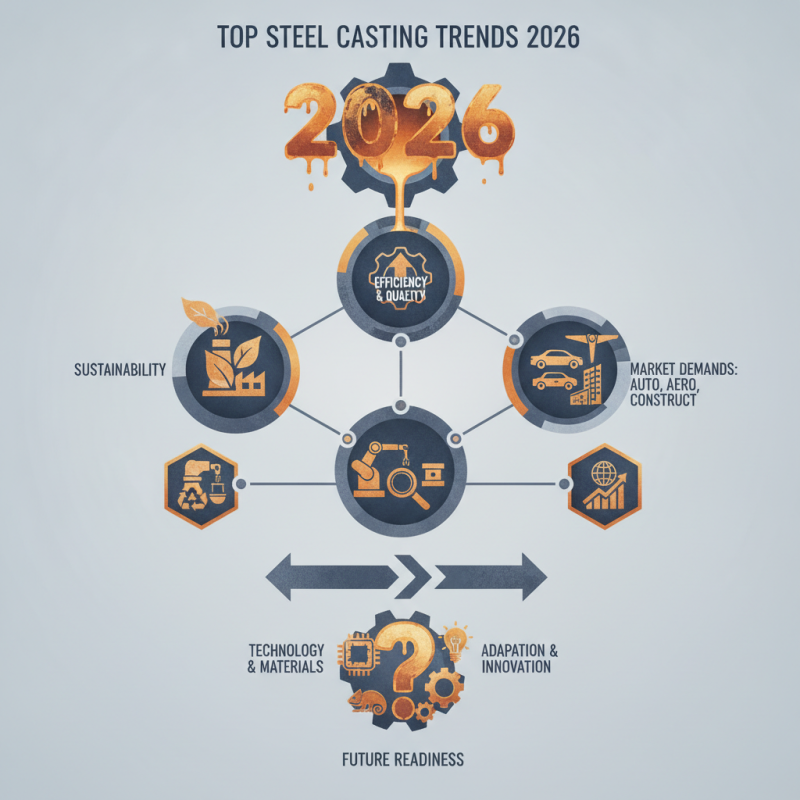
The steel casting industry is undergoing significant changes as we approach 2026. Emerging technologies and innovative practices are reshaping its landscape. Companies are focusing on sustainability, efficiency, and quality to meet rising market demands. Steel casting remains essential in construction, automotive, and aerospace industries.
As the market evolves, trends will shape how manufacturers operate. A commitment to advanced materials and processes is critical. Industry experts emphasize the importance of adapting to these changes. Failing to keep pace may hinder competitiveness. Stakeholders should remain vigilant about these trends.
Understanding the latest steel casting trends ensures better decision-making. Awareness of advancements enables companies to refine their strategies. In conclusion, staying informed is vital in this dynamic field. Prepare to embrace the challenges and opportunities that lie ahead. The future of steel casting is bright, but adaptation is key.
Emerging Technologies in Steel Casting for 2026
As we approach 2026, the steel casting industry is on the brink of transformation. Emerging technologies are reshaping how steel castings are produced, improving efficiency and quality.
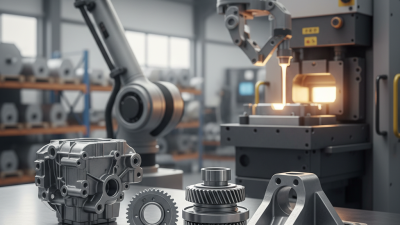
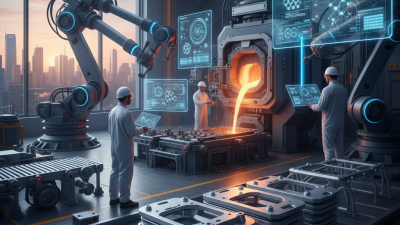
Advanced robotics are taking a more prominent role. These machines enhance precision, reducing waste and defect rates. However, the initial investment can be daunting for some manufacturers.
Artificial intelligence is also playing a significant role. AI systems analyze data in real-time, predicting failures and optimizing production lines. This can lead to substantial cost savings over time. Yet, many factories struggle to integrate such technologies smoothly. Training staff and maintaining the necessary infrastructure are common hurdles.
3D printing is another game changer. It allows for rapid prototyping and customized designs. Moreover, it minimizes the lead time for new projects. Yet, the material limitations of 3D printing still need addressing. Many companies find it challenging to create steel castings that meet industry standards. The potential is immense, but obstacles remain.
Sustainability Practices in Steel Casting Production
Sustainability in steel casting is increasingly critical. According to a recent industry report, around 70% of steel production emissions stem from traditional casting methods. This has driven many manufacturers to seek greener practices. Implementing energy-efficient technologies can reduce emissions by as much as 30%.
Using recycled materials is also a significant trend. About 40% of the steel produced globally comes from recycled scrap. This method uses less energy and minimizes waste. However, many casting firms struggle with the quality of recycled material, raising questions about consistency and performance.
Water usage is another concern. Steel casting processes often demand significant water resources, impacting local ecosystems. Reports indicate that up to 20% of water used in production can be conserved through better practices. Yet, overcoming the technical and financial barriers to implement these techniques remains a challenge for many companies. Balancing sustainability and production efficiency continues to be a complex task.
Design Innovations Shaping the Future of Steel Casting
As the steel casting industry progresses, design innovations are at the forefront of transformation. Engineers are exploring advanced materials and methods to enhance durability and efficiency. Lightweight structures are becoming a reality, leading to
reduced material waste and improved performance.
In recent years, computer-aided design (CAD) has revolutionized the way steel casting is approached. With precise simulations, designers can identify potential flaws early in the process. This not only saves time but also reduces costs associated with revisions.
However, reliance on technology raises questions about human craftsmanship.
Another noteworthy innovation is the shift toward sustainable practices. Many companies are focusing on eco-friendly materials and recycling methods. This direction shows promise but requires a balance between sustainability and production efficiency.
Stakeholders must remain vigilant about quality and safety as they pursue greener solutions.
Market Trends Influencing Steel Casting Demand in 2026
The steel casting industry is poised to experience significant shifts by 2026. Several market trends are driving this evolution. One notable factor is the increasing demand for lightweight structures in transportation. Industries like automotive and aerospace are focusing on reducing weight to improve fuel efficiency. This has led to a preference for advanced steel alloys, which offer strength without excessive weight.
Sustainability trends are also influencing steel casting demand. Many manufacturers strive to reduce their carbon footprints. Innovations like electric arc furnaces are gaining traction. These technologies use renewable energy sources and recycle scrap metal effectively. However, challenges remain. Not all manufacturers can afford the transition to greener methods. Moreover, supply chain disruptions may affect the availability of materials.
Another consideration is the rise of automation and AI in production processes. This can enhance productivity but requires substantial investment. Smaller firms may struggle with this shift. Their adaptation will determine their market presence in the coming years. Overall, the landscape for steel casting will be dynamic, shaped by these evolving trends and challenges.
2026 Steel Casting Trends
The bar chart above illustrates the projected demand for steel casting across various industries in 2026. The automotive sector shows the highest demand, followed by heavy machinery and construction. Understanding these trends can help stakeholders make informed decisions in the steel casting market.


 0086-15925850312

 CONTACT NUMBER