2026 Best Oil Pipeline Fittings for Efficient Transportation?
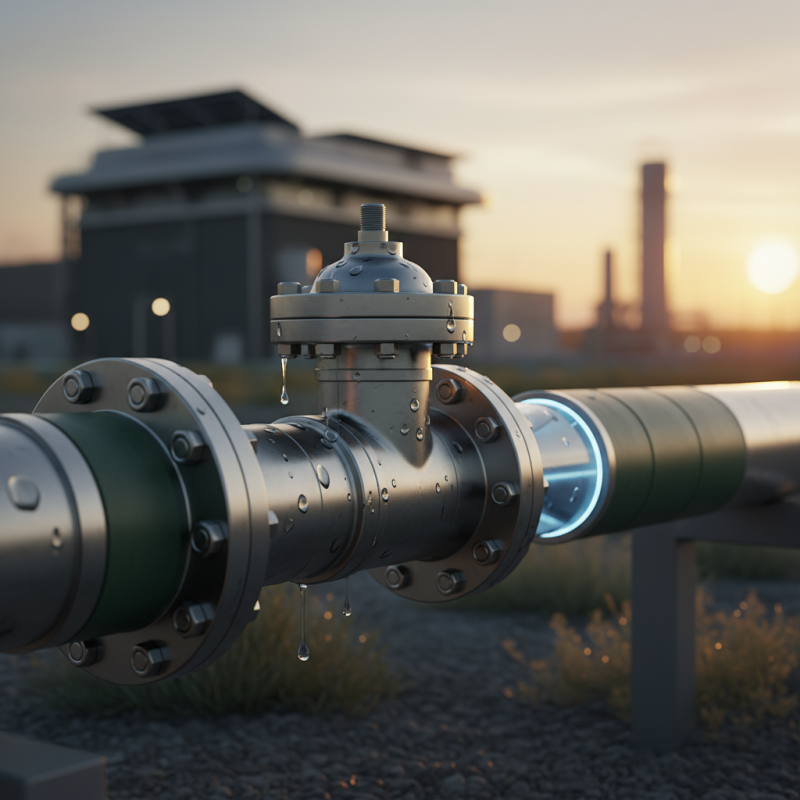
In the intricate world of oil transportation, choosing the right “Oil Pipeline Fittings” is crucial. According to industry expert Dr. Emily Chen, “The efficiency of oil transit relies heavily on our fitting selections.” Her insight reflects the pressing need for high-quality components.
Various fittings serve different functions. They must withstand immense pressure and varying temperatures. The complexity arises when considering the compatibility of materials. A mismatch can lead to inefficiencies or even failures. This highlights the importance of proper evaluation.
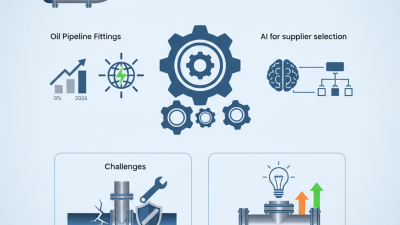
Moreover, the industry is moving toward greener technologies. Yet, many existing fittings may not meet future standards. Transitioning to safer and more efficient options is vital. We must address these challenges proactively to ensure a sustainable and efficient system. The right choices today can have long-term impacts on the energy sector.
Key Characteristics of High-Quality Oil Pipeline Fittings
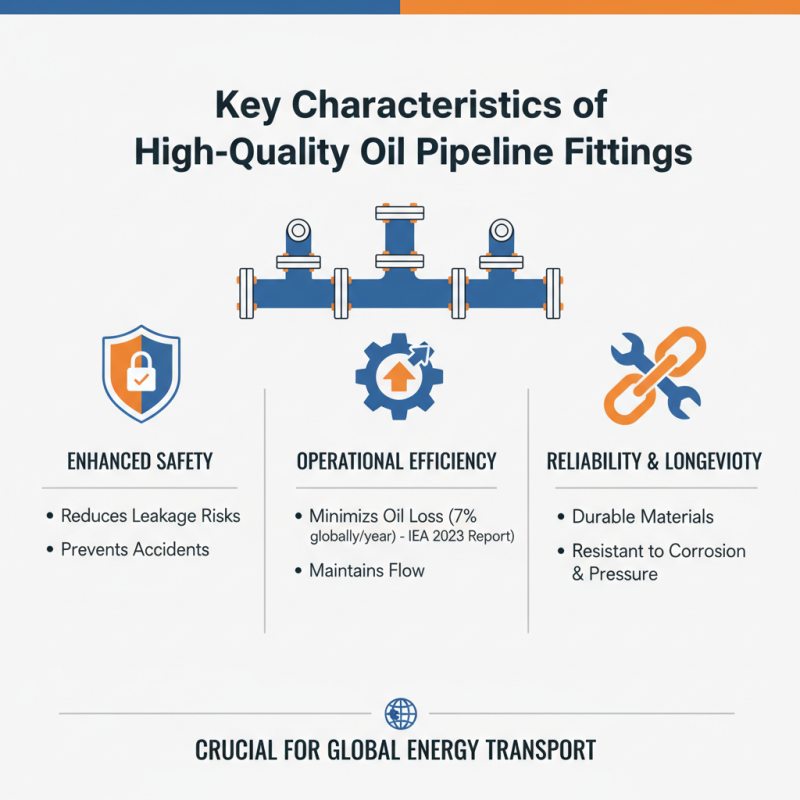
When considering the efficiency of oil transportation, the quality of pipeline fittings is crucial. High-quality fittings enhance safety and minimize leakage risks, which are significant issues in the oil industry. A 2023 report from the International Energy Agency (IEA) highlighted that faulty fittings contributed to a loss of approximately 7% of global oil supplies annually. This underscores the need for reliable fittings to maintain operational efficiency.
Key characteristics of top-tier oil pipeline fittings include material durability, pressure tolerance, and corrosion resistance. Fittings made from stainless steel or specially formulated alloys tend to perform better under extreme conditions. According to a recent study, pipelines with corrosion-resistant fittings reduced maintenance costs by up to 40%. Additionally, perfect sealing capabilities are vital, as leaks can lead to environmental disasters and financial losses.
Another significant aspect is compliance with industry standards. Fittings should meet specifications set by organizations like the American Society for Testing and Materials (ASTM). Ensuring adherence to these standards can significantly reduce failure rates and enhance overall system integrity. However, even with adherence, failures do happen, reflecting the need for continuous evaluations and improvements in fitting technologies.
Innovative Materials Used in Oil Pipeline Fittings
Innovative materials are transforming oil pipeline fittings for better efficiency. Recent industry reports suggest that the use of composite materials can improve corrosion resistance significantly. These advanced fittings can extend service life by up to 30%. This is crucial given that corrosion accounts for nearly 25% of all pipeline failures, according to the Pipeline and Hazardous Materials Safety Administration (PHMSA).
Polymer blends have emerged as a popular choice. They offer lightweight solutions, leading to easier handling and installation. Some studies highlight that these materials can reduce transport costs by 15%. While the cost of initial materials may be higher, long-term savings in maintenance are notable. Many companies are still resistant to transitioning to these new options.
Despite the benefits, there are concerns. The reliability of newer materials in extreme weather conditions calls for further analysis. Some fittings have faced challenges under high-pressure scenarios. Testing and certification are ongoing. A cautious approach is needed, as the industry seeks to balance innovation with safety and performance.
Comparative Analysis of Leading Brands in Oil Pipeline Fittings
In the realm of oil transportation, the selection of fittings can significantly influence efficiency. A comparative analysis reveals varying capabilities among leading competitors in the market. Some brands offer advanced materials, reducing leakage risk while enhancing durability. Others focus on modular designs that allow for quick installation and maintenance. Each option presents unique advantages. However, what works best may depend on specific project needs.
Understanding the intricacies of materials used in fittings is crucial. For instance, steel options are often favored for high-pressure systems, yet they can be prone to corrosion. On the other hand, plastic fittings are lightweight and resistant to certain chemicals but may lack the strength required in severe conditions. This complexity raises questions: Is a lightweight solution always the best choice?
Moreover, while some products boast impressive technical specifications, real-world performance can vary. Field tests often reveal discrepancies between laboratory conditions and actual operating environments. Stakeholders must remain vigilant, analyzing performance data while also considering environmental factors. Balancing safety, cost, and efficiency can be challenging. The quest for the ideal fitting remains an ongoing journey in the industry.
2026 Best Oil Pipeline Fittings for Efficient Transportation
This chart illustrates the performance ratings of various dimensions of oil pipeline fittings for 2026, focusing on key factors such as durability, cost effectiveness, ease of installation, maintenance, and efficiency. Each factor is rated on a scale from 0 to 100, providing insight into the most efficient transportation solutions available in the market.
Technological Advances Driving Efficiency in Oil Transportation
In recent years, the oil transportation industry has seen significant technological advancements. These innovations are transforming how pipelines function, improving both efficiency and safety. New materials are being developed that enhance the durability of pipeline fittings. For instance, advanced polymers can resist corrosion better than traditional options. This reduces the risk of leaks significantly.
Automation plays a crucial role in this evolution. Smart sensors now monitor pressure and flow rates in real time. This data allows operators to respond swiftly to any issues, minimizing potential hazards. However, there are challenges in integrating these technologies. Many companies face difficulties in training personnel to adapt to these advanced systems. Employee skill gaps can hinder the full benefits of new technology.
Moreover, enhanced communication systems are vital. They ensure that crews are informed about pipeline conditions instantly. However, reliance on digital systems raises cybersecurity concerns. Vulnerabilities may expose operations to disruptions. As the industry embraces technology, it must also remain vigilant against these threats. Balancing innovation with security will be key in the coming years.
Maintenance Practices for Optimal Performance of Pipeline Fittings
Maintaining pipeline fittings is crucial for their efficiency and longevity. Regular inspections help identify wear and tear. A comprehensive maintenance schedule minimizes costly repairs and downtime. Simple tasks like cleaning and tightening fittings can make a big difference.
Tips: Monitor for leaks regularly. A small drip can indicate a bigger issue. Check seals and joints periodically. Over time, they may degrade or loosen. Remember, regular maintenance can prevent expensive failures.
Proper lubrication of fittings is essential, yet often overlooked. The right lubricant ensures smooth operation and reduces friction. It's worth researching compatible options. Using too much or the wrong lubricant can lead to buildup and potential failures.
Tips: Keep a maintenance log. Documenting each inspection and repair helps track performance. This can highlight patterns and inform future maintenance strategies. Don't skip routine checks, even when things seem fine.
2026 Best Oil Pipeline Fittings for Efficient Transportation - Maintenance Practices for Optimal Performance of Pipeline Fittings
| Fitting Type |
Material |
Pressure Rating (psi) |
Temperature Range (°F) |
Maintenance Interval (Months) |
| Elbow |
Carbon Steel |
1500 |
-20 to 300 |
6 |
| Tee |
Stainless Steel |
1000 |
-40 to 400 |
12 |
| Coupling |
PVC |
300 |
32 to 140 |
24 |
| Flange |
Ductile Iron |
2500 |
-10 to 300 |
18 |
| Reducer |
Copper |
800 |
-20 to 250 |
12 |


 0086-15925850312

 CONTACT NUMBER