Leave Your Message

Top 10 Benefits of Using Cast Aluminum Parts in Manufacturing?

In today's competitive manufacturing landscape, "Cast Aluminum Parts" have emerged as a powerful solution. John Smith, a renowned expert in materials engineering, states, "Using cast aluminum parts can significantly enhance performance and reduce costs." This highlights the value of innovation in manufacturing processes.

Cast aluminum parts offer a versatile way to improve product quality. They are lightweight yet strong, making them ideal for various applications. The ability to mold these parts into complex shapes is a game changer. Many industries are leveraging these advantages to stay ahead.

However, challenges remain. Not all manufacturers are adept at utilizing cast aluminum effectively. There can be issues with quality control and waste. Companies must invest in proper training and technology. Only then can they fully exploit the benefits of cast aluminum parts.
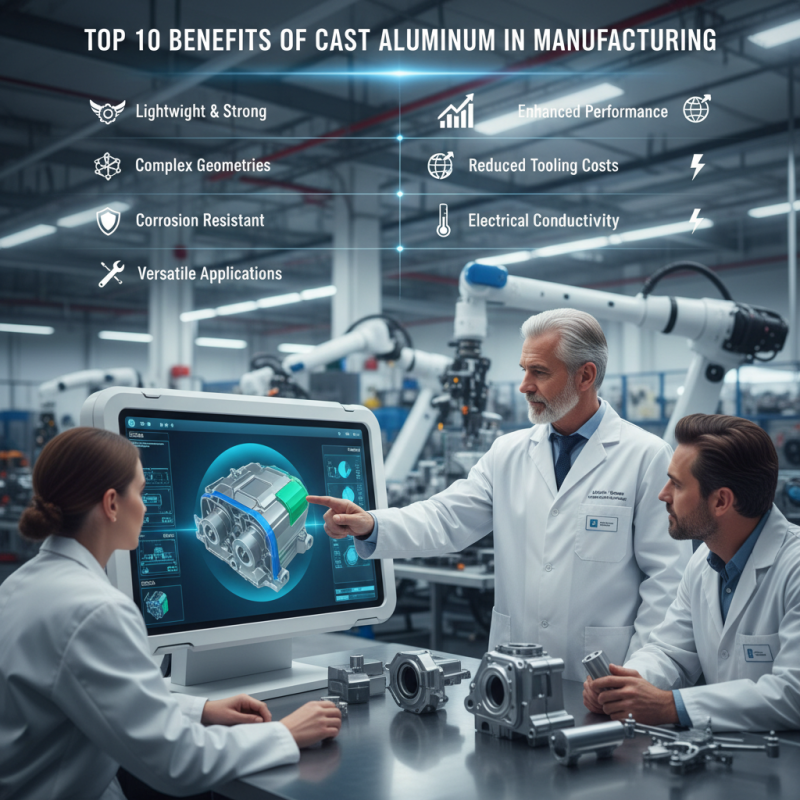
Top 10 Benefits of Using Cast Aluminum Parts in Manufacturing?

Advantages of Cast Aluminum Parts in Manufacturing Processes

Top 10 Benefits of Using Cast Aluminum Parts in Manufacturing?

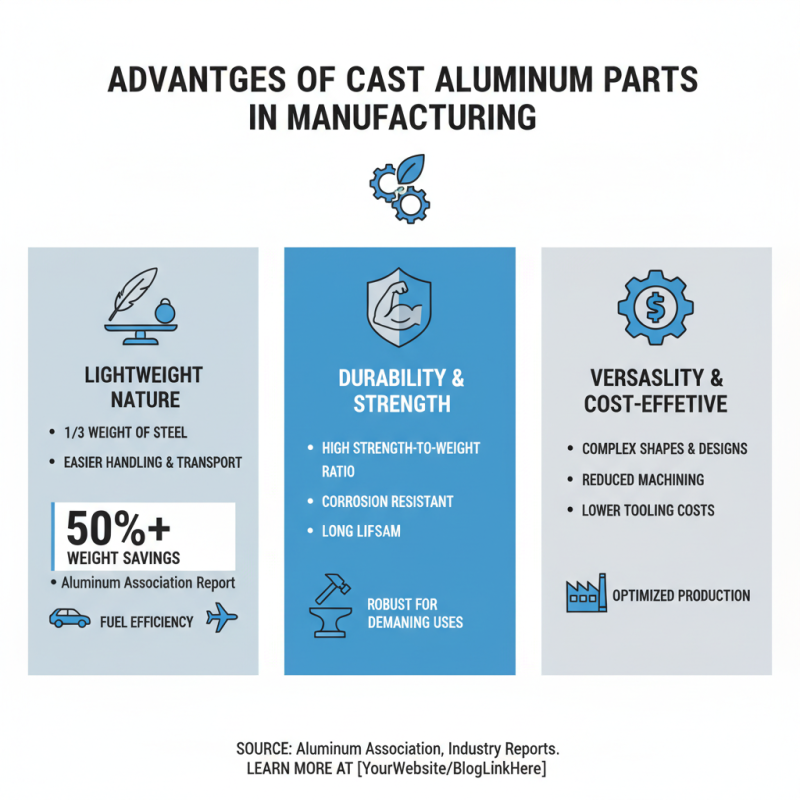
Cast aluminum parts have become a popular choice in manufacturing due to their remarkable advantages. One significant benefit is their lightweight nature. Aluminum is about one-third the weight of steel. This characteristic allows for easier handling and transportation, leading to reduced shipping costs. According to a report by the Aluminum Association, weight savings can reach up to 50% compared to conventional materials. Such reductions enhance fuel efficiency in automotive and aerospace applications.

Durability also sets cast aluminum apart. It resists corrosion better than many metals, ensuring longevity in various environments. A study from the International Journal of Materials Science indicates that aluminum parts have a lifespan two to three times longer than those made of other materials. This longevity can lead to lower maintenance costs, an essential factor in production budgets. However, it's crucial to note that improper casting techniques can lead to defects, which would negate these advantages. Consideration must be taken during the design and manufacturing stages.

Another noteworthy aspect is the design flexibility that cast aluminum offers. Manufacturers can achieve complex shapes and intricate designs without excessive tooling costs. This flexibility can lead to innovative product designs that cater to unique market demands. Still, the trade-off lies in the initial setup costs, which can be high. Balancing these factors requires careful consideration to optimize the benefits of cast aluminum parts while minimizing potential downsides.
Enhanced Strength-to-Weight Ratio for Improved Performance

Using cast aluminum parts in manufacturing offers numerous advantages, with an enhanced strength-to-weight ratio being one of the most compelling. This unique property allows products to retain structural integrity while significantly reducing overall weight. As a result, manufacturers can create components that are both lightweight and durable, leading to improved performance across various applications.

When designing products, it's vital to consider how weight impacts functionality. A lighter part can speed up operations and enhance energy efficiency. For example, in automotive manufacturing, lighter components can lead to better fuel efficiency. This could result in lower operational costs over time.

Tip: Always conduct a thorough analysis of your design needs. Evaluate whether reducing weight can enhance performance or if it compromises strength. Additionally, invest in testing and prototyping to ensure that your designs meet safety standards.

It's essential to remember that achieving the perfect balance is not always straightforward. Sometimes, reducing weight might lead to unexpected weaknesses. Manufacturers must reflect on past mistakes and learn how to optimize material choices effectively. Continuous improvement is key to successful product development.

Top 10 Benefits of Using Cast Aluminum Parts in Manufacturing

Benefit Description Impact on Manufacturing
Enhanced Strength-to-Weight Ratio Cast aluminum offers a superior strength-to-weight ratio compared to other metals. Improves performance by reducing the overall weight of products while maintaining structural integrity.
Corrosion Resistance Aluminum naturally forms a protective oxide layer, which resists corrosion. Increases lifespan of components and reduces maintenance costs.
Cost-Effectiveness Lower material costs and faster production times can lead to reduced overall costs. Enhances profitability and competitiveness in the market.
Easy Machinability Cast aluminum can be easily machined to tight tolerances. Allows for precise manufacturing of complex shapes and dimensions.
High Thermal Conductivity Aluminum conducts heat efficiently, making it ideal for various thermal applications. Enhances performance in heat exchanger and engine components.
Good Electrical Conductivity Aluminum is an excellent conductor of electricity. Ideal for electrical parts and connectors.
Recyclability Aluminum can be recycled indefinitely without loss of quality. Supports sustainability initiatives and reduces material waste.
Versatility Can be used in a wide range of applications across industries. Increases the range of products that can be manufactured.
Aesthetic Appeal Aluminum provides a sleek, modern look after finishing. Enhances the visual appeal of consumer products.
Ductility Cast aluminum can deform significantly before breaking. Provides safety features in structural applications.

Corrosion Resistance and Durability of Cast Aluminum Components

Cast aluminum components are renowned for their remarkable corrosion resistance. This quality is essential in various manufacturing environments, particularly those exposed to moisture and chemicals. Unlike steel, which can rust and degrade over time, cast aluminum often maintains its structural integrity even in harsh conditions. This property leads to longer lifespans for products, reducing the need for frequent replacements and repairs.


In addition to corrosion resistance, the durability of cast aluminum parts is impressive. They can withstand significant stress without deforming. Manufacturers frequently utilize them in applications that require high strength-to-weight ratios. However, it's crucial to recognize that not all cast aluminum parts are created equal. Variability in manufacturing processes can lead to differences in quality. Some may not meet the necessary performance standards, highlighting the need for careful selection and quality control in production.


Investing in durable components is wise, but awareness of potential shortcomings is equally important.

Cost-Effectiveness of Using Cast Aluminum in Production

Cast aluminum parts offer notable cost-effectiveness in manufacturing. According to the Aluminum Association, using cast aluminum can lower production costs by up to 30% compared to traditional materials. This is largely due to aluminum’s lightweight nature, which reduces shipping and handling expenses. In addition, the ability to cast complex shapes minimizes the need for secondary machining. This not only saves time but also reduces labor costs.

A study by the Institute of Scrap Recycling Industries found that aluminum parts have a lifespan that often exceeds that of steel. This longevity means lower replacement costs over time. Moreover, the recycling rate for aluminum is higher than 90%, contributing to overall cost savings. While the initial investment in cast aluminum might be higher, the long-term financial benefits can be substantial.

However, there are challenges in switching to cast aluminum. For example, not all parts may fully retain their integrity under stress. Manufacturers should carefully evaluate specific applications. It's vital to closely monitor manufacturing processes to ensure that cost savings do not compromise quality. Balancing these factors can be tricky, yet the overall trend shows that cast aluminum often prevails in achieving both efficiency and affordability.

Versatility and Design Flexibility of Cast Aluminum Parts

Cast aluminum parts are celebrated for their versatility and design flexibility in manufacturing. This material allows for intricate designs that are impossible with other metals. The casting process creates complex geometries with high precision. According to a report from the Aluminum Association, parts can be produced with tolerances as tight as ±0.5 mm. This precision reduces the need for secondary machining, saving time and costs.

Designing with cast aluminum also opens doors to innovation. Engineers can create lightweight components without sacrificing strength. This quality is critical in industries like automotive and aerospace, where weight reduction enhances performance. The lightweight nature of aluminum contributes to fuel efficiency and lower emissions. A study by the U.S. Department of Energy notes that reducing vehicle weight by 10% can improve fuel economy by 6-8%.

However, there are challenges. Designers must consider thermal contraction during the cooling phase. This factor can influence final dimensions and lead to defects if not properly managed. Understanding these nuances is vital for manufacturers. Tapping into the full potential of cast aluminum requires expertise and careful planning, reflecting the dynamic nature of modern manufacturing.

Top 10 Benefits of Using Cast Aluminum Parts in Manufacturing