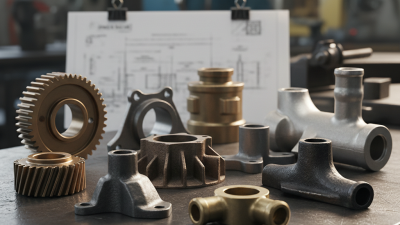
China Best Precision Aluminum Parts for Global Buyers?
In recent years, the demand for precision aluminum parts has surged globally. Companies seek reliable suppliers who can provide high-quality components. China stands out as a leading manufacturer in this sector. Their expertise in engineering and technology allows them to produce exceptional precision aluminum parts. Many global buyers have turned to Chinese manufacturers for their precision needs.
However, sourcing aluminum parts is not without challenges. Quality control and production standards can vary widely. Buyers must be vigilant in assessing manufacturers. It’s crucial to partner with companies that prioritize quality and transparency. Additionally, understanding the specific requirements for precision aluminum parts is essential. Customization options can greatly influence the final product's performance.
Navigating the landscape of suppliers requires careful consideration. Prospective buyers must research potential partners thoroughly. A commitment to quality and reliable communication is key to a successful partnership. Emphasizing these factors will lead to better outcomes in sourcing precision aluminum parts.
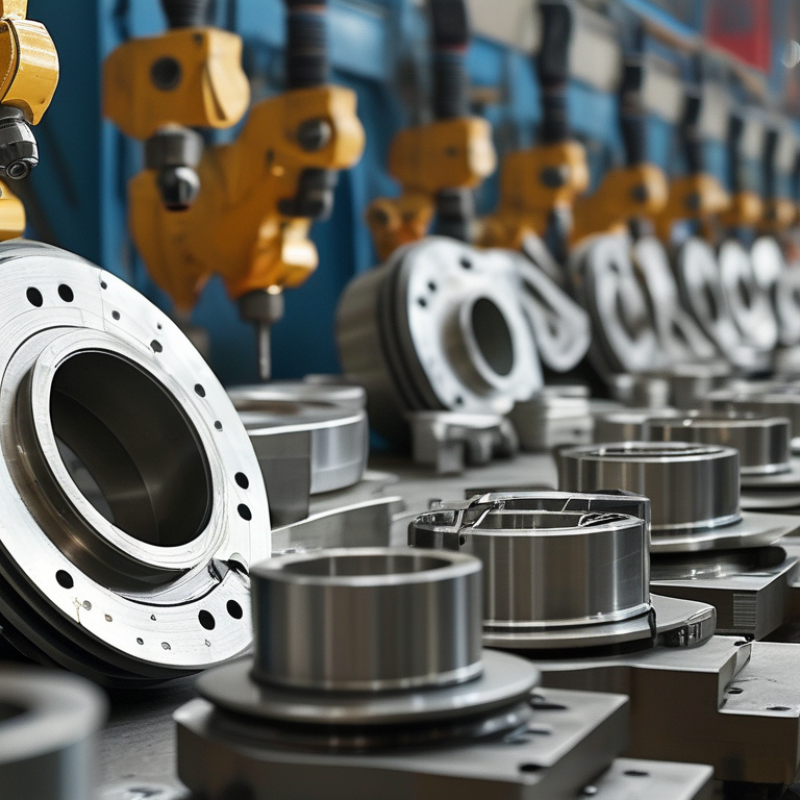
China's Aluminum Parts Industry: An Overview and Importance in Global Market
China's aluminum parts industry plays a pivotal role in the global market. With a focus on precision engineering, it supports diverse sectors like automotive and aerospace. The country has become a manufacturing hub, attracting buyers seeking high-quality components.
One notable feature of the industry is its adaptability. Manufacturers often face challenges, such as fluctuating material costs and evolving technology. Despite these obstacles, many companies excel. They innovate processes and embrace sustainability, addressing both efficiency and environmental concerns.
Quality assurance is vital in this landscape. Rigorous testing and certifications ensure that products meet international standards. Buyers can find confidence in knowing that China’s aluminum parts can enhance their projects. However, relying solely on cost can lead to compromises in quality. A balanced approach remains essential for a successful partnership.
Key Characteristics of Precision Aluminum Parts Manufactured in China
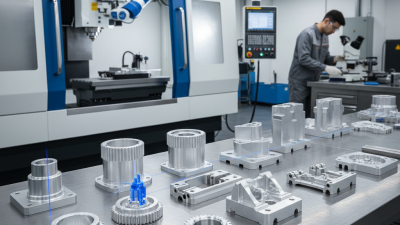
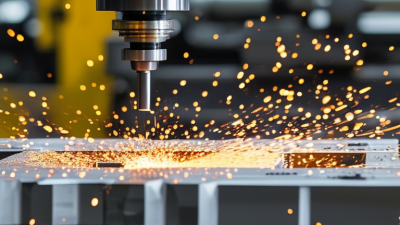
When looking for precision aluminum parts, China stands out for its capabilities. The country has developed a robust manufacturing industry that focuses on strict quality control and efficient production methods. High-precision CNC machining is prevalent here. This technology ensures every part meets rigorous specifications, making it suitable for various applications.
Moreover, China is known for its abundant material supply. Aluminum offers an excellent strength-to-weight ratio, making it ideal for various sectors, from automotive to aerospace. However, quality can vary among suppliers. It's essential for buyers to conduct proper research before making decisions. Inspecting parts thoroughly before shipment helps ensure they meet the desired standards. Despite advancements, some manufacturers might still struggle with dimensional accuracy.
The level of customization available is impressive. Many manufacturers can cater to specific designs and tolerances. Depending on the request, surface treatments like anodizing or powder coating can also be applied. However, not every supplier has the latest technology. It's crucial to assess their capabilities to avoid potential delays. Finding reliable partners requires effort, but the payoff can be substantial.
Global Demand Trends for Aluminum Parts: Analyzing Market Growth Statistics
The global demand for precision aluminum parts has been surging. Industries like automotive, aerospace, and electronics are driving this growth. According to recent market studies, the need for lightweight and durable materials is paramount. This trend highlights the importance of aluminum parts in innovation and efficiency.
In China, manufacturers are stepping up to meet international standards. Their expertise in producing high-quality aluminum components is recognized globally. The shift towards sustainability also plays a crucial role in this demand. Companies are seeking eco-friendly solutions without compromising quality or cost.
Tips: When sourcing aluminum parts, evaluate the supplier’s experience and certifications. Trust, but verify. Request samples to assess quality. Establish clear communication regarding specifications and timelines. This can help minimize potential delays. Reflect on your needs early to ensure a smoother procurement process.
Global Demand Trends for Aluminum Parts
| Region |
Market Size (Billion USD) |
Growth Rate (CAGR %) |
Top Application |
| North America |
25.3 |
3.6 |
Automotive |
| Europe |
20.1 |
4.2 |
Aerospace |
| Asia-Pacific |
40.7 |
5.1 |
Electronics |
| Middle East & Africa |
10.5 |
2.8 |
Construction |
| Latin America |
8.2 |
3.0 |
Consumer Goods |
Technological Innovations in China's Aluminum Parts Manufacturing Sector
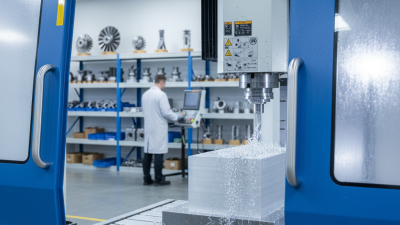
China's aluminum parts manufacturing sector is experiencing rapid technological innovations. Advanced machinery and processes are revolutionizing production capabilities. From CNC machining to automated quality assurance, these developments enhance efficiency. Companies invest in research and development to stay competitive globally.
Tips: When sourcing aluminum parts, consider suppliers that prioritize these innovations. Look for manufacturers with certifications and a solid reputation.
Sustainability is another focus. Manufacturers are exploring eco-friendly methods. Recycling aluminum reduces waste and energy consumption. This practice increases the appeal of Chinese aluminum parts in global markets.
Tips: Ask suppliers about their sustainability practices. Ensure they have transparent processes for eco-friendly production.
Challenging traditional methods is crucial. There is still room for improvement in employee training and technology adoption. Continuous learning in this sector can lead to better outcomes and innovation.
Quality Standards and Certifications for Chinese Aluminum Parts in Export Markets
When sourcing aluminum parts from China, quality standards become crucial. Many export markets require adherence to specific regulations. The most recognized certifications include ISO 9001 and ISO 14001. These demonstrate a company's commitment to quality management and environmental responsibility.
Certifications ensure that aluminum parts meet industry benchmarks. Buyers should seek suppliers with appropriate documentation. However, not every supplier may have these certifications. This can lead to inconsistencies in quality. Conducting thorough audits and checks is essential.
Furthermore, local regulations can vary significantly. Exporters must be aware of the compliance requirements in different regions. Some markets may demand additional testing or certification, adding complexity to the procurement process. Open communication with potential suppliers can highlight these aspects early on. It’s important to discuss quality expectations and compliance upfront.


 0086-15925850312

 CONTACT NUMBER