Why Choose Sand Casting Mold for Your Next Project?
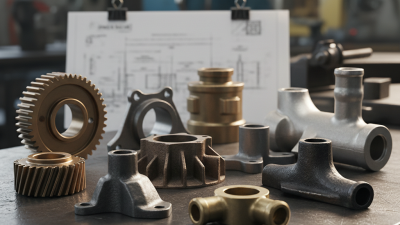
In the realm of manufacturing, choosing the right mold type can significantly impact your project's success. One option that stands out is the Sand Casting Mold. This method has been trusted for decades due to its versatility and cost-effectiveness. Sand casting allows for intricate designs and large parts that are often difficult to achieve with other processes.
A Sand Casting Mold consists of a sand mixture that can capture detailed features of your design. This flexibility is essential for many industries, including automotive and aerospace. However, it's important to note that the quality of the sand and the mold's precision can vary. Investing in high-quality materials and skilled craftsmanship is crucial for achieving reliable results.
While sand casting has clear advantages, it isn't without its challenges. The molding process requires careful control to ensure consistency and avoid defects. Issues like sand adhesion or casting imperfections can occur. Thus, continuous monitoring and adjustments are vital for optimizing outcomes. Ultimately, a well-executed Sand Casting Mold can elevate your project, making it a worthy consideration for your next venture.
Advantages of Sand Casting in Modern Manufacturing
Sand casting is a time-tested method used in modern manufacturing. Its advantages make it a popular choice for various projects. One key benefit is its versatility. Sand molds can accommodate complex shapes with intricate details. This flexibility allows for creative designs that might be challenging with other methods.
Another significant advantage of sand casting is cost-effectiveness. The materials used are generally affordable, and the production process is relatively simple. Businesses can produce large quantities without excessive initial investment. Additionally, the sand used can be recycled, reducing waste and further cutting costs.
Despite its benefits, there are challenges. Surface finish may not be as smooth as other casting methods, requiring additional processing. Precision can also vary, affecting the final product's quality. These factors necessitate careful planning. Ensuring that specifications meet project requirements is essential for successful outcomes.
Applications of Sand Casting in Various Industries
Sand casting is a versatile process used across various industries, making it a popular choice for many projects. In automotive manufacturing, sand casting is used to create engine blocks and other complex components. This method allows for intricate designs and excellent dimensional accuracy. Engineers appreciate its flexibility, enabling rapid production of prototypes or low-volume runs.
In the construction industry, sand casting is employed to produce architectural elements and structural components. Its ability to cast large, durable pieces is invaluable. Despite its advantages, some may face challenges in achieving consistent quality or surface finish. These issues often require additional processing, such as machining or finishing. Such refinements can add time and cost, prompting reflection on design choices.
Electronics and aerospace industries also benefit from sand casting. Components like housings and brackets are produced efficiently. The process allows for lightweight structures with specific material properties. Yet, achieving uniformity can sometimes be problematic. Designers must continuously assess the balance between design complexity and manufacturability. Thus, sand casting remains a compelling option for various applications, inviting ongoing improvement and innovation in techniques and practices.
Why Choose Sand Casting Mold for Your Next Project? - Applications of Sand Casting in Various Industries
| Industry |
Application |
Advantages of Sand Casting |
| Automotive |
Engine blocks, cylinder heads |
Cost-effective for large parts, complex shapes achievable |
| Aerospace |
Components for aircraft engines |
High precision, ability to create complex geometries |
| Marine |
Boat hulls, propellers |
Durable parts, corrosion resistance |
| Construction |
Structural members, fittings |
Flexible manufacturing, low tooling costs |
| Power Generation |
Turbine housings, various machinery components |
Low material waste, suitable for large castings |
The Sand Casting Process Explained Step-by-Step
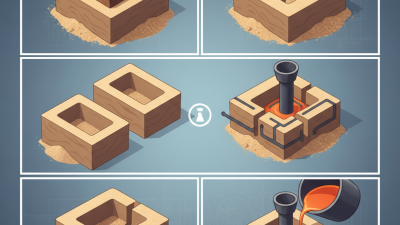
The sand casting process is quite fascinating. It begins with creating a mold from a mixture of sand and a binding agent. This mixture is packed around a pattern that represents the desired shape of the final product. The pattern is typically made from metal, wood, or plastic.
Once the sand has set, the pattern is removed, leaving a hollow space in the sand. The mold must be strong enough to withstand the molten metal.
Next, molten metal is poured into the mold cavity. This step requires precision and attention. It's crucial to monitor the temperature of the metal to ensure proper flow. Once the metal cools and solidifies, it forms the final casting.
However, challenges often arise during this stage. Proper venting is vital to avoid gas traps that can ruin the casting quality.
After cooling, the cast piece is removed and may require further finishing processes, such as grinding or machining.
The entire procedure demands skill and knowledge. Each project can reveal different outcomes based on the specifics of the mold and the metal used. It's an area where experience truly matters, as even minor errors can lead to significant issues.
Engaging in sand casting can be both rewarding and enlightening, yielding insights into production techniques and material behavior.
Materials Used in Sand Casting and Their Benefits
Sand casting is a popular method due to its versatility and ease of use. The process utilizes various materials, each bringing distinct benefits. Silica sand is the primary material used in sand casting. Its availability and excellent thermal properties make it ideal for metal pouring. The grains allow for a precise mold, capturing every detail.
Clay is often mixed with sand to enhance bonding. This combination improves the mold's strength, allowing intricate designs to be created. However, too much clay can make molds difficult to remove. Careful balance is essential in achieving the right consistency.
Resins are also used in modern sand casting. They offer improved durability and help reduce moisture issues. This results in smoother finishes and less post-processing work. Still, resin molds can be more costly and require precise handling. Each material has its benefits and drawbacks, and understanding them is key to a successful project.
Cost-Effectiveness of Sand Casting Compared to Other Methods
Sand casting has emerged as a popular method for manufacturing due to its cost-effectiveness. This technique utilizes sand as a primary material for mold-making, which significantly reduces expenses compared to alternatives like investment casting or die casting. The raw materials for sand casting are cheaper, and the process itself requires less specialized equipment. Businesses can save significantly, especially on large production runs.
Moreover, sand casting offers flexibility in design. Complex shapes can be achieved without costly modifications to molds. This adaptability promotes innovation, allowing engineers to explore unique designs without excessive financial risk.
However, sand casting does have limitations. Surface finish and precision might not meet the same standards as other methods. This is where reflecting on project requirements is essential.
Some might question whether sand casting is the best choice for high-precision components. It’s important to assess the project's specific needs. While it’s a great option for prototypes and large parts, it may not suit all applications. Evaluating the trade-offs between cost and quality fosters informed decisions. Each project deserves careful consideration of its goals and constraints.


 0086-15925850312

 CONTACT NUMBER