Top 10 China Aluminum Turned Parts for Global Buyers?
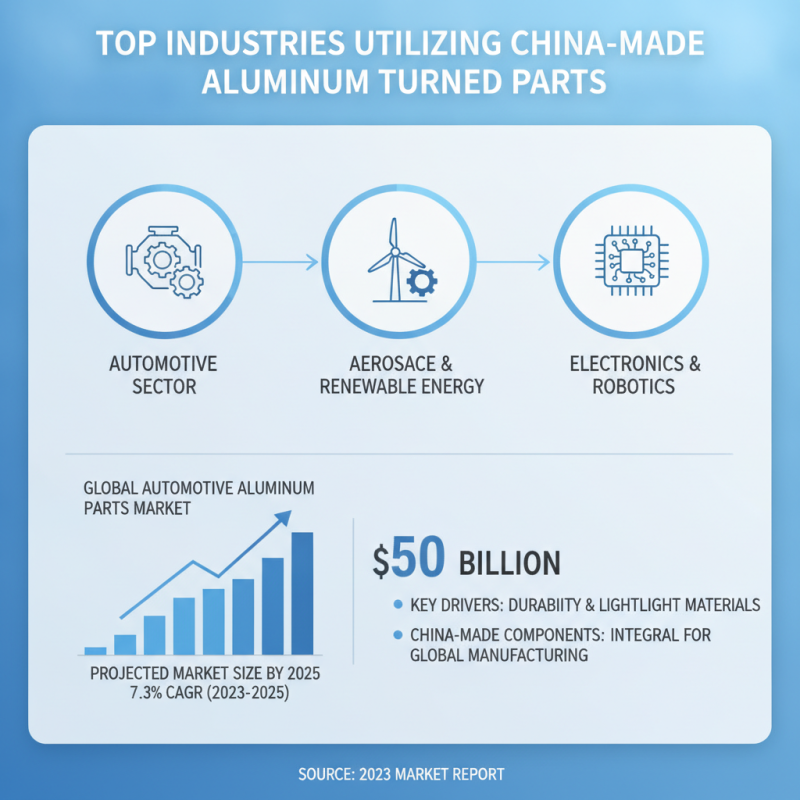
In the global marketplace, Aluminum Turned Parts are gaining immense popularity. Their lightweight and durable nature makes them ideal for various applications across industries. Buyers are increasingly looking to China for high-quality options. The significance of these parts cannot be overstated. They are essential for automotive, aerospace, and electronics sectors, among others.
However, sourcing Aluminum Turned Parts can be complex. Not all manufacturers are equally reliable or experienced. Variability in quality and standards often poses challenges for buyers. It is crucial to identify trustworthy suppliers who prioritize excellence. Carefully evaluating different options can lead to better choices.
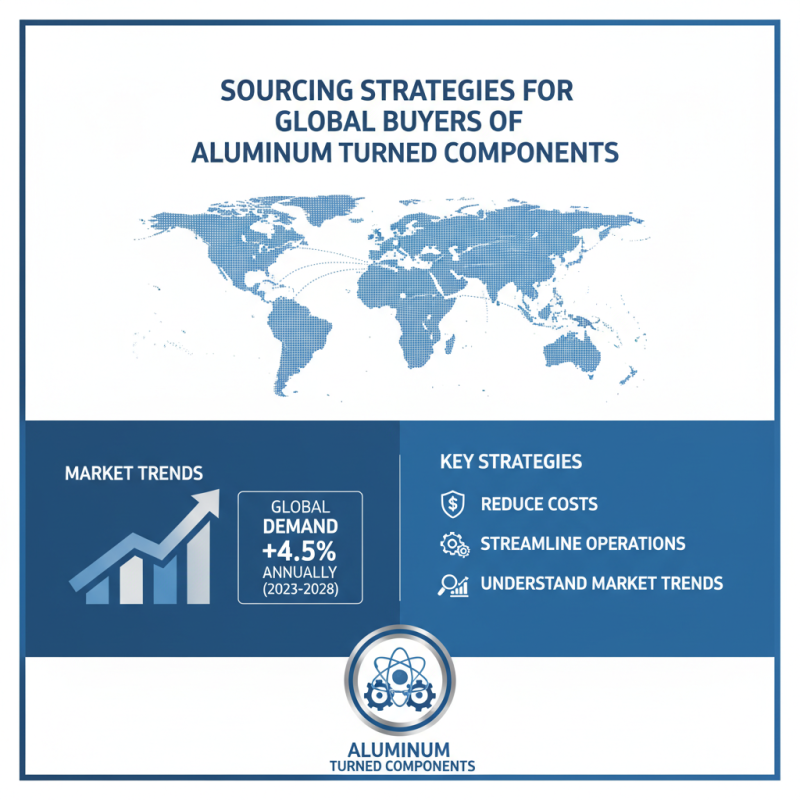
Understanding the top offerings in this sector can prevent costly mistakes. Accurate specifications and superior design can enhance product performance. We will explore the leading Aluminum Turned Parts from China, ensuring informed decisions for global buyers. By highlighting key features and considerations, this guide aims to simplify the selection process.
China's Position in Global Aluminum Turned Parts Market
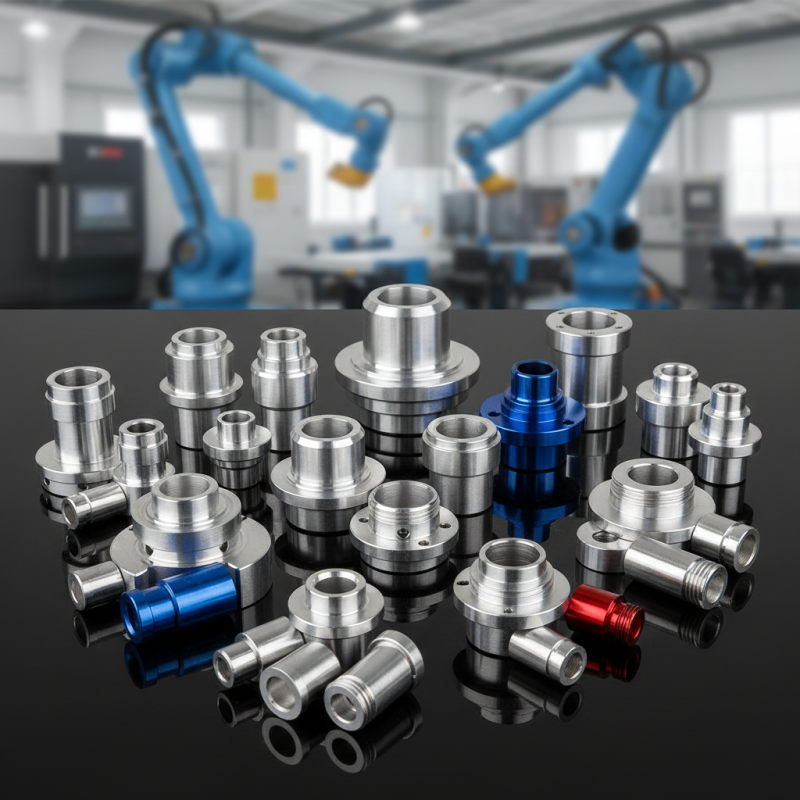
China has firmly established its position in the global aluminum turned parts market. The country's
advanced manufacturing capabilities play a significant role. Chinese manufacturers excel in producing precision components that meet various industry standards.
Their ability to balance quality and cost provides a competitive edge.
However, challenges persist. Quality control can sometimes be inconsistent. While many factories adhere to
stringent regulations, others may fall short. This variance impacts global buyers’ trust. Furthermore, the reliance on automation may lead to skill gaps in the workforce.
Addressing these issues is crucial for maintaining global competitiveness.
Sustainability is another area for improvement. The environmental impact of aluminum production raises concerns.
As eco-conscious demands rise, manufacturers must innovate and adopt greener practices. Investing in sustainable technologies can enhance credibility. By tackling these
challenges, China can strengthen its leadership in the global aluminum turned parts market.
Key Manufacturing Processes for Aluminum Turned Components in China
Aluminum turned parts are vital in various industries, particularly in automotive and aerospace sectors. China has emerged as a leading manufacturer of these components, boasting advanced machinery and skilled labor. Processes such as CNC machining, turning, and milling are commonly used in the production of aluminum turned parts. According to industry reports, China's aluminum component market is projected to grow by 6.1% annually, driven by rising demand.
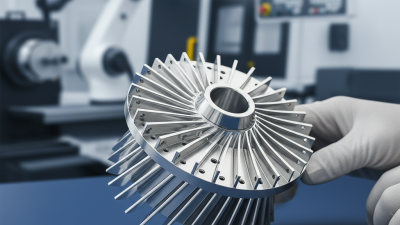
CNC machining is particularly notable. This process allows high precision and excellent surface finish. Techniques such as anodizing can enhance durability and corrosion resistance. Utilizing CAD software aids in design accuracy. A 2022 report indicated that CNC technology adoption has increased by over 15% in Chinese factories, enhancing efficiency.
Tip: When sourcing aluminum parts, consider the manufacturer's experience and capabilities. This ensures better quality and timely delivery.
While the expertise in aluminum turning is growing, quality control remains a challenge. Many manufacturers sometimes overlook stringent testing processes. Proper inspection methods are crucial. Implementing ISO standards can mitigate risks.
Tip: Always verify certifications and quality assurance practices with potential suppliers to avoid disappointments.
Factors Influencing Quality and Cost of Aluminum Turned Parts in China
Aluminum turned parts are crucial for various industries. The quality and cost of these components are influenced by several factors. First, aluminum alloy selection plays a key role. Different alloys have different mechanical properties. Reports indicate that 6061 and 7075 are widely used due to their strength and machinability. However, the choice of alloy affects both performance and pricing.
Manufacturing processes also impact quality. Precision machining requires skilled labor and advanced technology. A study found that over 30% of manufacturers face challenges in maintaining consistent quality. This inconsistency can lead to increased production costs. Additionally, the location of the manufacturing facility matters. Proximity to suppliers can reduce lead times and logistical expenses, impacting the final cost.
Finally, surface treatment options contribute to the overall cost. Anodizing, for instance, enhances corrosion resistance but adds to expenses. Reports indicate that surface treatments can account for up to 15% of production costs. Buyers must weigh these factors carefully when sourcing aluminum turned parts from China. This complex landscape reveals the importance of expertise and strategic decisions in ensuring quality and cost-effectiveness.
Top 10 China Aluminum Turned Parts for Global Buyers
| Part Name |
Material Type |
Application |
Typical Dimensions (mm) |
Cost Range (USD) |
Lead Time (Days) |
| CNC Machined Aluminum Bracket |
6061 Aluminum Alloy |
Automotive |
50 x 40 x 10 |
2.00 - 5.00 |
15 |
| Aluminum Hexagon Nut |
7075 Aluminum Alloy |
Machinery |
20 x 20 x 10 |
0.50 - 1.50 |
10 |
| Aluminum Spindle |
6063 Aluminum Alloy |
Electronics |
30 x 150 |
5.00 - 10.00 |
20 |
| Aluminum Coupling |
6061 Aluminum Alloy |
Pneumatics |
25 x 40 |
3.50 - 7.00 |
14 |
| Aluminum Plate |
6063 Aluminum Alloy |
Construction |
600 x 400 x 10 |
3.00 - 8.00 |
30 |
| Aluminum Handle |
6061 Aluminum Alloy |
Consumer Goods |
100 x 30 |
4.00 - 9.00 |
12 |
| Aluminum Fixture |
7075 Aluminum Alloy |
Industrial |
70 x 50 x 5 |
2.50 - 6.50 |
18 |
| Aluminum Cover |
6061 Aluminum Alloy |
Automotive |
150 x 100 x 3 |
6.00 - 12.00 |
22 |
| Aluminum Adapter |
6063 Aluminum Alloy |
Pneumatics |
35 x 20 |
3.00 - 5.00 |
15 |


 0086-15925850312

 CONTACT NUMBER