2026 How to Choose the Right Cnc Motor Parts for Your Project?
When embarking on a CNC project, selecting the right CNC motor parts is crucial. The performance of your CNC machine largely depends on the quality and compatibility of its components. Each part plays a vital role in ensuring precision and reliability. This choice can make or break the functionality of your entire setup.
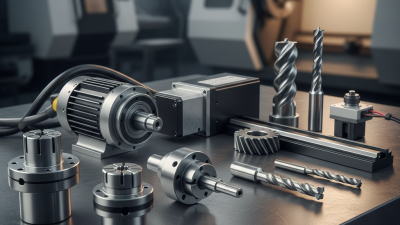
Consider the diverse range of CNC motor parts available. From stepper motors to controllers, each component has unique specifications. Understanding these specifications is essential. However, it is also easy to feel overwhelmed. With the market flooded with options, making informed choices can seem daunting. You might find that some parts do not align perfectly with your needs. It might require multiple attempts to identify the best fit for your project.
Reflect on the long-term implications of your decisions. The right CNC motor parts will lead to smoother operations. This can enhance your project's success and minimize future repairs. Yet, even seasoned professionals occasionally face challenges in parts selection. The learning curve is part of the journey. Embrace that process. Ultimately, the effort you invest in choosing the right components will pay off significantly.
Understanding the Basics of CNC Motors and Their Components
When embarking on a CNC project, understanding CNC motors and their components is crucial. A CNC motor drives the machine’s movements, making it essential to select the right motor parts. The two primary types are stepper motors and servo motors. According to industry reports, stepper motors hold about 60% of the market share due to their precision in low-speed applications. In contrast, servo motors excel in high-speed operations, offering better efficiency in complex tasks.
Choosing the right components involves several key factors. Torque, speed, and load capacity are critical considerations. For example, higher torque ratings ensure accurate cuts during operations. Additionally, focusing on the compatibility of motor parts is essential to avoid performance issues. Sometimes, it can be tempting to go for cheaper parts, but this could lead to unreliable performance in the long run.
Tips: Always consider the environment where the CNC will be used. Humidity and temperature can significantly affect motor performance. Testing components before full deployment is another good practice. Understand your project requirements fully, and continuously refine your choices. Engaging with experts in the field can provide valuable insights, ensuring you make informed decisions.
2026 How to Choose the Right Cnc Motor Parts for Your Project? - Understanding the Basics of CNC Motors and Their Components
| Component |
Description |
Specifications |
Applications |
| Stepper Motor |
A type of DC motor that divides a full rotation into a large number of steps. |
Voltage: 2.8V; Current: 1.68A; Steps per revolution: 200 |
3D printers, CNC milling machines |
| Servo Motor |
A motor that provides precise control of angular position. |
Torque: 1.1Nm; Speed: 3000 RPM |
Robots, CNC routers, automation systems |
| Power Supply |
Device providing electrical energy for the CNC system. |
Output Voltage: 24V; Output Current: 10A |
CNC machines, laser cutters |
| Controller Board |
A circuit board that controls motor functions and coordinates movements. |
Compatible with various motors, integrated software support |
CNC milling, 3D printing |
| Linear Guide |
Used to guide the motion of machine components. |
Load Capacity: 100kg; Length: Customizable |
CNC routers, laser engravers |
Identifying Your Project Requirements and Specifications
When selecting CNC motor parts, understanding project requirements is crucial. Define the machine's application, whether it’s for milling, drilling, or engraving. Different tasks demand various power outputs and torque levels. According to a recent industry report, around 65% of machinery failures stem from improper component selection. This highlights the importance of meticulously evaluating specifications.
Consider the size of the workspace and the maximum speed needed. You might find that a stepper motor is adequate for low-speed applications, while a servo motor provides better performance at high speeds. The report also indicates that around 75% of successful projects stem from correctly matching components with well-defined criteria. Failing to analyze these details can lead to inefficiencies and increased costs.
Be aware of the compatibility between various motor parts. Different motors often need specific drivers or controllers. Research indicates that 48% of users faced challenges due to mismatched components. Balancing performance with cost is essential. Striking the right balance ensures both quality and affordability, making it vital to reflect on your needs and constraints throughout the decision-making process.
Comparing Different Types of CNC Motor Parts and Their Functions
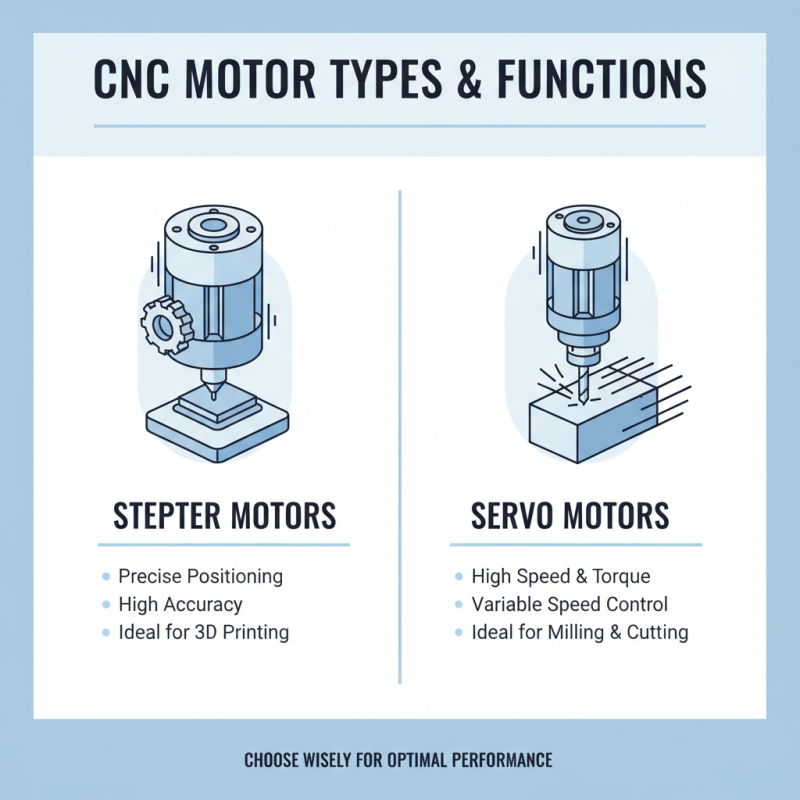
When choosing CNC motor parts, understanding their functions is crucial. Different types of motors deliver distinct performance characteristics. For instance, stepper motors provide precise control over positioning. They excel in applications requiring accuracy, like 3D printing. On the other hand, servo motors are ideal for high-speed applications due to their ability to maintain torque at varying speeds. This makes them suitable for milling and cutting tasks.
Each motor type plays a unique role in your project. Selecting the right one can significantly impact your machine's performance. Consider the load requirements and precision needed. Some parts may not deliver expected results if misused. Don't overlook the importance of power ratings and compatibility with other components. Improper pairing can lead to inefficiencies or equipment failure.
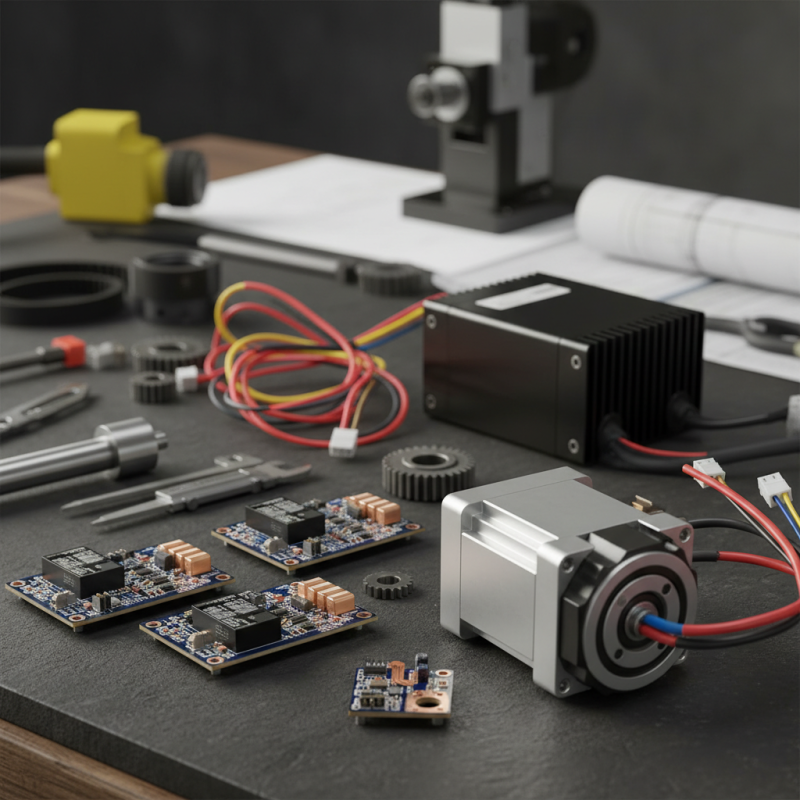
In addition to motors, other parts also matter. Drivers, wiring, and controllers all interact with the motors. Knowing how they work together helps in making informed decisions. Many overlook these interactions. Testing different configurations can provide insights into what works best. Keep an eye on performance metrics during experimentation. This hands-on approach can often reveal practical details not covered in theory.
Evaluating Quality and Durability in CNC Motor Part Selection
When selecting CNC motor parts, evaluating quality and durability is essential. The longevity of these components directly impacts project efficiency. According to a recent industry report, high-quality motor parts can increase productivity by up to 30%. The right materials make a significant difference in how motor parts withstand wear and tear.
Look for parts made from robust materials like high-grade steel or aluminum. These materials offer resilience against heat and stress. A survey of manufacturers indicated that 78% experienced fewer breakdowns when using durable components. However, some components may appear sturdy but fail under real-world conditions.
Durability testing is crucial. Components should undergo rigorous assessments to confirm their strength and reliability. Standard tests, such as fatigue resistance and temperature endurance, provide insights into performance. Many users overlook these aspects. This oversight can lead to failures down the line. Balancing cost with quality ensures you avoid frequent replacements. Choose wisely to maximize your project’s potential.
Budgeting and Sourcing CNC Motor Parts for Your Project
Budgeting for CNC motor parts is crucial for any project. Assess your needs first. Consider the specifications of your CNC machine. The quality of parts can vary significantly, impacting your overall budget. A low-cost option might save money initially but could compromise performance. This can lead to higher costs down the line in repairs or replacements.
Sourcing parts effectively requires research. Online marketplaces can provide a range of options, but be wary of the details. Check reviews and seller ratings. You may also want to visit local suppliers for direct comparisons. Engaging with communities and forums can yield recommendations and insights. This peer feedback is essential. It may uncover unexpected pitfalls or highlight reliable sources.
Consider the total cost of ownership in your planning. This includes installation and maintenance costs. Reflect on whether to buy in bulk versus individual parts. Bulk purchasing might reduce expenses but requires upfront investment. Sometimes, it’s better to opt for higher-quality items rather than fitting a fixed budget. Balancing quality with cost can lead to better project outcomes.
Budgeting and Sourcing CNC Motor Parts for Your Project
The following chart illustrates the estimated average costs of different CNC motor parts that are essential for your project. Understanding these costs can help you effectively budget and source the right components for your needs.


 0086-15925850312

 CONTACT NUMBER