What is Precision Aluminum Parts and Their Applications?
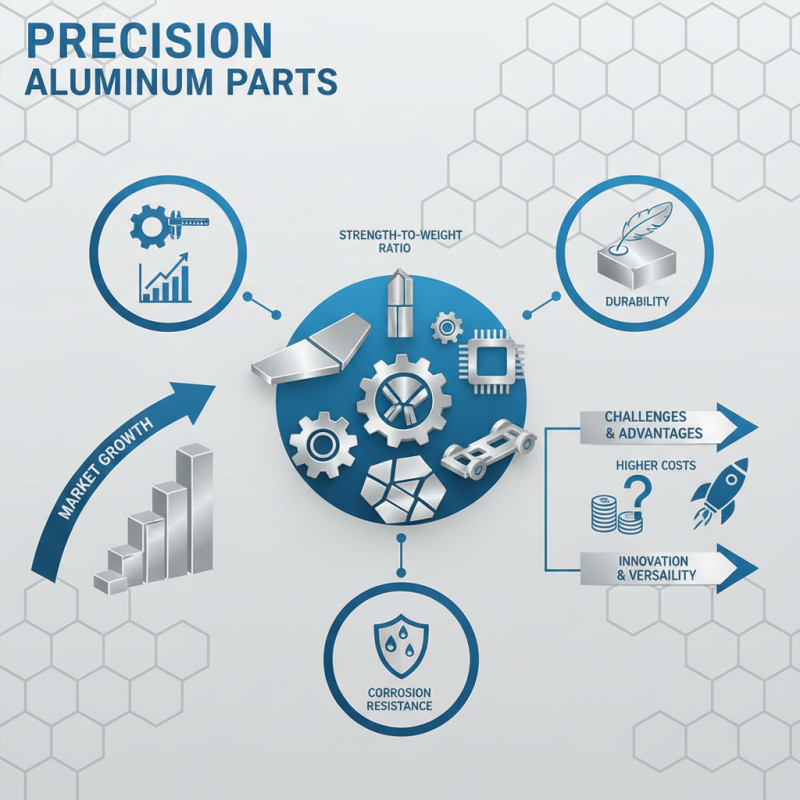
Precision Aluminum Parts play a crucial role in various industries, including automotive, aerospace, and electronics. According to a recent market analysis by Grand View Research, the global precision machining market is projected to reach USD 90.6 billion by 2027. This growth reflects the rising demand for lightweight and durable components made from aluminum.
These parts are known for their excellent strength-to-weight ratio and corrosion resistance. Industries rely heavily on them for producing complex shapes and intricate designs. Furthermore, the use of advanced machining technologies has enhanced quality and reduced production times. Yet, challenges remain. The precision required often leads to higher costs, creating a dilemma for manufacturers.
Despite these challenges, the advantages of Precision Aluminum Parts cannot be overlooked. Their applications range from simple brackets to complex aerospace components. This versatility showcases the potential for innovation in materials and manufacturing processes. Understanding the dynamics of this market is essential for businesses aiming to leverage the benefits of precision machining effectively.
Definition of Precision Aluminum Parts and Their Characteristics
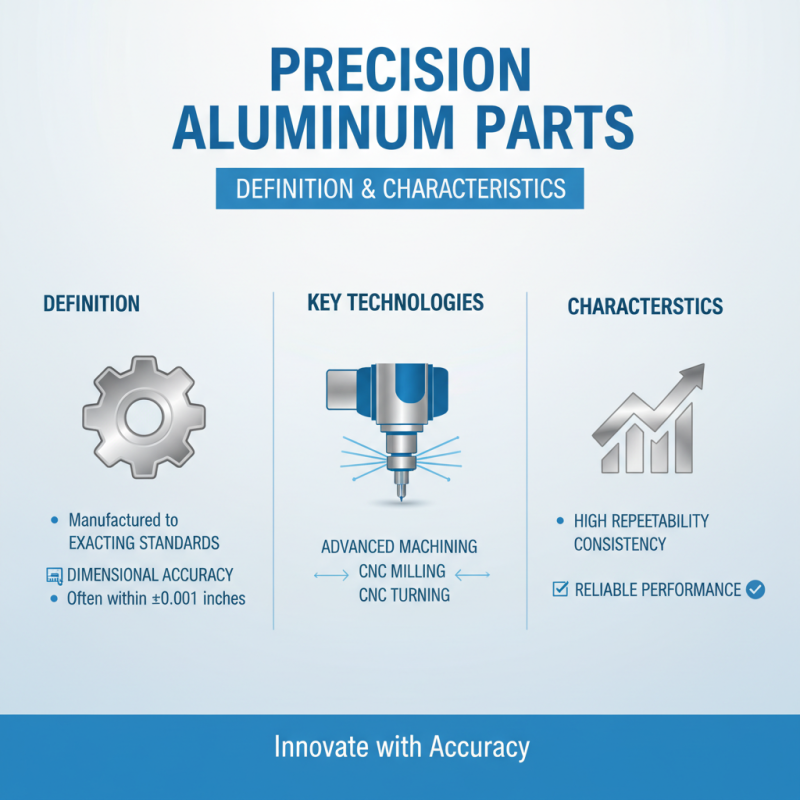
Precision aluminum parts are components manufactured with exacting standards. These parts offer excellent dimensional accuracy, often within ±0.001 inches. The precision is achieved through advanced machining techniques like CNC milling and turning. Such technologies ensure a high level of repeatability and consistency in production.
The unique characteristics of precision aluminum parts make them ideal for various applications. They are lightweight yet strong, providing an excellent strength-to-weight ratio. According to a recent industry report, aluminum components can achieve a strength approximately three times that of traditional materials. This is crucial in sectors such as aerospace and automotive, where weight reduction can enhance fuel efficiency. Additionally, aluminum's excellent corrosion resistance contributes to its longevity and reliability in challenging environments.
Despite their advantages, challenges exist in the production of precision aluminum parts. Variations in raw material quality can affect the final product. Moreover, complex designs may lead to increased lead times and costs. Continuous improvements in manufacturing processes aim to address these issues, ensuring that precision aluminum parts meet industry demands.
Manufacturing Processes for Precision Aluminum Parts: An Overview
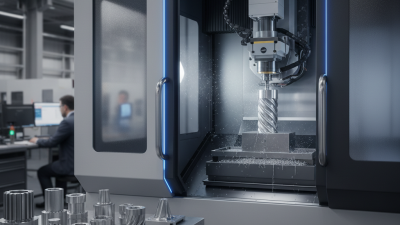
Precision aluminum parts are crafted using various manufacturing processes to meet specific industrial needs. Machining is a common method. It involves cutting aluminum into desired shapes with high accuracy. CNC machining, for instance, allows for intricate designs and tight tolerances. This method is often used in aerospace and automotive applications where precision is crucial.
Another vital process is extrusion. Aluminum is forced through a die, creating long shapes with constant cross-sections. This technique is efficient and can produce complex geometries. It’s widely used for architectural frames and tubing.
Casting is also relevant in precision aluminum manufacturing. The material is poured into molds, forming various shapes. This method is less precise than machining but can be more cost-effective for large volumes. Each process has its pros and cons. Companies must assess their needs and budget carefully. Sometimes, they may find that the initial choice needs revisiting. Understanding these processes can help businesses make informed decisions about their aluminum components.
Key Applications of Precision Aluminum Parts in Aerospace and Automotive
Precision aluminum parts play a critical role in industries like aerospace and automotive. They are known for their lightweight nature and high strength. These features make them ideal for aircraft components, where reducing weight improves fuel efficiency. Precision engineering ensures that these parts fit perfectly, enhancing safety and performance.
In the automotive sector, precision aluminum parts contribute to vehicle performance and sustainability. Many car manufacturers prioritize aluminum to reduce vehicle weight, which directly impacts fuel economy. An example includes engine components that benefit from aluminum’s thermal conductivity. However, creating these parts requires advanced techniques that not every manufacturer can implement. This brings a sense of inconsistency in quality across the industry.
Challenges exist in sourcing quality aluminum that meets precise specifications. Not all suppliers maintain the same standards. This can lead to variations that affect final products. It is crucial for manufacturers to invest time in selecting reliable suppliers. Precision aluminum parts are invaluable, yet attention to detail and rigorous quality control are essential to their success.
Key Applications of Precision Aluminum Parts in Aerospace and Automotive
Market Trends and Growth Projections for Precision Aluminum Parts
The demand for precision aluminum parts is surging across various industries, largely driven by technological advancements. According to a recent report, the global precision aluminum parts market is projected to grow at a compound annual growth rate (CAGR) of 7% from 2023 to 2030. Key applications include aerospace, automotive, and consumer electronics. These sectors prioritize lightweight and durable materials to enhance efficiency.
Recent trends show an increasing preference for customized solutions. Manufacturing processes, like CNC machining, have evolved, allowing for intricate designs and tighter tolerances. This shift demands skilled labor and advanced machinery, presenting challenges in workforce development. Furthermore, sustainability concerns are pushing manufacturers to adopt eco-friendly practices.
Investments in research and development play a crucial role in market growth. Companies need to innovate continuously to stay competitive. However, fluctuating raw material prices can hinder progress. Despite these hurdles, the shift toward automation and smart manufacturing solutions is expected to streamline production processes. This evolution presents both challenges and opportunities for the industry.
Quality Standards and Certifications in Precision Aluminum Manufacturing
Precision aluminum parts are integral in various industries, including aerospace, automotive, and electronics. To ensure high-quality production, adherence to stringent quality standards is essential. Organizations like the International Organization for Standardization (ISO) and the American National Standards Institute (ANSI) set the benchmarks for quality in manufacturing. According to a report from the National Institute of Standards and Technology (NIST), 84% of manufacturers cite compliance with these standards as crucial for maintaining quality and enhancing competitiveness.
Quality certifications, such as ISO 9001, are vital for manufacturers. These certifications require rigorous testing and documentation processes. They help verify that processes are efficient and that products meet international safety requirements. Implementing these quality standards can reduce defects and improve overall product reliability. A study by the Society of Manufacturing Engineers (SME) shows that companies with certifications have 30% fewer recalls than those without.
Tips: Regular audits can catch potential issues early. Train your team on quality management systems. Remember, maintaining quality is an ongoing process, not a one-time task. Learning from mistakes in quality management can lead to significant improvements. Embracing a culture of continuous improvement can empower your team to seek better solutions.


 0086-15925850312

 CONTACT NUMBER