How to Source Automotive Machined Parts in 2026?
Sourcing Automotive Machined Parts in 2026 requires more than comparing unit prices. Buyers must examine machining capability, material control, inspection discipline, and delivery resilience. A supplier may quote a low price, yet overlook tool wear, chip control, or secondary finishing. Those details can later become costly production problems.
W. Edwards Deming, a leading quality expert, said, “Quality comes not from inspection, but from the improvement of the production process.” His principle remains highly relevant to automotive sourcing. Reliable suppliers should show stable process controls, calibrated measuring equipment, documented material certificates, and clear corrective-action records. Ask how they manage CNC program revisions. Ask for sample inspection reports. Visit the factory when the part is safety-critical.
A strong sourcing process also connects engineering requirements with commercial decisions. Review tolerances, surface roughness, heat treatment, coating requirements, and annual volume before requesting quotations. Compare cycle time, fixture strategy, scrap rates, and packaging methods. These factors often matter more than a small price difference.
Traceability matters.
Digital production records can reveal when a batch was machined, inspected, and released. Supplier audits should include real operators, not only polished presentations. Still, no scorecard is perfect. Forecasts change, materials arrive late, and even experienced teams miss weak assumptions. That is why this guide examines practical sourcing methods for Automotive Machined Parts in 2026. It focuses on evidence, communication, and measurable risk reduction, while recognizing that supplier selection remains a judgment call.

Define Automotive Machined Parts and Their Application Requirements
How to Source Automotive Machined Parts in 2026?
Automotive machined parts are precision components shaped by removing material from bar stock, forgings, or castings. CNC turning, milling, drilling, and grinding create features that molded parts cannot always achieve. Common examples include shafts, valve bodies, sensor housings, gears, and suspension connectors. Their value comes from controlled geometry, stable material performance, and repeatable assembly fit.
Application requirements must come before supplier selection. Define the load, operating temperature, vibration, fluids, service life, and installation position. A transmission shaft may need high fatigue strength and hardened surfaces. A sensor housing may require corrosion resistance, tight sealing, and carefully controlled threads. Specify critical dimensions, datums, tolerances, surface finish, burr limits, and cleanliness levels. Drawings should also identify material grades and required heat treatment.
Details matter here.
In production reviews, I have found that a tighter tolerance is not automatically better. It can increase cost without improving vehicle performance. Machining plans should connect each critical feature to a measurement method, such as CMM inspection, gauge checks, or process monitoring. Request material certificates, inspection records, capability data, and clear lot traceability. For safety-related parts, approval steps and change control need stronger discipline. Still, drawings are sometimes incomplete. That weakness should be discussed early, not hidden during quotation. A practical sourcing team validates the design, process risk, packaging, and expected annual volume before comparing prices.
Set Technical Specifications, Materials, Tolerances, and Quality Standards
How to Source Automotive Machined Parts in 2026?
Reliable sourcing begins with a complete technical specification, not a vague part sketch. Define the material grade, hardness range, surface finish, critical dimensions, and intended operating temperature. Include the latest drawing revision. Small revision errors can create expensive batches.
For machined aluminum, steel, or stainless components, connect each material choice to actual service conditions. Consider corrosion, vibration, heat, and repeated loading. Specify dimensional tolerances by function, rather than tightening every dimension. Excessive precision increases cost without improving performance. A 0.01 mm tolerance may be necessary for a bearing seat, but wasteful on an external edge.
I have seen suppliers quote quickly when drawings lacked datum references. That is risky. State datums, geometric tolerances, thread standards, chamfers, and inspection points clearly. Ask for material certificates, calibration records, first-article inspection reports, and batch traceability. Use measurable acceptance criteria, such as surface roughness limits and hardness results. Visual inspection alone is not enough.
Quality planning should match production volume. For early samples, inspect every critical feature. For stable production, use process capability data and controlled sampling.
Review how the supplier manages tool wear, coolant contamination, and dimensional drift. These details matter.
One warning remains. Perfect documentation does not guarantee perfect parts. Audit the process, compare inspection methods, and question results that look unusually clean. A supplier should explain failures openly, not hide them behind polished reports.
Identify and Compare Qualified Automotive Machining Suppliers
How to Source Automotive Machined Parts in 2026?
A qualified supplier should prove more than a polished website. Request recent capability records for five-axis milling, CNC turning, grinding, and in-process inspection. Review sample drawings, tolerance notes, material certificates, and measurement reports. A practical audit should examine tool storage, coolant control, calibration labels, and traceability at the machine. Ask how operators handle a 0.01 mm tolerance after tool wear appears. Their answer reveals shop-floor experience. It often does.
Compare suppliers using the same RFQ package. Include annual volume, forecast changes, surface finish, heat treatment, packaging, and delivery windows. Check whether quoted cycle times match machine capacity and actual inspection steps. A low price can hide weak fixturing, excessive rework, or unstable raw material control. Ask for first-article evidence and nonconformance records, with sensitive data removed. Reliable suppliers explain corrective actions without blaming the customer. Still, no audit predicts every delay. Staffing changes and design revisions can expose planning gaps. Leave room for honest uncertainty.
Tips: Score each supplier across quality, engineering response, capacity, lead time, and total landed cost. Give quality the strongest weighting for safety-critical components. Contact two recent industrial customers, if permission is available. Send a small pilot batch before approving full production. Measure burrs, concentricity, thread fit, and surface finish yourself. Keep evaluation evidence in one dated file. That discipline prevents memory from choosing the cheapest quote.
How to Source Automotive Machined Parts in 2026?
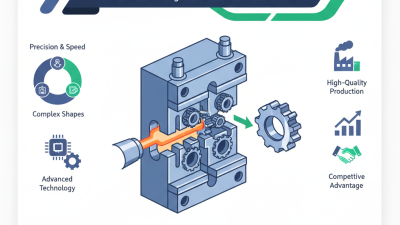
Illustrative buyer-side qualification scorecard for comparing automotive machining suppliers
A practical supplier comparison should prioritize quality-system evidence, process capability, PPAP readiness, material traceability, delivery capacity, and total cost. The percentages represent a configurable procurement baseline rather than data from any individual company or brand.
Validate Samples and Establish a Reliable Supply Agreement
How to Source Automotive Machined Parts in 2026?
Validate Samples and Establish a Reliable Supply Agreement
Electric vehicle production is changing machining requirements. The Global EV Outlook 2025 reports more than 17 million electric cars were sold in 2024. Buyers now need tighter tolerances, lighter alloys, and stronger traceability. A supplier’s sample must prove more than visual quality. Request dimensional reports, material certificates, surface-finish records, and process capability results. Measure critical features independently. Do not rely only on the supplier’s inspection sheet.
I have found that a controlled sample run reveals practical problems early. Check burrs under magnification. Inspect threads with calibrated gauges. Review first-off, mid-run, and final measurements. For critical dimensions, ask for Cpk data, with the target agreed before production. The IATF 16949 framework supports risk-based control, while PPAP provides a useful approval structure. Still, paperwork can hide weak process discipline.
Build the supply agreement around measurable behavior. Define tolerances, approved materials, packaging, delivery windows, change-notification rules, and corrective-action deadlines. Include audit access and retained inspection records. The World Bank Logistics Performance Index 2023 highlights tracking, timeliness, and logistics competence as key performance areas. Add these metrics to monthly reviews. A 98% delivery rate may sound strong, but repeated late shipments can stop an assembly line. That shortcut is tempting. I would also test a second source before volume commitment, even when the first supplier performs well. Source stability is never guaranteed.


 0086-15925850312

 CONTACT NUMBER