Top 10 CNC Automotive Parts from China for Global Buyers?
The global market for CNC automotive parts has seen significant growth in recent years. According to a report by MarketsandMarkets, the CNC machining market is projected to reach $100 billion by 2025. This growth is driven by the increasing demand for precision and efficiency in automotive manufacturing. CNC automotive parts are vital for ensuring high performance and reliability in vehicles.
China stands out as a leading supplier of CNC automotive parts. With its advanced manufacturing capabilities, China produces a wide range of components to meet global standards. The quality and cost-effectiveness of these parts make them attractive to manufacturers worldwide. However, challenges remain. Buyers must navigate the complexities of sourcing and quality assurance. It is essential to partner with reputable suppliers.
As the automotive industry evolves, the demand for innovative CNC automotive parts will continue to rise. Trends such as electric vehicles and automation are reshaping the landscape. Companies must stay informed to capitalize on these opportunities. Understanding the nuances of sourcing CNC automotive parts from China will be crucial for maintaining competitiveness in the global market.
Top CNC Automotive Parts Manufactured in China
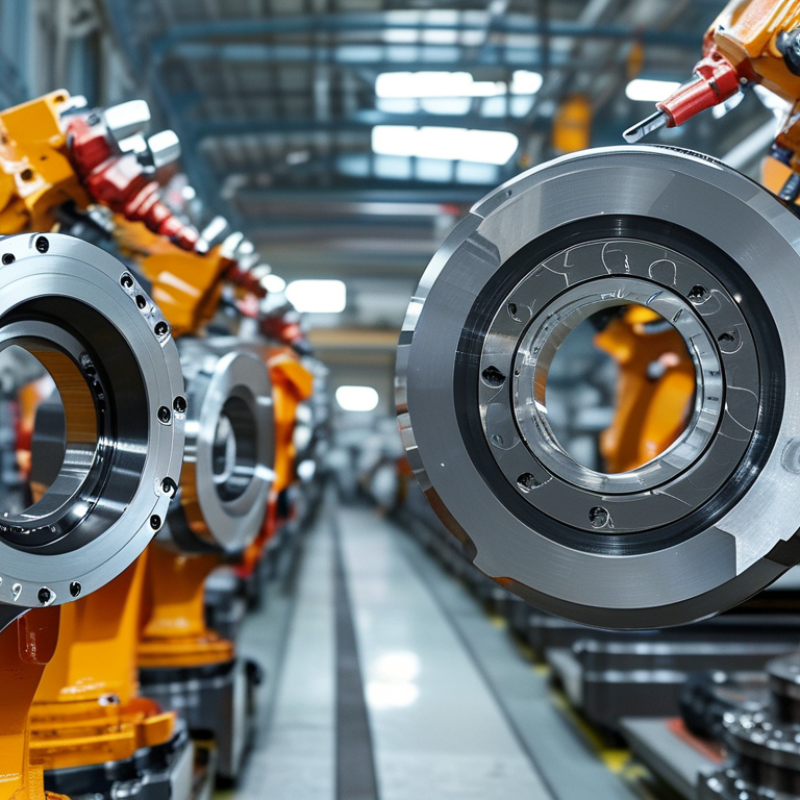
China's CNC (Computer Numerical Control) automotive parts industry has seen remarkable growth. According to industry reports, the global CNC machine tool market was valued at approximately $73 billion in 2020, with automotive applications driving a significant share. The demand for precise, high-quality parts continues to rise, particularly as manufacturers increasingly focus on efficiency and innovation.
Key components such as engine blocks, transmission housings, and chassis parts are widely produced in China. These parts leverage advanced technologies and skilled labor, ensuring high precision. Reports indicate that the CNC machining process can achieve tolerances within +/- 0.002 inches, crucial for automotive applications where accuracy is paramount. However, challenges remain in consistent quality control. Variability in raw materials and workmanship can lead to parts that do not meet specifications.
Furthermore, the growing emphasis on electric vehicles (EVs) is altering the landscape of CNC parts production. Industry forecasts suggest that by 2025, around 25% of automotive sales will come from EVs. This shiftmay result in changes in parts manufacturing, with a focus on lighter materials and complex geometries. Despite the opportunities, potential supply chain disruptions and fluctuations in labor costs need careful consideration as they can impact international buyers.
Top 10 CNC Automotive Parts from China for Global Buyers
| Part Name |
Material |
Application |
Processing Type |
Production Capacity |
| CNC Machined Bracket |
Aluminum Alloy |
Suspension System |
CNC Milling |
1000 pieces/month |
| CNC Gear |
Carbon Steel |
Transmission System |
CNC Turning |
500 pieces/month |
| CNC Shaft |
Stainless Steel |
Drivetrain |
CNC Machining |
800 pieces/month |
| CNC Piston |
Aluminum |
Engine |
CNC Milling |
700 pieces/month |
| CNC Valve |
Brass |
Fuel System |
CNC Turning |
600 pieces/month |
| CNC Housing |
Plastic Composites |
Electrical Systems |
CNC Machining |
1500 pieces/month |
| CNC Spacer |
Aluminum Alloy |
Chassis |
CNC Milling |
900 pieces/month |
| CNC Frame |
Steel |
Body Structure |
CNC Machining |
400 pieces/month |
| CNC Control Panel |
Plastic |
Interior |
CNC Machining |
1200 pieces/month |
| CNC Linkage |
Aluminum Alloy |
Steering System |
CNC Turning |
500 pieces/month |
Key Characteristics of CNC Automotive Parts from China
CNC automotive parts from China are gaining traction in the global market due to their precision and cost-effectiveness. These components are manufactured using advanced CNC (Computer Numerical Control) technology, which ensures consistent quality and high tolerances. Reports indicate that the global CNC machining market is projected to reach $100 billion by 2025, illustrating the growing demand for these parts.
Key characteristics of CNC automotive parts include lightweight materials and exceptional durability. Many manufacturers utilize aluminum alloys and composites to enhance performance while reducing weight. It's essential to ensure that these parts meet stringent quality standards. A study showed that 30% of suppliers struggle with quality control, leading to higher rejection rates. This is a critical area for buyers to consider when sourcing components.
Tips: Always verify the certifications of your suppliers. Look for ISO compliance, as it ensures adherence to international quality standards. Regular audits can help maintain quality and reliability. Don’t overlook the importance of supplier communication. Poor communication can lead to misunderstandings and delays, impacting production timelines.
Benefits of Sourcing CNC Parts from China for Global Buyers
Sourcing CNC parts from China offers global buyers various advantages. One significant benefit is cost-effectiveness. China has a vast network of manufacturers with competitive pricing structures. This makes it easier for buyers to obtain quality parts at reduced rates. Global companies can save money while scaling production without sacrificing quality.
Additionally, Chinese suppliers are often equipped with advanced technology. This means they can produce intricate designs and meet specific quality standards. Buyers can receive customized parts tailored to their needs. The ability to collaborate closely with manufacturers enhances the entire production process.
When sourcing CNC automotive parts, consider these tips:
- Communicate clearly with your supplier.
- Ensure you provide detailed specifications.
- Evaluate potential partners through reviews and samples.
- Analyze each option thoroughly to check certifications and past work.
Quality control is key to successful sourcing.
Market Trends in CNC Automotive Parts Supply Chain
The CNC automotive parts supply chain is experiencing significant changes. Buyers are now focusing on quality and sustainability. With the rise of electric vehicles, demand for lightweight and durable components is increasing. Manufacturers in China are adapting to these trends. They aim to meet international standards while reducing environmental impact.
Collaborations between suppliers and manufacturers are essential for efficiency. Many companies are looking to streamline operations. This ensures timely deliveries and better cost management. However, the reliance on overseas suppliers can lead to vulnerabilities. Industry players must address potential disruptions in logistics.
Communication is key in this landscape. Clear expectations between buyers and sellers can foster trust. Yet, issues often arise from cultural differences and language barriers. Companies should invest in training staff to navigate these complexities. This proactive approach can enhance relationships and improve supply chain reliability.
Top 10 CNC Automotive Parts Supply Trends
Quality Assurance Standards for CNC Parts in the Automotive Industry
Quality assurance in CNC automotive parts is critical for global buyers.
The automotive industry demands precision and reliability.
In 2020, the global CNC machining market was valued at approximately $70 billion.
This figure is projected to grow with increasing production demands.
Standards such as ISO 9001 play a vital role in maintaining quality.
Compliance with these standards ensures consistent quality across CNC parts.
These parts must withstand scrutiny in performance and durability.
In contrast, not all manufacturers meet these rigorous benchmarks.
Recent surveys indicate that about 25% of CNC parts fail to meet international quality standards.
This raises concerns about long-term reliability. Buyers must conduct thorough inspections before procurement.
Some manufacturers still lack traceability, making it difficult to ensure quality over time.
This gap illustrates the need for better oversight in the manufacturing process.


 0086-15925850312

 CONTACT NUMBER