China Top 10 Cnc Automotive Parts for Enhanced Vehicle Performance?
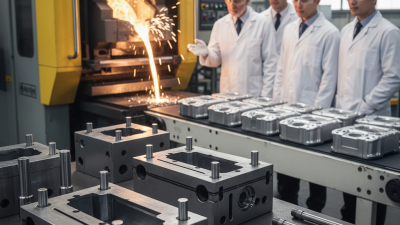
In the rapidly evolving automotive industry, the significance of CNC automotive parts cannot be overstated. According to a report by MarketsandMarkets, the global CNC machining market is projected to reach $100 billion by 2026, driven by the demand for precision and efficiency. CNC automotive parts play a crucial role in enhancing vehicle performance, improving durability, and ensuring safety.
Automakers are increasingly relying on advanced CNC technology to produce components with tight tolerances. This method reduces production time and minimizes material waste. It has been noted that CNC machined parts can lead to a 30% reduction in lead times. However, challenges remain. The intricacies of CNC programming and potential machine malfunctions require skilled professionals. Furthermore, reliance on advanced CNC technology can lead to higher costs, making it essential for manufacturers to weigh the benefits and drawbacks carefully.
The automotive sector's future hinges on adopting CNC automotive parts. These parts will not only enhance vehicle performance but also contribute to sustainable practices by reducing waste. Industry leaders must be proactive in addressing challenges while leveraging the advantages of CNC technology. Continuous improvement and adaptation will be vital to staying competitive in this dynamic landscape.
Overview of CNC Machining in Automotive Industry
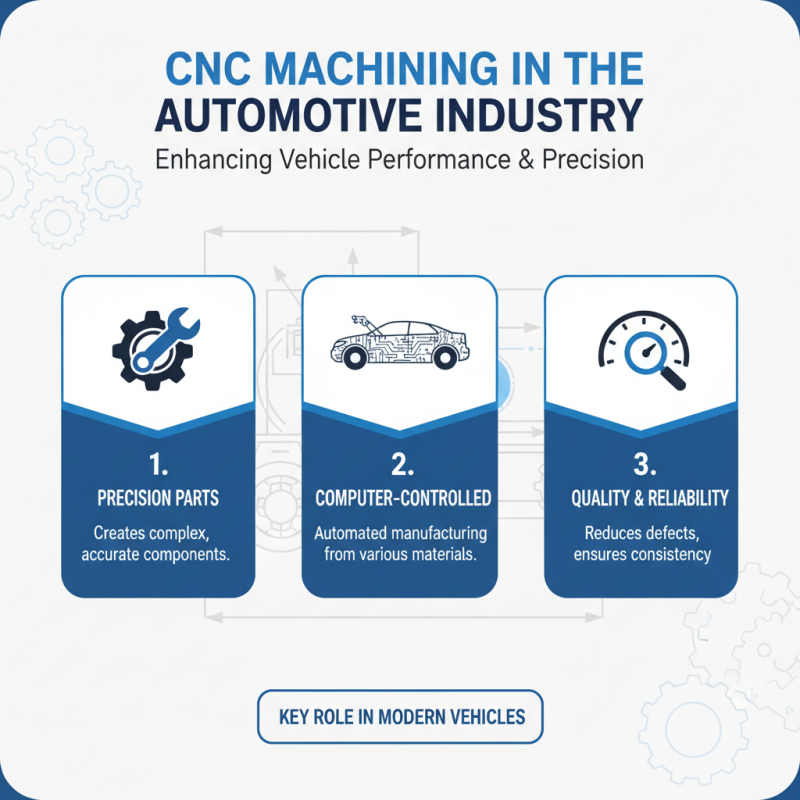
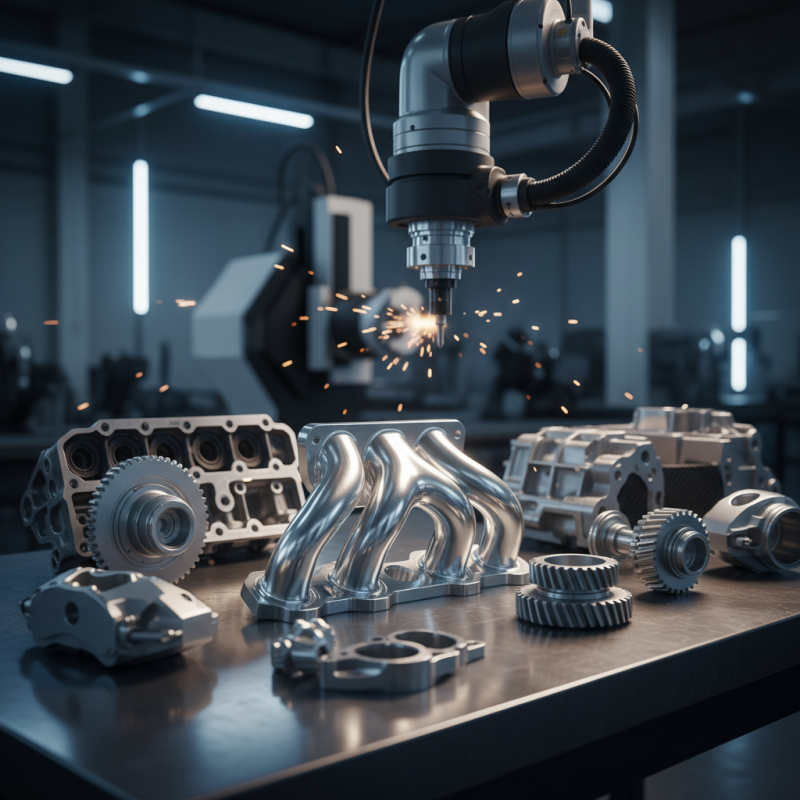
CNC machining plays a pivotal role in the automotive industry. It enhances vehicle performance by producing precise and complex parts. This manufacturing method uses computer-controlled machinery to create components from various materials. The accuracy of CNC machining ensures consistent quality, reducing the likelihood of defects.
The automotive sector benefits greatly from CNC technology. For instance, custom engine parts, brake components, and suspension systems are often created using CNC techniques. Each part is tailored to meet specific performance standards. This level of customization is critical as it allows manufacturers to optimize vehicle performance. However, the reliance on technology can lead to challenges, such as potential programming errors or machine malfunctions.
Despite its advantages, CNC machining requires skilled operators. Training and expertise are essential to maximize the benefits. A lack of knowledge can result in production delays and increased costs. It's crucial for companies to invest in workforce development. While CNC machining is efficient, ongoing assessments are necessary to ensure quality and reliability. Continuous improvement is key to staying competitive in the automotive market.
Key Features of CNC Automotive Parts for Performance Enhancement
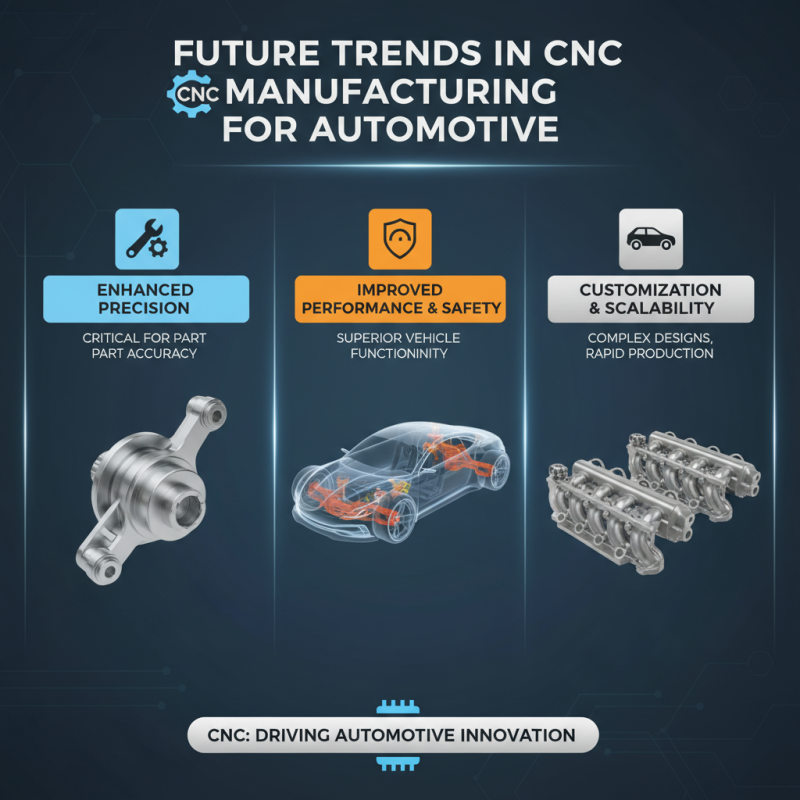
CNC automotive parts play a crucial role in enhancing vehicle performance. These precision-engineered components are essential in modern cars. According to a recent report from the Automotive Industry Association, CNC technology improves the manufacturing accuracy of parts by up to 99%. This unmatched precision ensures better fitting and functionality.
Key features of CNC automotive parts include reduced weight and improved strength. Lightweight components, such as those made from aluminum, can decrease overall vehicle weight. A lighter vehicle can enhance fuel efficiency significantly. For instance, studies indicate that every 10% reduction in weight can improve fuel economy by 6-8%. This is vital for compliance with increasingly stringent environmental regulations.
Another important aspect is the surface finish of CNC parts. A smoother surface can reduce friction, leading to better performance. Reports show that high-quality surface finishes can decrease wear by 30%. However, challenges remain. The cost of CNC technology can be a barrier for some manufacturers. Additionally, not every part can be effectively produced with CNC methods. This limits the scope but highlights the potential for ongoing improvements in automotive design and engineering.
China Top 10 CNC Automotive Parts for Enhanced Vehicle Performance
| Part Name |
Material |
Key Features |
Performance Benefit |
| CNC Machined Cylinder Head |
Aluminum Alloy |
Precision fit, improved airflow |
Enhanced engine efficiency |
| CNC Billet Camshaft |
Steel |
Custom profiles, durability |
Increased power output |
| CNC Cut Intake Manifold |
Composite Material |
Lightweight, optimized design |
Improved throttle response |
| CNC Machined Brake Calipers |
Aluminum |
Lightweight, high strength |
Shorter stopping distances |
| CNC Aluminum Wheel Hubs |
Aluminum Alloy |
Strength, corrosion resistance |
Improved handling stability |
| CNC Steering Knuckles |
Forged Steel |
Durability, precise fit |
Better weight distribution |
| CNC Exhaust Manifold |
Stainless Steel |
Enhanced flow, reduced weight |
Increase in horsepower |
| CNC Drive Shafts |
Carbon Fiber |
Lightweight, high strength |
Improved acceleration |
| CNC Racing Valve Covers |
Aluminum Alloy |
Lightweight, cooling properties |
Enhanced engine temperature management |
| CNC Oil Pans |
Aluminum |
Improved oil flow |
Optimized engine lubrication |
Top 10 CNC Machined Automotive Components for Performance Improvement
In the automotive industry, performance is paramount. CNC machined components play a crucial role in enhancing a vehicle's capabilities. Precision manufacturing ensures that parts fit perfectly and function seamlessly. Key components include engine mounts, brake calipers, and gear shifters. Each piece contributes to the vehicle's overall performance.
Engine mounts made through CNC machining improve stability. They reduce vibrations and ensure smoother rides. Brake calipers are another vital component. They offer better stopping power and increased heat resistance. Gear shifters, precisely cut, provide quicker response times during gear changes. These improvements can transform driving experiences.
Despite the advantages, challenges exist. CNC machining can be cost-prohibitive for some manufacturers. Additionally, achieving tight tolerances isn't always guaranteed. A slight error could affect performance. Therefore, careful planning and skilled labor are essential in this process. Continuous improvement and innovation are necessary to stay ahead in the competitive automotive market.
Top 10 CNC Machined Automotive Parts for Enhanced Vehicle Performance
Innovative CNC Technologies Transforming Vehicle Performance
Innovative CNC technologies are revolutionizing automotive parts manufacturing. These advancements enhance vehicle performance significantly. CNC, or computer numerical control, allows precision machining of complex parts. This level of accuracy leads to lighter, stronger components. They improve fuel efficiency and overall performance.
Engine components, suspension parts, and brake systems benefit immensely from CNC machining. Each piece is crafted to exact specifications. This reduces errors and increases reliability. Modern CNC machines work faster, producing parts that were once time-consuming to make. However, the transition to CNC technology is not without challenges. There is a learning curve for manufacturers. Adapting to these machines requires investment and training.
Quality control remains a critical issue. Even slight deviations can impact performance. As manufacturers embrace this technology, ongoing evaluation is crucial. Staying updated with the latest CNC capabilities can help refine processes. Investing in CNC technology may lead to better outcomes, but attention to detail is essential. Continuous improvement in methods is necessary for optimal performance.


 0086-15925850312

 CONTACT NUMBER