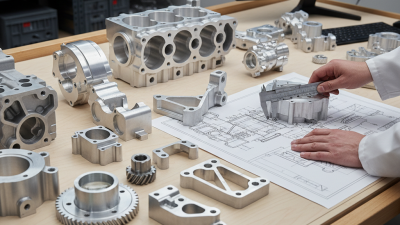
Why Choose Aluminum Precision Parts for Your Manufacturing Needs?
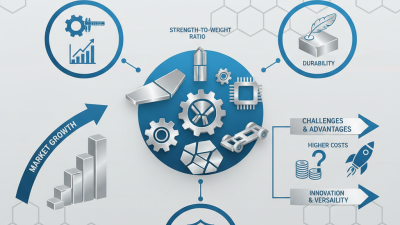
In today's competitive manufacturing landscape, Aluminum Precision Parts have emerged as a vital component for innovation and efficiency. With the global demand for precision components projected to grow by 8% annually, manufacturers are seeking materials that promise strength and versatility. According to the latest market report by Smith & Associates, aluminum parts account for over 35% of the precision components market, showcasing their essential role in manufacturing.
Expert in the field, Dr. Jane Wilson, notes, "Aluminum Precision Parts provide an ideal balance of weight and strength, crucial for modern applications." This statement underscores the significance of aluminum in sectors such as aerospace and automotive, where performance and reliability are non-negotiable.
However, the industry faces challenges. Quality control and sourcing materials sustainably are ongoing concerns. As companies strive for both efficiency and environmental responsibility, the choice of Aluminum Precision Parts must be reevaluated constantly. This way, manufacturers can ensure they are making informed decisions that align with industry advancements and sustainability goals.
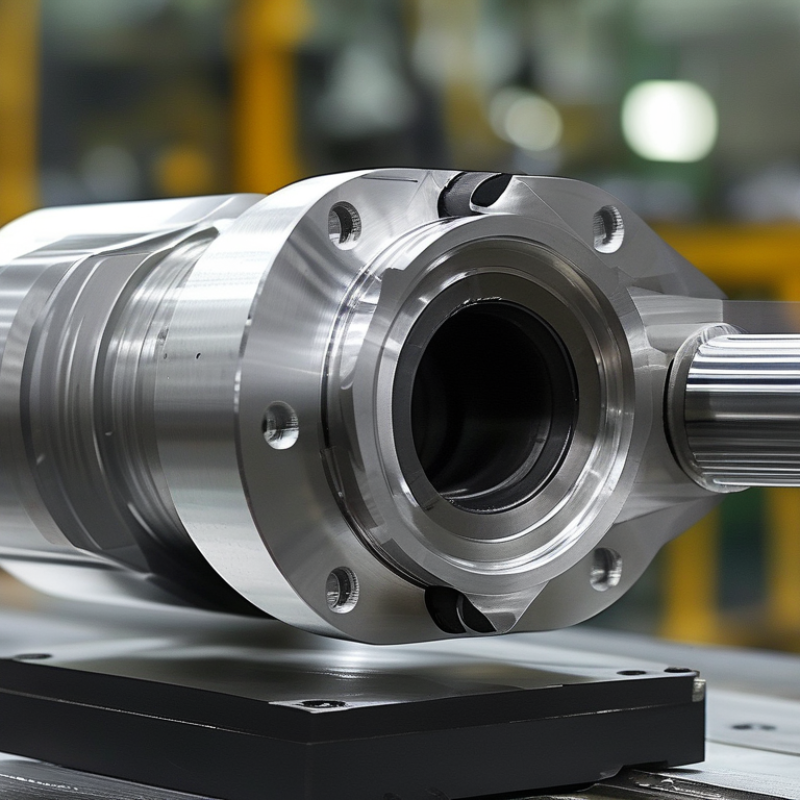
Advantages of Using Aluminum in Precision Parts Manufacturing
Aluminum has gained traction in precision manufacturing due to its unique properties. It is lightweight yet strong. According to the Aluminum Association, lightweighting in transportation can improve fuel efficiency by up to 30%. This feature is essential for automotive and aerospace industries, where reducing weight directly impacts performance and sustainability.
The corrosion resistance of aluminum is another significant advantage. This attribute makes it suitable for products exposed to various environments. A study by the International Aluminum Institute states that aluminum can last for decades without significant degradation. This durability reduces the need for frequent replacements, offering cost savings over time.
Moreover, aluminum’s versatility in fabrication opens doors for intricate designs. Advanced machining techniques allow for the production of complex shapes and tight tolerances. However, this takes precision and skill, and not all manufacturers can achieve these standards consistently. Attention to these challenges is critical. By understanding aluminum's advantages, manufacturers can make informed decisions that align with their quality and performance objectives.
Why Choose Aluminum Precision Parts for Your Manufacturing Needs?
| Advantage |
Description |
Application |
| Lightweight |
Aluminum is much lighter than steel, which can contribute to lower shipping costs and improved energy efficiency. |
Automotive and Aerospace Industries |
| Corrosion Resistance |
Aluminum naturally forms a protective oxide coating that helps resist corrosion, making it suitable for outdoor applications. |
Construction and Marine Applications |
| High Strength-to-Weight Ratio |
Aluminum provides excellent strength without the excess weight, allowing for durable yet lightweight components. |
Telecommunication Towers and Sporting Equipment |
| Recyclable |
Aluminum can be recycled indefinitely without losing its properties, making it an environmentally friendly option. |
Consumer Goods and Packaging |
| Thermal Conductivity |
Aluminum efficiently conducts heat, which is important for applications requiring heat dissipation. |
Heat Sinks and Electronics |
Applications of Aluminum Precision Parts Across Various Industries
Aluminum precision parts are becoming essential in multiple industries. Their lightweight nature and high strength make them a preferred choice. In the aerospace sector, for instance, aluminum components can reduce aircraft weight by up to 15%, improving fuel efficiency and performance. The global aerospace aluminum market is projected to grow significantly, reaching $117 billion by 2025, according to industry reports.
In the automotive industry, aluminum precision parts are crucial for enhancing vehicle performance. Many manufacturers are now adopting aluminum to meet fuel efficiency regulations and reduce emissions. A study shows that replacing steel with aluminum can decrease vehicle weight by 30%, leading to a 5-7% reduction in fuel consumption. This trend is supported by the fact that lightweight materials can enhance overall safety without compromising strength.
Moreover, the medical sector increasingly relies on aluminum precision parts for instruments and implants. These parts are highly customizable and offer excellent biocompatibility. However, some concerns arise regarding the durability and corrosion resistance of aluminum in certain applications. Continuous research and development are needed to address these challenges.
Comparative Analysis: Aluminum vs. Other Materials for Precision Parts
When considering materials for precision parts,
aluminum stands out significantly against others. Its
lightweight nature is a major advantage. This characteristic makes it easier to handle during manufacturing. Additionally,
aluminum resists corrosion, ensuring longevity. It is ideal for applications where durability is key.
However, there are disadvantages to using aluminum. It may not support high-load applications as effectively as steel. In situations where
strength is paramount, steel or titanium can be better options. These materials offer more rigidity. Yet, they add weight,
which may not be suitable for all projects.
In terms of cost, aluminum is often
more affordable than titanium or composite materials. This can enhance project viability. However, lower cost can sometimes mean
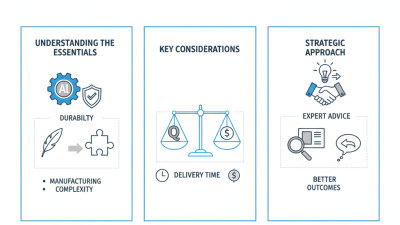
trade-offs in performance. Thus, careful consideration is essential. Each project requires a tailored approach to select suitable materials.
Balancing performance, cost, and application needs guides this decision.
Factors to Consider When Choosing Aluminum for Manufacturing Needs
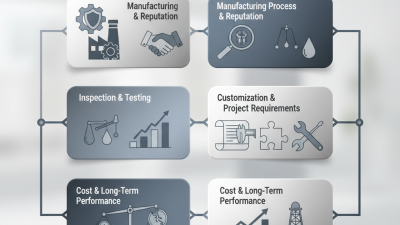
Choosing aluminum for precision parts involves several key factors. First, consider the alloy type. Different aluminum alloys offer varying strength, weight, and corrosion resistance. Aircraft applications often require high-strength alloys, while automotive manufacturing may prioritize lighter options.
Next, evaluate the manufacturing process. Techniques like machining, casting, and extrusion yield diverse results. Each method affects the overall durability and finish of the final product. Understanding the specific requirements of your project is crucial. For instance, machining may produce tighter tolerances, but it's often costlier.
Additionally, think about surface treatments. Anodizing can enhance corrosion resistance and improve aesthetics. However, not all treatments suit every application. Assessing the environmental conditions where parts will be used is essential. Ultimately, the balance between cost and performance is vital in the decision-making process. Mistakes in material selection can lead to significant setbacks. Ensuring precise alignment with project goals will improve outcomes.
Best Practices for Fabricating and Finishing Aluminum Precision Parts
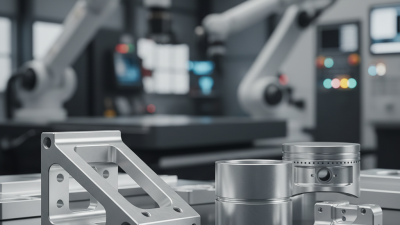
When fabricating aluminum precision parts, attention to detail is paramount. The manufacturing process should start by choosing the right alloy. According to the Aluminum Association, the 6061 alloy is renowned for high strength and good workability, making it ideal for critical applications. Using advanced CNC machining enhances precision. This technology allows manufacturers to achieve tolerances as tight as ±0.002 inches.
Finishing processes also play a significant role in the final product. Anodizing is a popular choice, adding a protective layer that enhances corrosion resistance. Reports indicate that anodized parts can withstand harsh environments without significant degradation. However, achieving a consistent finish is challenging. Factors such as temperature and chemical composition must be closely monitored.
Quality control should never be an afterthought. Implementing inspection techniques like Coordinate Measuring Machines (CMM) ensures parts meet specifications. Industry data shows that 89% of defects occur during early manufacturing stages. Regular audits and reviews can help address these issues. Reflecting on these practices can reveal areas for improvement in production efficiency.


 0086-15925850312

 CONTACT NUMBER