Why Are High-Pressure Unions Essential for Global Sourcing?
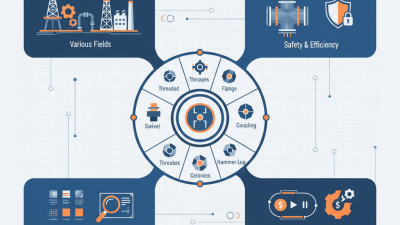
In today's competitive manufacturing landscape, the importance of High-Pressure Unions cannot be overstated. These components play a critical role in ensuring the safety and efficiency of high-pressure systems used in various industries. According to a report by MarketsandMarkets, the global market for high-pressure equipment is projected to reach $12 billion by 2025, highlighting the growing reliance on these technologies.
High-Pressure Unions facilitate seamless connections in piping systems, especially in oil and gas, aerospace, and chemical processing sectors. Their ability to withstand extreme conditions is vital for maintaining the integrity of operations. However, the sourcing and procurement of these unions can introduce complexities. Some companies fail to recognize variations in quality, leading to potential risks and inefficiencies.
Global sourcing of High-Pressure Unions requires a keen understanding of supplier capabilities and certifications. Reports indicate that 72% of supply chain leaders struggle with supplier risk management. Therefore, establishing robust relationships with reliable suppliers becomes crucial. A thoughtful approach can mitigate risks while ensuring the procurement of high-quality components that enhance operational safety and efficiency.

The Concept of High-Pressure Unions in Global Sourcing
High-pressure unions play a pivotal role in global sourcing. They establish robust connections among stakeholders, ensuring seamless collaboration. These partnerships thrive even under demanding circumstances. They encourage innovation and efficiency. Each member brings unique insights to the table. This diversity drives problem-solving and adaptability.
The concept of high-pressure unions emphasizes trust and accountability. Members share responsibilities and results. This approach creates a sense of belonging and commitment. However, it’s not always easy. Miscommunication can arise, leading to potential setbacks. Regular check-ins and open dialogue are crucial for overcoming these challenges.
In a world that requires quick adaptability, these unions are invaluable. They allow for rapid responses to changing market dynamics. Still, organizations should reflect on how to improve teamwork. Exploring ways to strengthen these connections can yield significant rewards. Creating an environment of respect and understanding ensures everyone is aligned.
The Role of High-Pressure Unions in Enhancing Supply Chain Efficiency
High-pressure unions play a crucial role in supply chain efficiency. They ensure reliable connections in various industries, such as automotive and manufacturing. According to a recent report from the International Supply Chain Institute, companies that implement high-pressure unions can boost operational efficiency by up to 15%. This improvement often leads to faster production cycles and reduced downtime.
These unions allow for safer and more efficient fluid transfer, essential in high-demand applications. In a survey conducted by the Global Fluid Power Association, 70% of industry professionals reported reduced leakage incidents when using high-pressure unions. However, implementing these systems does come with challenges. Maintaining proper installation and regular inspections remains vital. Neglecting these areas can lead to costly failures.
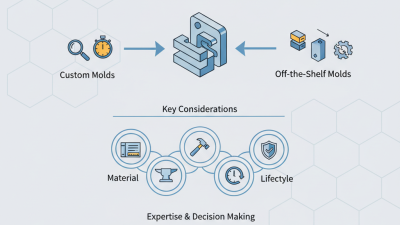
Supply chain effectiveness hinges on selecting the right components for specific applications. This decision requires expertise and careful planning. Miscalculating pressures or using substandard products can result in catastrophic failures. Industry leaders emphasize the need for ongoing training and assessment to navigate these complexities effectively.
High-Pressure Unions Impact on Supply Chain Efficiency
The bar chart illustrates the various benefits that high-pressure unions contribute to supply chain efficiency. Notably, they lead to significant cost reductions and improvements in time efficiency, which are crucial for global sourcing strategies.
Benefits of Collaborating with High-Pressure Unions for Global Sourcing
High-pressure unions play a vital role in global sourcing. Collaborating with these unions offers various benefits that can enhance supply chain efficiency. These unions foster strong relationships between manufacturers and suppliers, leading to improved communication. As projects become more complex, clear communication reduces the risk of misunderstandings. A single miscommunication can lead to costly delays or mistakes.
One notable benefit is access to specialized expertise. High-pressure unions often consist of professionals who can share knowledge and innovations. This can result in better problem-solving strategies and product development. Companies that engage with these unions benefit from tailored solutions that meet their specific needs. However, it’s essential to evaluate the credibility of potential partners. Research their track record and past projects to ensure reliability.
Tip: Regularly assess your collaborations. This helps ensure all parties align with project goals. Another tip is to invest in technology to facilitate communication. This could mean adopting project management software or cloud-based solutions. This investment can pay off by streamlining processes and minimizing errors. While collaborating seems straightforward, it requires continuous effort for lasting success. Take the time to reflect on your partnerships for ongoing improvement.
Challenges and Solutions in Implementing High-Pressure Unions
High-pressure unions are vital for effective global sourcing, but implementing them comes with notable challenges.
Proper training is essential. Workers must understand the complexities of high-pressure systems.
Misunderstandings can lead to catastrophic failures. This emphasizes the need for thorough instruction and ongoing education.
Additionally, compatibility issues often arise. Different countries use various standards and materials for unions.
This inconsistency complicates sourcing strategies.
To overcome these obstacles, companies must invest time in research and collaboration.
Establishing clear communication channels with suppliers is crucial for ensuring quality and safety.
Cost is another concern.
High-pressure unions can be expensive. However, the long-term benefits often outweigh the initial expense.
Companies should analyze their budget while considering the value of reliability and safety.
Continuous reflection on these challenges will lead to more effective strategies and better implementation of high-pressure unions in global sourcing endeavors.
Case Studies: Successful Examples of High-Pressure Union Collaborations
In today’s interconnected world, high-pressure unions play a pivotal role in successful global sourcing. These unions foster collaboration across various sectors, sharing best practices, resources, and expertise. For example, a consortium of suppliers and manufacturers in the automotive industry enhanced their efficiency through collective bargaining. This approach allowed them to negotiate better terms with raw material providers while sharing technological advancements.
Another case involves a partnership between agricultural producers in different countries. By joining forces, they improved sustainability practices and reduced costs. Yet, such collaborations are not without challenges. Miscommunication and cultural differences can hinder progress. It's vital to invest in training and relationship-building to overcome these hurdles. Not all efforts achieve the desired results; some may lead to unanticipated setbacks. Reflecting on these experiences can ensure future initiatives are more robust.
These successful examples of high-pressure unions highlight the importance of collaboration in global sourcing. They show how tapping into shared knowledge can lead to innovative solutions, ultimately benefiting all parties involved. While striving for efficiency and profitability, the need for flexibility and adaptability is clear. Balancing collaboration with individual company goals can lead to a sustainable and successful global sourcing strategy.


 0086-15925850312

 CONTACT NUMBER