0086-15925850312

In the fast-evolving manufacturing world, selecting the right die equipment is crucial. With numerous options available, buyers face challenges in making informed decisions. This article discusses the top ten die equipment solutions tailored for global buyers.
These solutions cater to diverse manufacturing needs, from automotive to aerospace industries. Each type of die equipment plays a vital role in enhancing productivity and efficiency. However, not all solutions are perfect. Prospective buyers must consider their specific requirements, budget constraints, and technological advancements when choosing die equipment.
As we explore these options, it's essential to recognize the importance of reliability and expertise. The market is flooded with choices, but understanding the best solutions requires careful evaluation. While some equipment stands out, what works for one buyer may not suit another’s needs. This guide aims to provide clarity in this complex landscape.
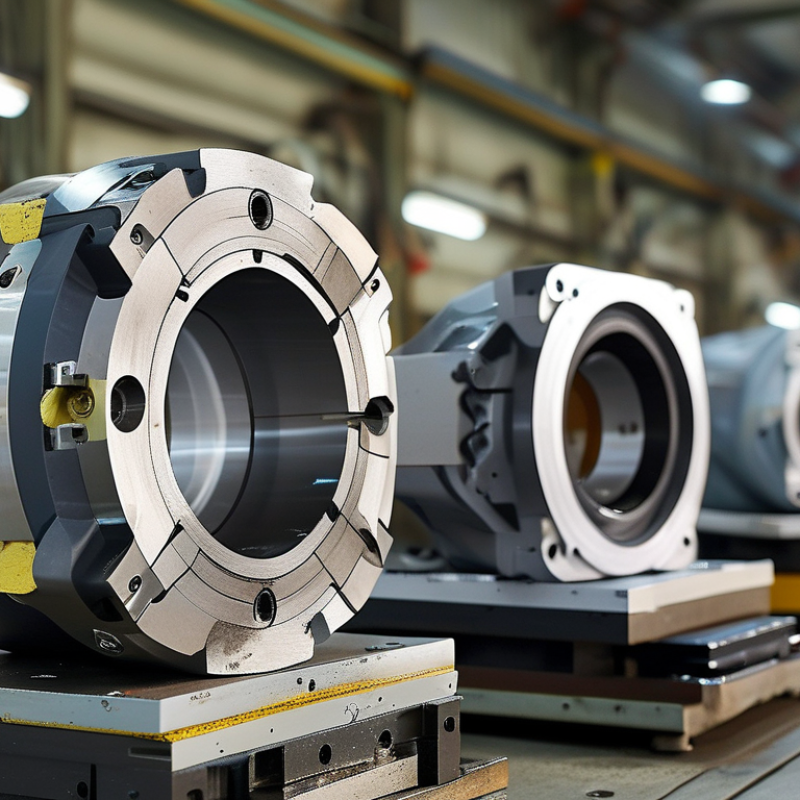
Die equipment is essential in manufacturing. It involves tools that shape, cut, and form materials. Industries like automotive, aerospace, and electronics rely on these tools for precision engineering. Understanding the components enhances decision-making for global buyers.
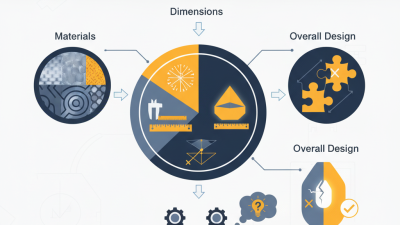
When selecting die equipment, consider the materials used. Different metals and plastics require specific die types. Each has unique properties that affect the production process. For instance, harder metals demand tougher dies. Process efficiency is vital. Inefficient equipment can lead to waste and increased costs.
Buyers should also evaluate supplier expertise. Experienced suppliers understand industry standards and offer technical support. Trustworthy suppliers provide equipment that meets regulatory requirements. However, be cautious of overpromising solutions. Not all products deliver the expected results. Innovation is necessary, yet it can be unpredictable in performance. Conducting thorough research helps avoid potential disappointments in the selection process.

This chart illustrates the market demand for various types of die equipment, showcasing the units required by global buyers. The data reflects current trends and interests in die equipment solutions across industries.
When selecting die equipment, buyers should assess multiple key factors. The efficiency of the machinery is paramount. Effective equipment minimizes operational delays and boosts productivity. Buyers need to evaluate the machine’s speed and accuracy in producing dies. The speed affects overall output, while accuracy ensures high-quality end products.
Durability is another critical consideration. Reliable die equipment should withstand heavy usage and harsh conditions. It should not break down easily, as this can disrupt production schedules. Maintenance practices play a significant role here. Buyers should seek equipment that is easy to maintain, with accessible parts and straightforward repair processes.
Cost-effectiveness is essential too. A higher price does not always equate to better quality. Analyzing the long-term costs, including maintenance and operational expenses, is crucial. Yet, some buyers might overlook these factors, focusing solely on the initial purchase price. It’s a common pitfall to underestimate the importance of comprehensive cost analysis in decision-making.
Die equipment plays a crucial role across various industries. From automotive to aerospace, each sector has unique demands. For instance, in automotive manufacturing, precision die casting is essential for producing intricate parts efficiently. The need for speed and accuracy drives the choice of equipment here.
In the aerospace sector, durability is the focus. Specialized dies that can withstand high temperatures are in great demand. Manufacturers often face challenges in balancing quality and production speed. Refining die design can sometimes lead to unexpected delays. This highlights the need for a deep understanding of materials and engineering processes.
For industries like consumer electronics, innovative die solutions enable the production of complex, lightweight components. However, the fast-paced changes in technology mean constant re-evaluation of die capabilities. Companies must remain agile, adapting their equipment quickly to meet new requirements. Engaging with experts in die technology can significantly enhance this process.
The die equipment market is diverse and competitive. A recent industry report indicated that the global die casting market is projected to reach $108.98 billion by 2027, growing at a CAGR of 6.76% from 2020 to 2027. This growth underscores the importance of evaluating global suppliers critically. Factors such as technology, production capacity, and material quality are key indicators of a supplier's potential.
Additionally, geographic trends reveal significant regional differences. For instance, Europe leads in advanced technology, while Asia boasts lower production costs. However, relying solely on cost efficiency can be misleading. Quality often varies, leading to potential complications in production. A supplier with lower prices may compromise on material quality, negatively impacting overall efficiency.
Moreover, sustainability is becoming a crucial factor in supplier assessments. As more companies prioritize environmentally friendly practices, suppliers must adapt. In 2021, 62% of businesses reported an intention to invest in sustainable die equipment solutions. Ignoring this shift could result in a missed opportunity for long-term growth. Therefore, evaluating suppliers requires not just pricing but also an understanding of their commitment to innovation and sustainability.
The future of die equipment technology is evolving rapidly, driven by advancements in automation and materials science. Recent industry reports indicate that the global die equipment market is expected to grow at a CAGR of 5.3% over the next five years, reaching approximately $45 billion by 2028. This growth is largely fueled by the demand for precision engineering in sectors like automotive and aerospace.
Emerging technologies such as artificial intelligence and IoT are transforming how die equipment operates. For instance, predictive maintenance is now a reality. Machines can analyze data metrics and alert operators before malfunctions occur. This capability reduces downtime and improves productivity. However, the integration of smart technologies poses challenges. Not all manufacturers have the infrastructure to support these innovations, creating a gap between leaders and laggards in the industry.
Additionally, metal 3D printing is gaining traction. It offers new possibilities for die manufacturing with reduced waste and complex geometries. Despite its potential, some industry experts warn of the steep learning curve associated with new materials and processes. Adapting to these changes will require ongoing training and investment. While the future looks promising, not all companies may successfully navigate this transformation.
| Rank | Equipment Type | Material Compatibility | Key Features | Future Trends |
|---|---|---|---|---|
| 1 | Hydraulic Press | Aluminum, Steel | High precision, Energy efficiency | Automation capabilities, IoT integration |
| 2 | Mechanical Press | Copper, Brass | High speed, Versatile | Smart sensors, Predictive maintenance |
| 3 | Die Casting Machine | Zinc, Magnesium | High durability, Complex geometries | Eco-friendly materials, Advanced cooling systems |
| 4 | Stamping Machine | Sheet metals | Cost-effective, High volume | Integration with CAD/CAM technologies |
| 5 | Laser Cutting Machine | Various metals | Precision cutting, No tool wear | Increased automation, Time-efficient |
| 6 | Water Jet Cutting Machine | Composite materials | No heat affected zone, Versatile | Lower environmental impact, Enhanced cutting speeds |
| 7 | Bending Machine | Sheet metals | High flexibility, Easy adjustments | Adaptive control systems, Remote operation |
| 8 | Robotic Arm for Die Handling | Various | Increased safety, Reduced manual labor | AI-driven optimization, Collaborative robots |
| 9 | 3D Metal Printer | Titanium, Steel | Complex designs, Material savings | Mass customization, Faster prototyping |
| 10 | CNC Machining Center | Metals, Plastics | High accuracy, Multifunctional | Internet of Things (IoT), Real-time monitoring |