Top High Pressure Unions Guide for Industrial Applications and Benefits?
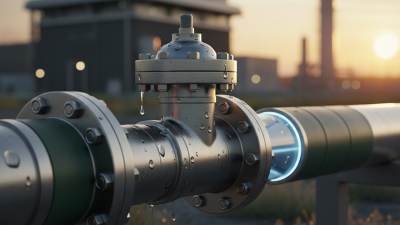
High-Pressure Unions play a crucial role in various industrial applications, ensuring safety and efficiency. According to industry expert John Smith, "Understanding High-Pressure Unions is essential for optimal operation in demanding environments." His words resonate with many engineers who rely on these components daily.
In high-pressure systems, unions connect pipes and fittings, allowing for quick disassembly and maintenance. They come in various materials, including stainless steel and carbon steel, to withstand extreme conditions. Each choice has pros and cons that require careful consideration. One miscalculation can lead to leaks or failures, which are costly and dangerous.
The demand for reliable High-Pressure Unions grows, reflecting the industry's evolving needs. As processes become more complex, the focus on quality and performance increases. Engineers must stay updated on advancements in union technology. A commitment to best practices ensures that businesses avoid potential pitfalls. Even with the latest innovations, there is always room for improvement in design and application.
Understanding High Pressure Unions and Their Importance in Industry
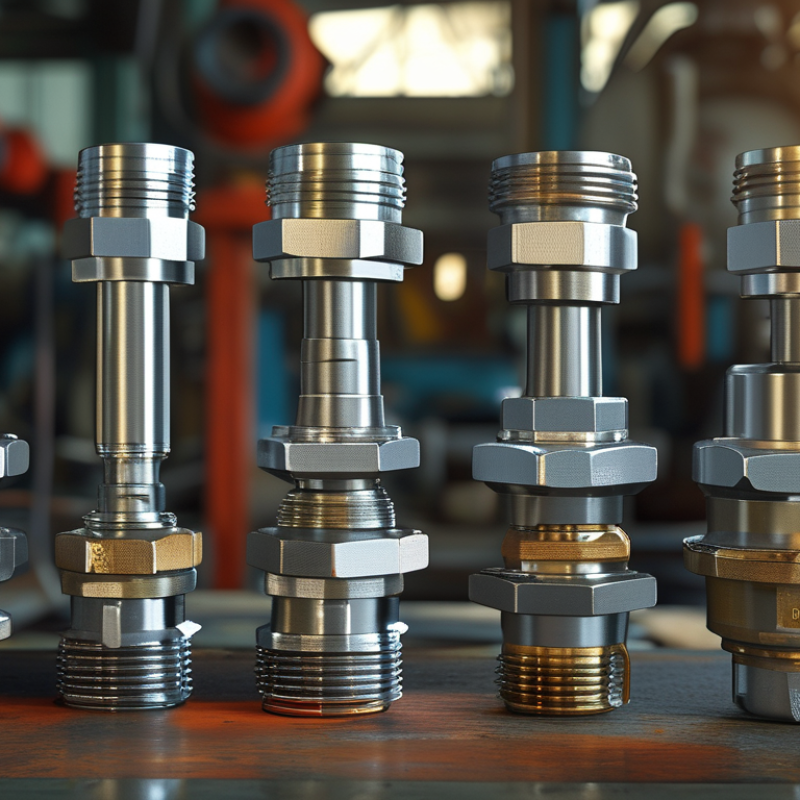
High-pressure unions play a crucial role in various industrial applications. They connect pipes, tubes, and other components to ensure the safe transport of fluids and gases. According to the International Journal of Pressure Vessels, more than 30% of industrial failures are attributed to improper connections. This highlights the importance of high-quality unions in maintaining system integrity.
Reliable unions prevent leaks and reduce the risk of accidents. In the oil and gas industry, the cost of leaks can escalate into millions. A report from the American Society of Mechanical Engineers states that effective sealing techniques can save industries up to 25% in maintenance costs. Proper installation and material selection further enhance performance in high-pressure environments.
Tip: Regularly inspect unions for wear and corrosion. Replace any damaged components immediately to reduce risks.
Choosing the right materials, such as stainless steel or specialty alloys, is vital. These materials resist corrosion and sustain high pressures. A survey published by the Society of Automotive Engineers revealed that 40% of machinery failures relate to weak joining methods. Investing in robust high-pressure unions not only supports efficiency but also ensures safety across operations.
Tip: Prioritize training for staff on handling high-pressure systems. Understanding the potential hazards can prevent costly mistakes.
High Pressure Unions in Industrial Applications
Types of High Pressure Unions Used in Various Industrial Applications
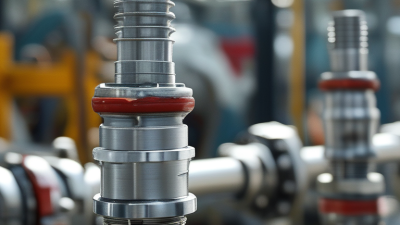
High-pressure unions are essential in various industrial applications. These fittings are crucial for connecting pipes under high pressure. Understanding the types can greatly enhance efficiency and safety.
Common types include welded unions, threaded unions, and flanged unions.
Welded unions offer strong, permanent joints but require specialized skills. Threaded unions are easier to install and remove. However, they may leak if not tightened properly. Flanged unions allow easy access for maintenance but can be bulky.
When selecting high-pressure unions, consider factors like pressure rating and compatibility. Each type has its advantages and drawbacks. Thus, careful evaluation is necessary to prevent costly failures. A reliable union can make a significant difference in performance and safety, impacting overall system integrity.
Key Benefits of Utilizing High Pressure Unions in Systems Design
High pressure unions play a crucial role in industrial systems. Their design ensures secure connections in high-stress environments. These components can withstand intense pressure, making them essential for safety and efficiency. Using reliable unions prevents leaks and potential catastrophic failures, especially in processes involving gas or liquid.
One key benefit of high pressure unions is their versatility. They can be used in various applications, from oil and gas to chemical processing. This adaptability allows engineers to craft systems tailored to specific needs. Additionally, high pressure unions save time on maintenance. Their durability means fewer replacements and reduced downtime.
Tips: Choose high quality materials for maximum performance. Regularly inspect unions for wear and tear. It's vital to recognize that over time, even durable components might need attention. Keep in mind, a small issue can escalate quickly. Always consider the long-term benefits of investing in robust solutions. In the long run, this practice supports system integrity and operational efficiency.
Critical Factors to Consider When Selecting High Pressure Unions
Choosing high pressure unions for industrial applications requires careful consideration. Key factors include material compatibility, pressure ratings, and temperature limits. The right material prevents corrosion and ensures durability in harsh conditions. Stainless steel is popular due to its strength and corrosion resistance, but other materials may be suitable depending on specific conditions.
Another aspect is the pressure rating of the union. Selecting a union that can handle the required pressure is essential for safety and performance. Also, consider connection types. Flanged or threaded connections each offer unique advantages. An inappropriate choice may lead to leaks or failures.
Installation and maintenance practices also play a vital role. Poor installation may compromise the union's integrity. Regular inspections help identify wear and prevent unexpected disruptions. Neglecting these practices can lead to costly repairs and downtime. Always consult with experts when unsure. Engaging with knowledgeable engineers can offer insights into the best options for specific needs. Balancing cost and quality is crucial. Each project presents unique challenges that require thoughtful evaluation.
Maintenance and Safety Practices for High Pressure Union Installations
High-pressure unions are critical in various industrial applications. Ensuring proper maintenance is essential for optimal performance. Regular inspections can prevent leaks and failures. According to the American Society of Mechanical Engineers (ASME), about 30% of industrial accidents are linked to equipment failure. Proper practices can help reduce these statistics significantly.
One key practice is routine examination. Operators should check for wear and tear. Signs like corrosion or unusual sounds might indicate issues. The National Institute for Occupational Safety and Health (NIOSH) reports that 29% of workplace injuries could be avoided with better equipment maintenance strategies. Documenting maintenance activities is also crucial. It creates a reliability model for high-pressure union installations.
Safety training is another vital area. All personnel should understand the specific risks. Engaging in regular workshops can empower them to act decisively during emergencies. A study by the Occupational Safety and Health Administration (OSHA) found that effective training can reduce workplace incidents by up to 50%. Attention to detail in these practices can not only enhance safety but also prolong equipment life, benefiting the bottom line significantly.


 0086-15925850312

 CONTACT NUMBER